▸ Category · AI
Notes on AI.
24 posts in this category.
-
 AI
AITrust is not a QA strategy: test AI code too
AI code is 95% syntactically clean and fails security tests 45% of the time. Half of agentic PRs ship no tests. The verification pipeline I run instead.
Read post →
-
 AI
AIAI writes the code. Your job is the gates.
AI made code cheap. The engineer's job is the gate stack bad code cannot pass: tests, mutation testing, PHPStan, required CI checks, monitoring and rollback.
Read post →
-
 AI
AIChatbots answered questions. Bots now do the work.
The first AI wave gave us chatbots that answer. The new wave gives us bots that do the work while we're away. What changes, what still needs a person, and who should get ready.
Read post →
-
 AI
AIGrok Bot vs OpenAI dots: a team of bots or one agent
OpenAI dots and Grok Bot both give an AI agent its own cloud computer. Here is how they differ on teams, control, routines and access, and which fits your work.
Read post →
-
 AI
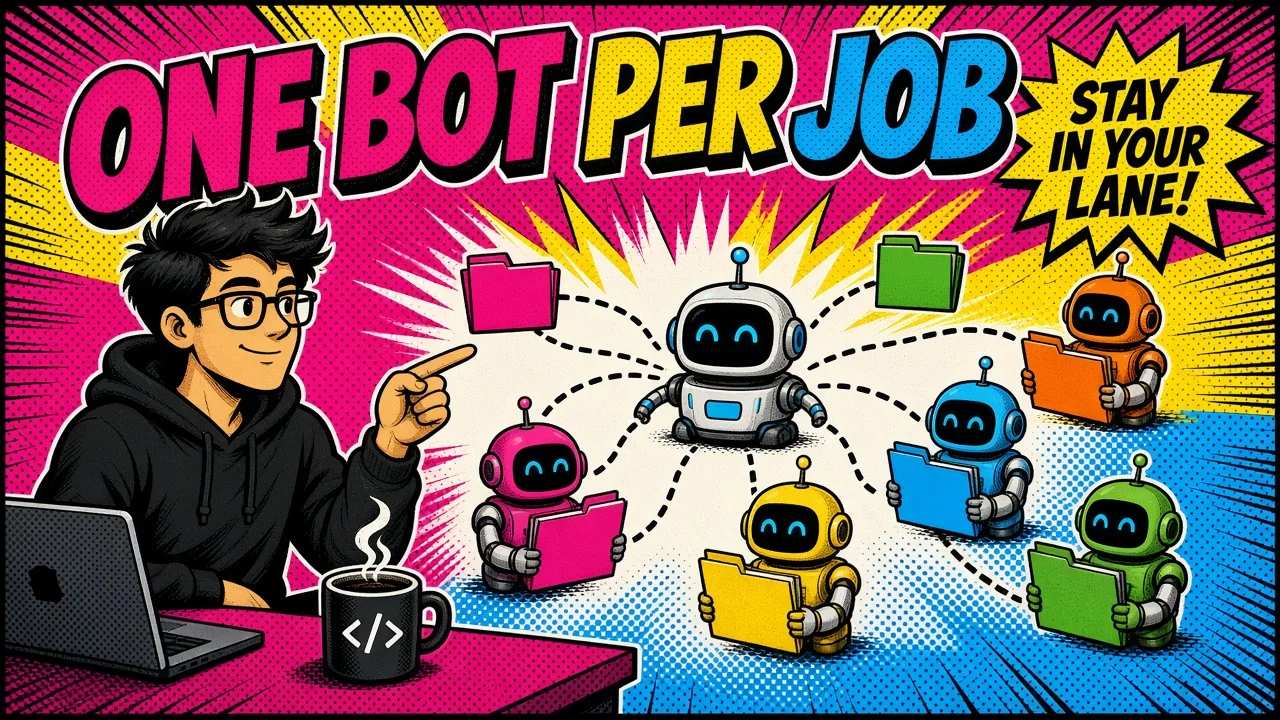
AIRun your business with one AI assistant per area
A simple setup for running any business with AI assistants: one hub, one bot per area of work, strict scopes, drafts before sends, and routines that stay quiet.
Read post →
-
 AI
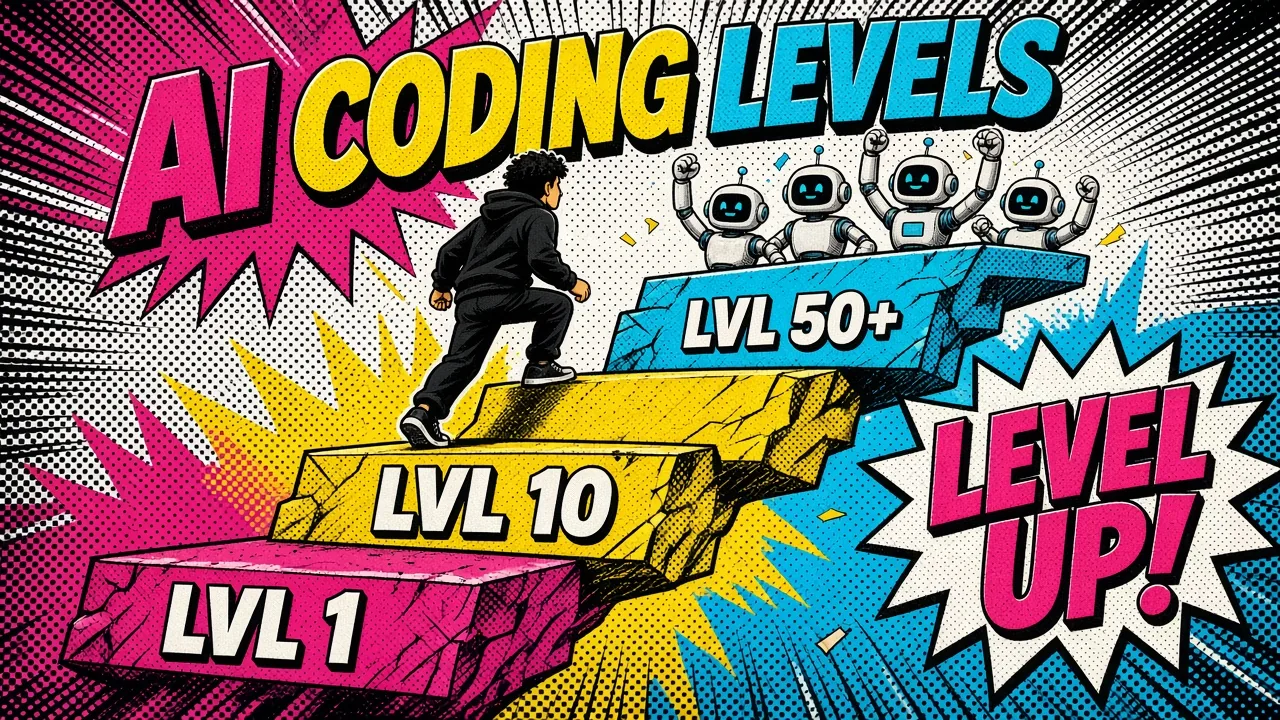
AIAI coding is like an addiction (in the best way)
A level-by-level map of the AI coding workflow: gateway prompts, codebase RAG, then multi-agent orchestration over MCP, and why manual coding now drags.
Read post →
-
 AI
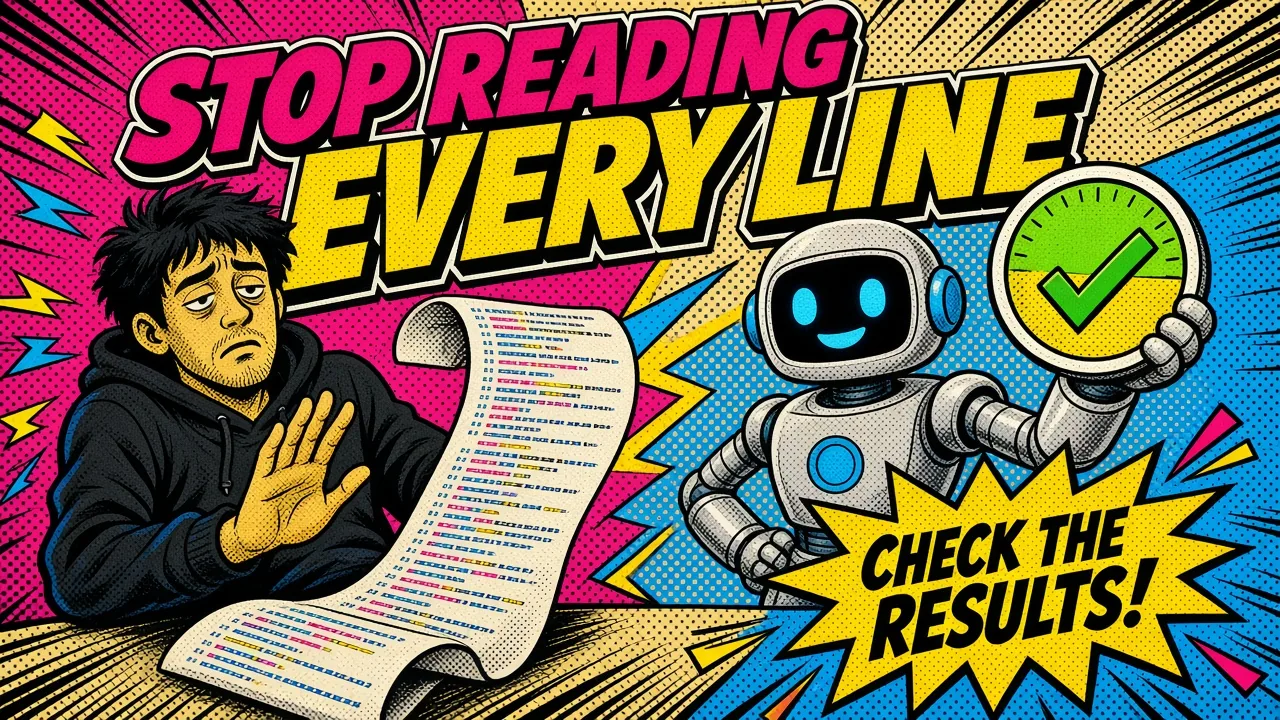
AIStop reading every line of AI-generated code
Line-by-line review breaks on agent-sized diffs. How I moved to specs, property tests, and a multi-agent review pipeline, and the 3% I still read.
Read post →
-
 AI
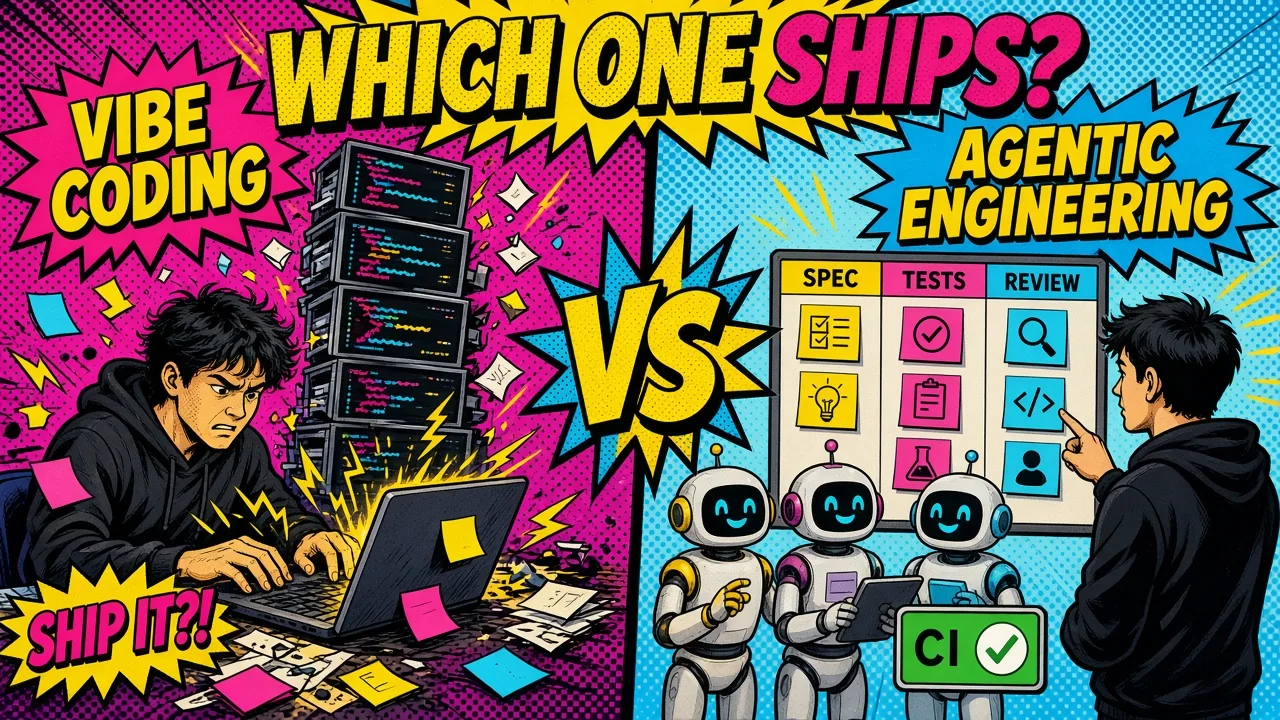
AIVibe coding vs agentic engineering: which ships?
Vibe coding is for prototypes, agentic engineering is for production. The daily split I use to ship AI-written code without hidden technical debt.
Read post →
-
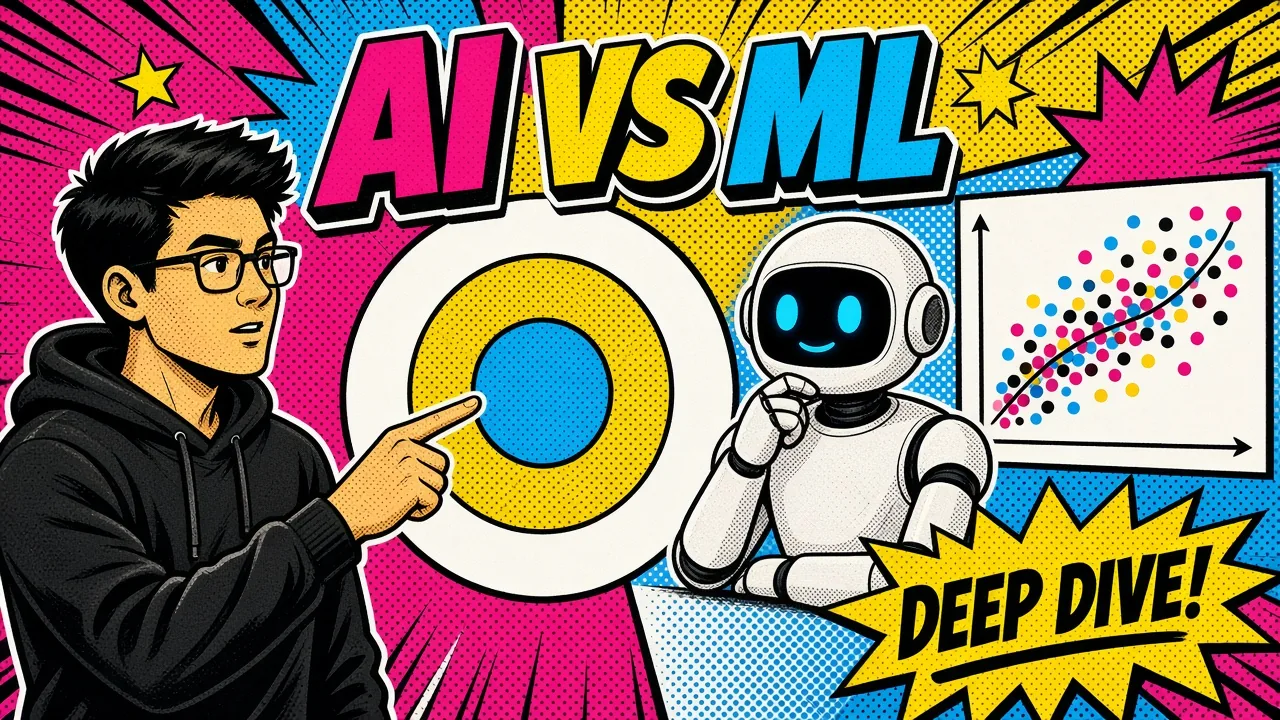 AI
AIAI vs machine learning: an engineering deep dive
AI is the umbrella, machine learning is the engine. See how the distinction shapes your RAG pipelines, agentic systems, and Laravel or Shopify architecture.
Read post →
-
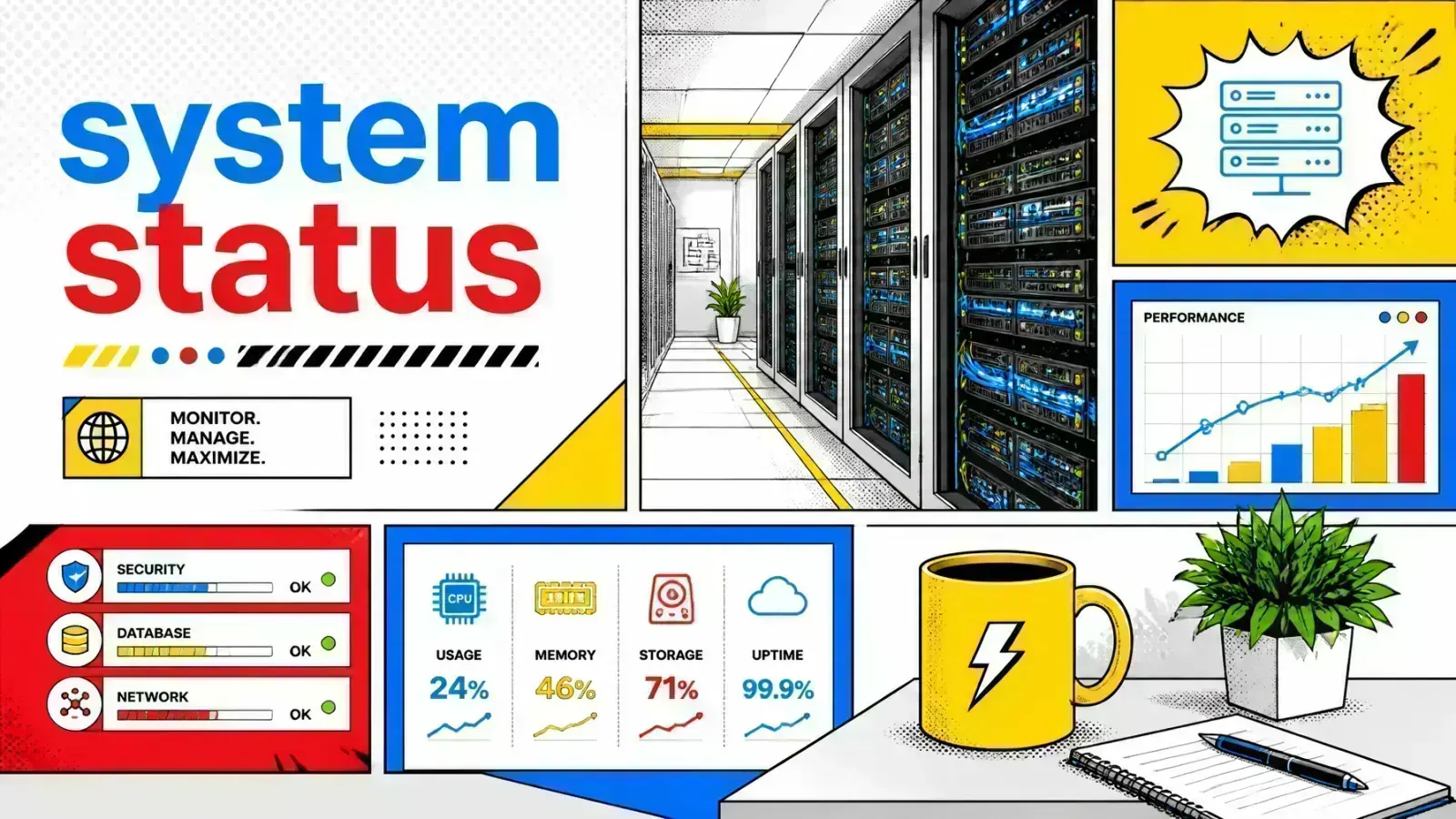 AI
AITraining vs inference: scaling AI systems
How training and inference differ in compute, cost, and hardware, and how to architect each phase so your AI app stays fast and affordable at scale.
Read post →
-
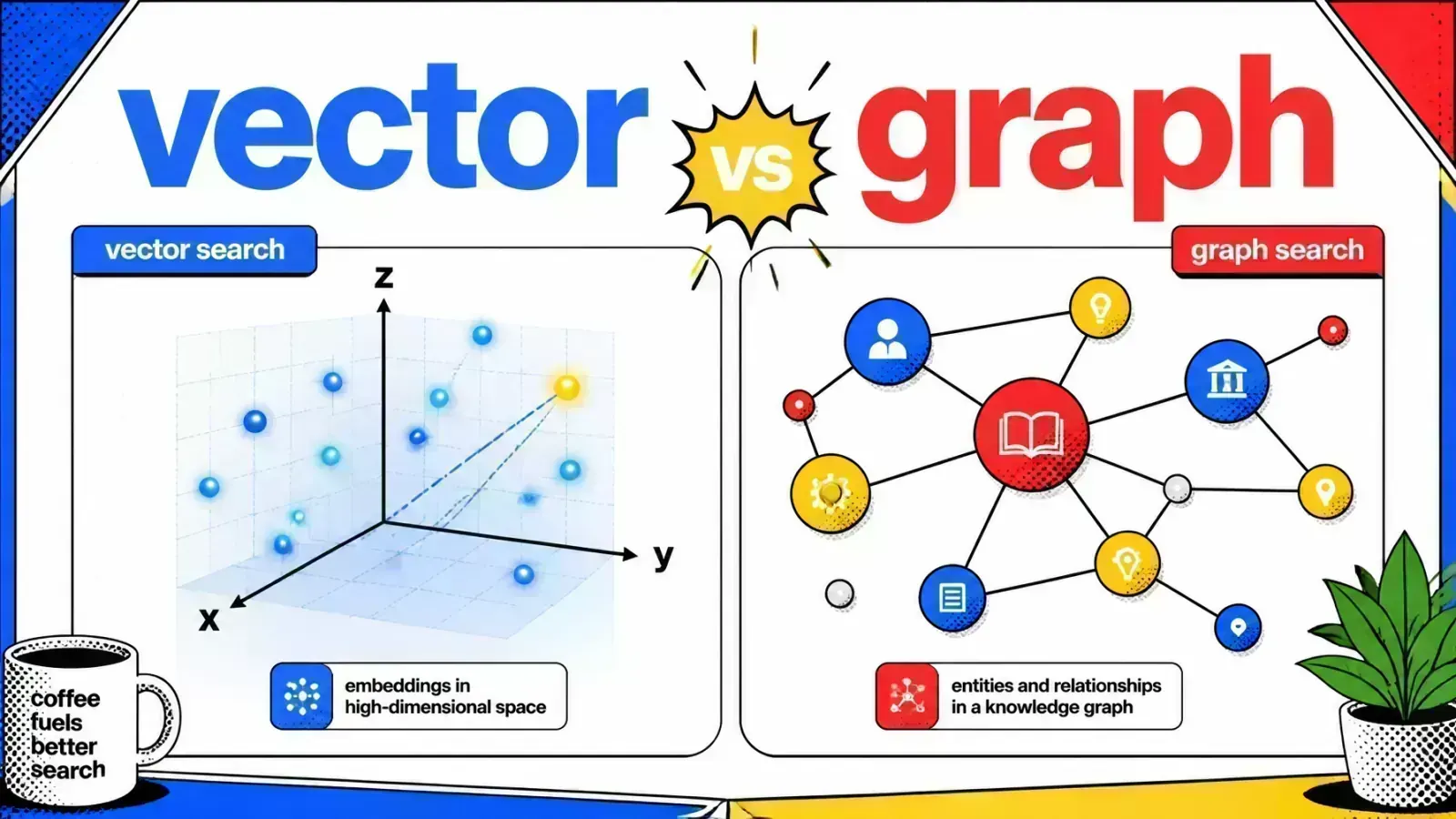 AI
AIVector search vs graph search for RAG
Compare vector search and graph search for RAG. When to use embeddings via pgvector vs relationship-based knowledge graphs, and why GraphRAG often wins.
Read post →
-
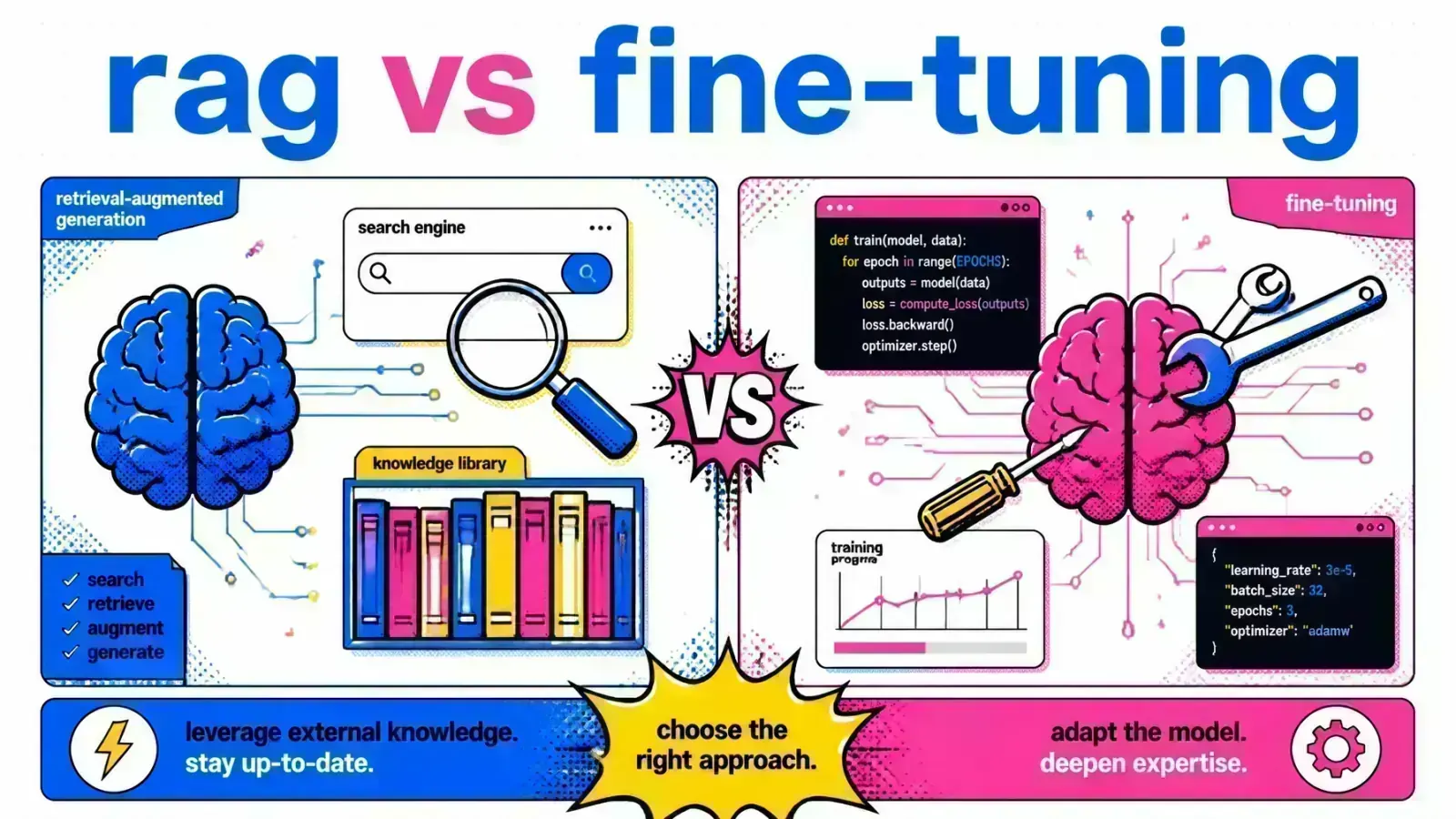 AI
AIRAG vs fine-tuning: choosing your AI architecture
RAG vs fine-tuning for production LLMs: knowledge vs behavior, latency, cost, privacy, and the hybrid approach. How to pick the right AI architecture.
Read post →
-
 AI
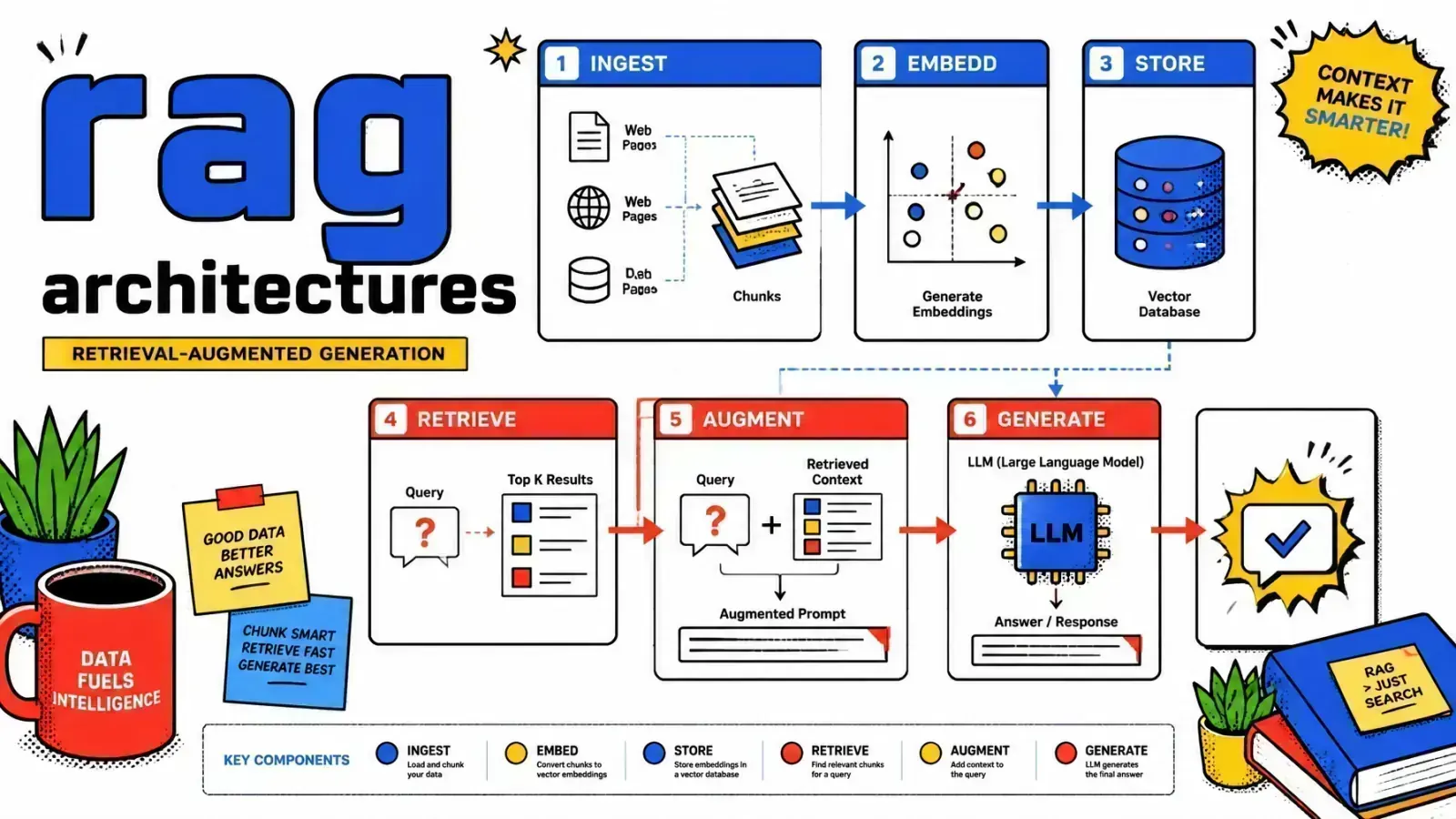
AIRAG architectures: traditional, agentic, corrective
Compare traditional, agentic, and corrective RAG architectures, with the latency, cost, and accuracy trade-offs that decide which fits your AI app.
Read post →
-
 AI
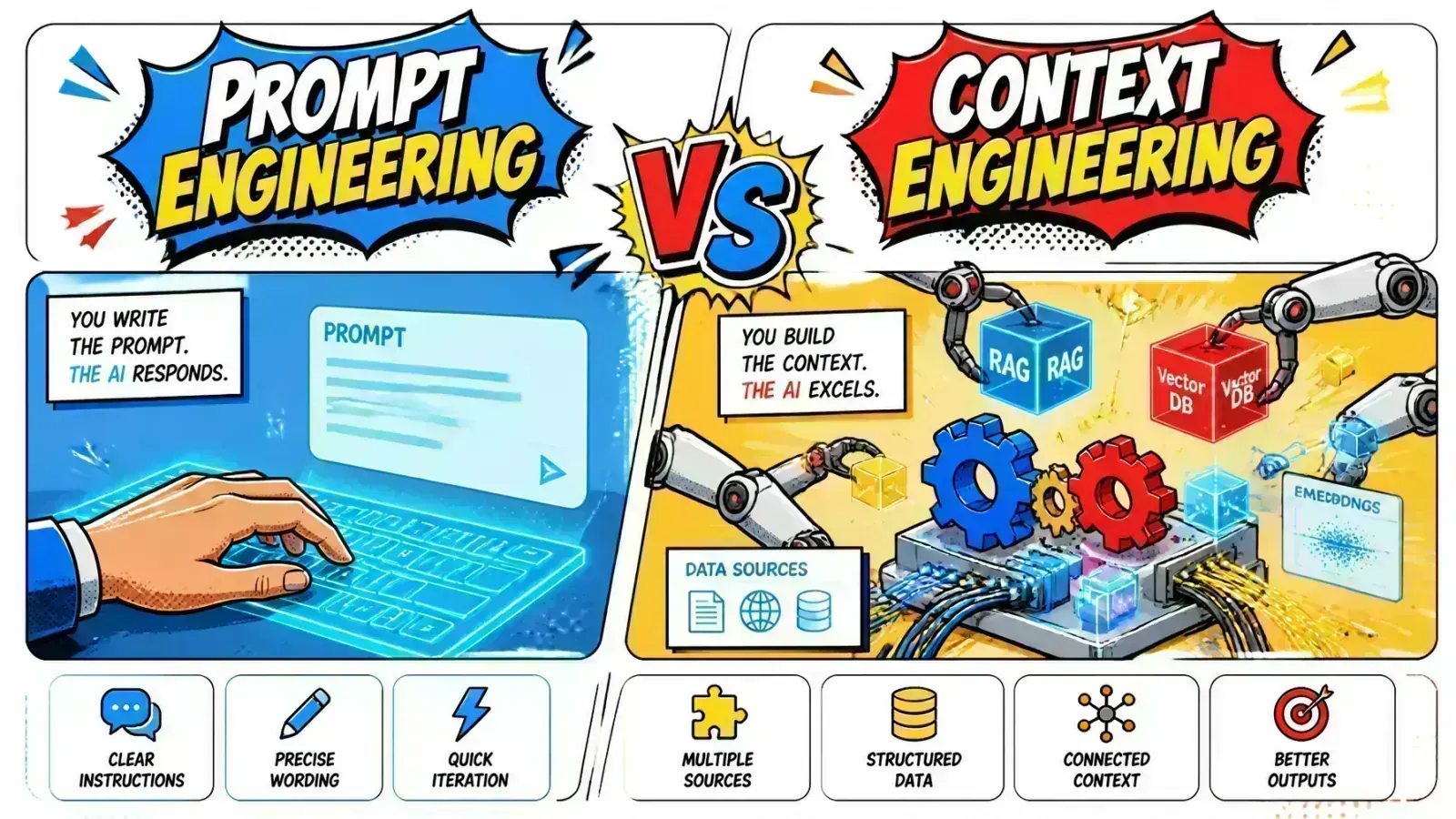
AIPrompt engineering vs context engineering
The shift from instruction design to data infrastructure: how context engineering uses RAG, MCP and memory to build accurate AI systems.
Read post →
-
 AI
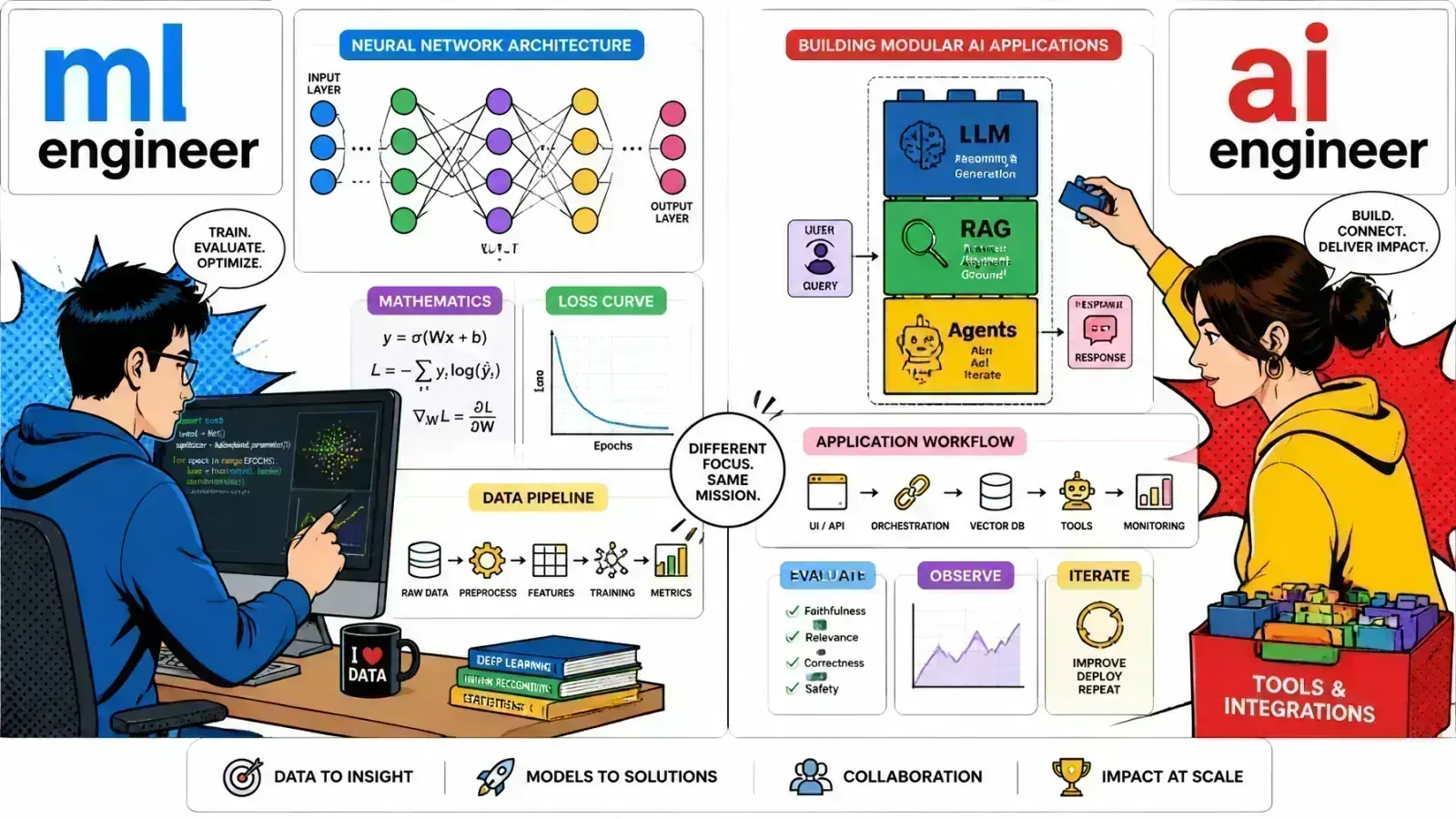
AIML engineer vs AI engineer
ML engineer vs AI engineer: who trains the model, who orchestrates the system, their diverging toolsets, and which role your AI roadmap actually needs.
Read post →
-
 AI
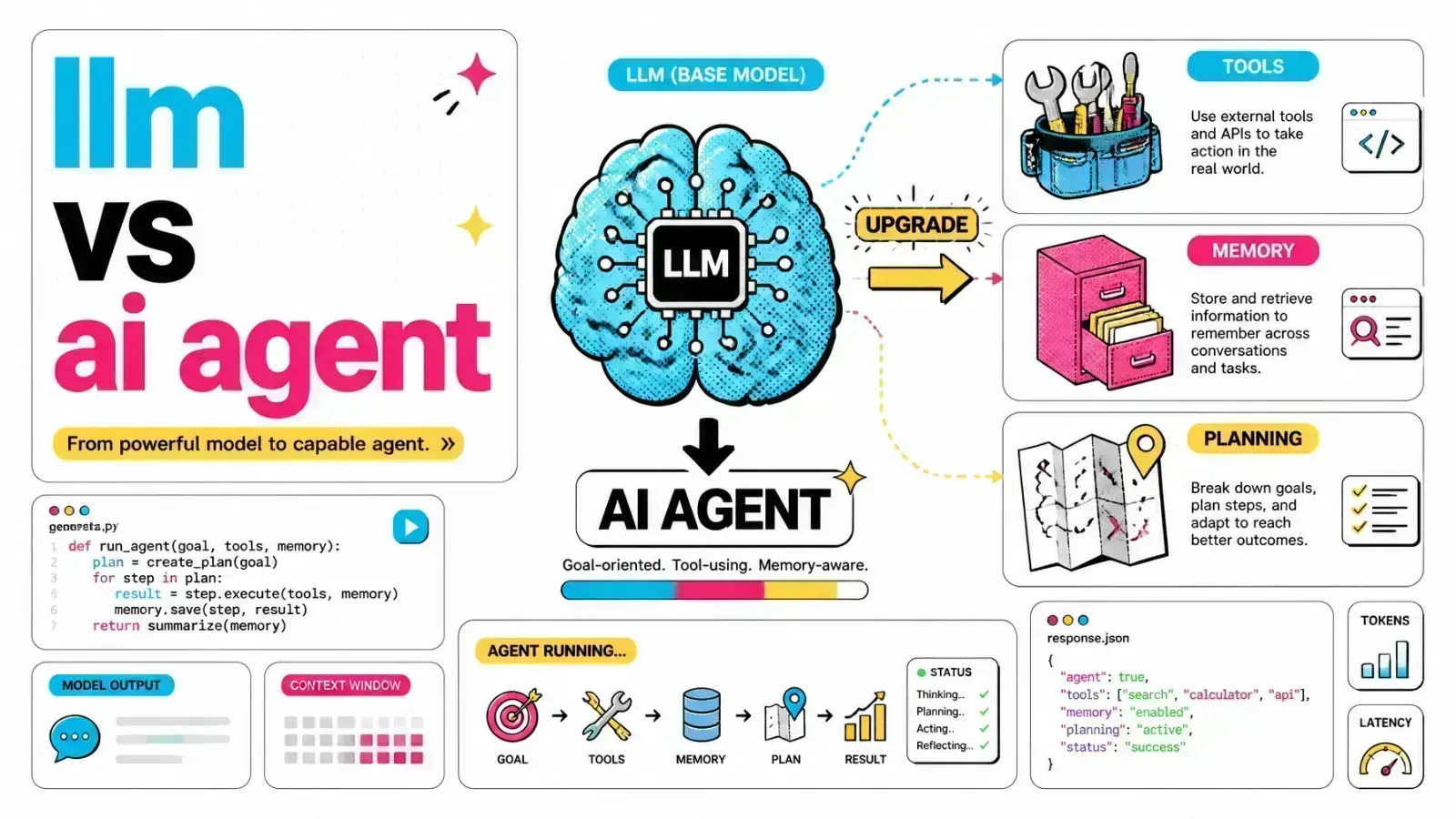
AILLM vs AI agent: from prompts to action
The architectural shift from LLMs to autonomous AI agents. How memory, tool-use, and planning turn a stateless model into a system that takes action.
Read post →
-
 AI
AIContext window vs memory: building AI that remembers
Stop context-stuffing your LLM prompts. The difference between the context window and persistent memory, and how RAG + pgvector scale AI agents affordably.
Read post →
-
 AI
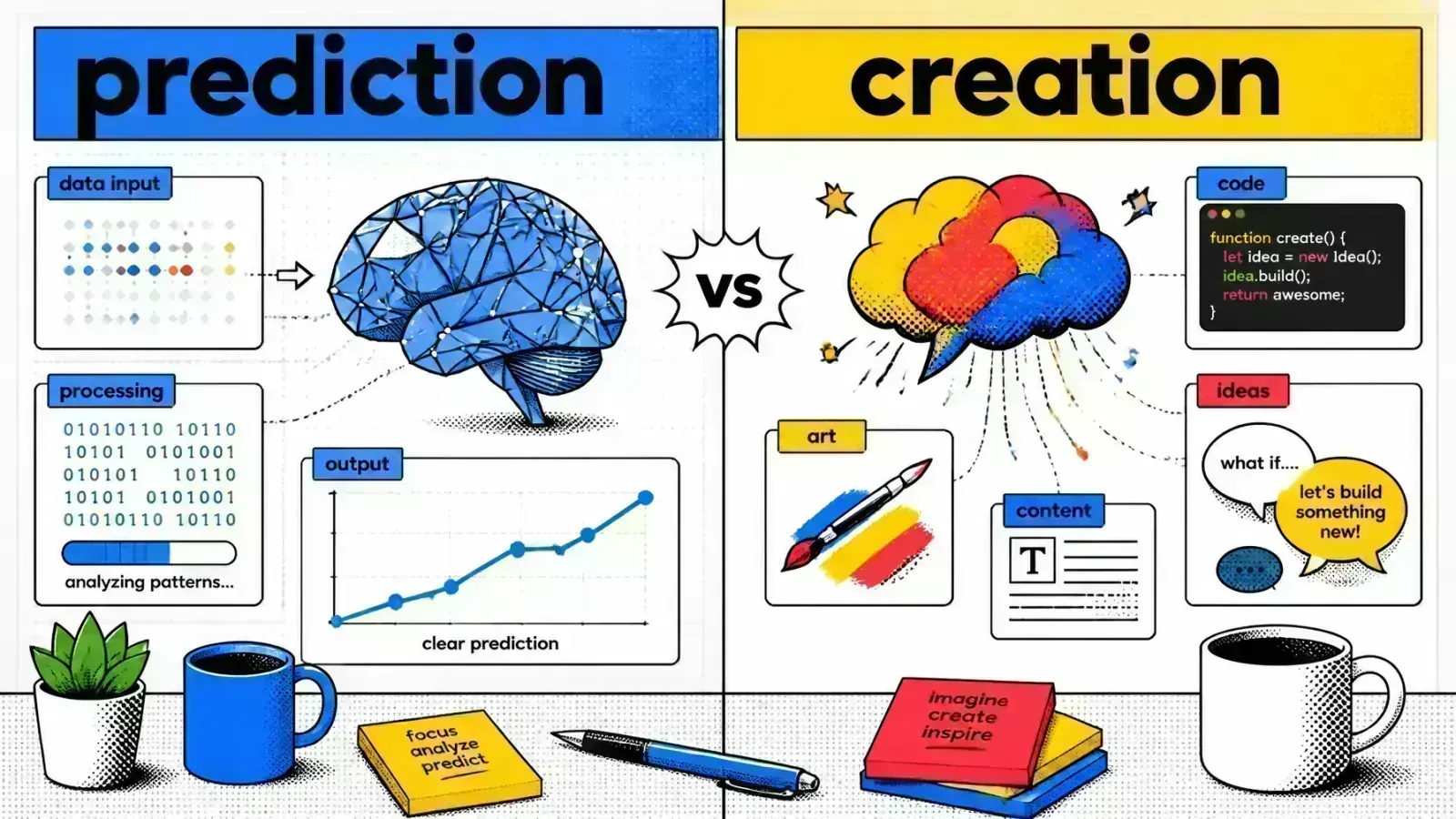
AIMachine learning vs generative AI
Machine Learning predicts; Generative AI creates. The discriminative-vs-generative split decides your architecture, infra, and monthly cloud bill.
Read post →
-
 AI
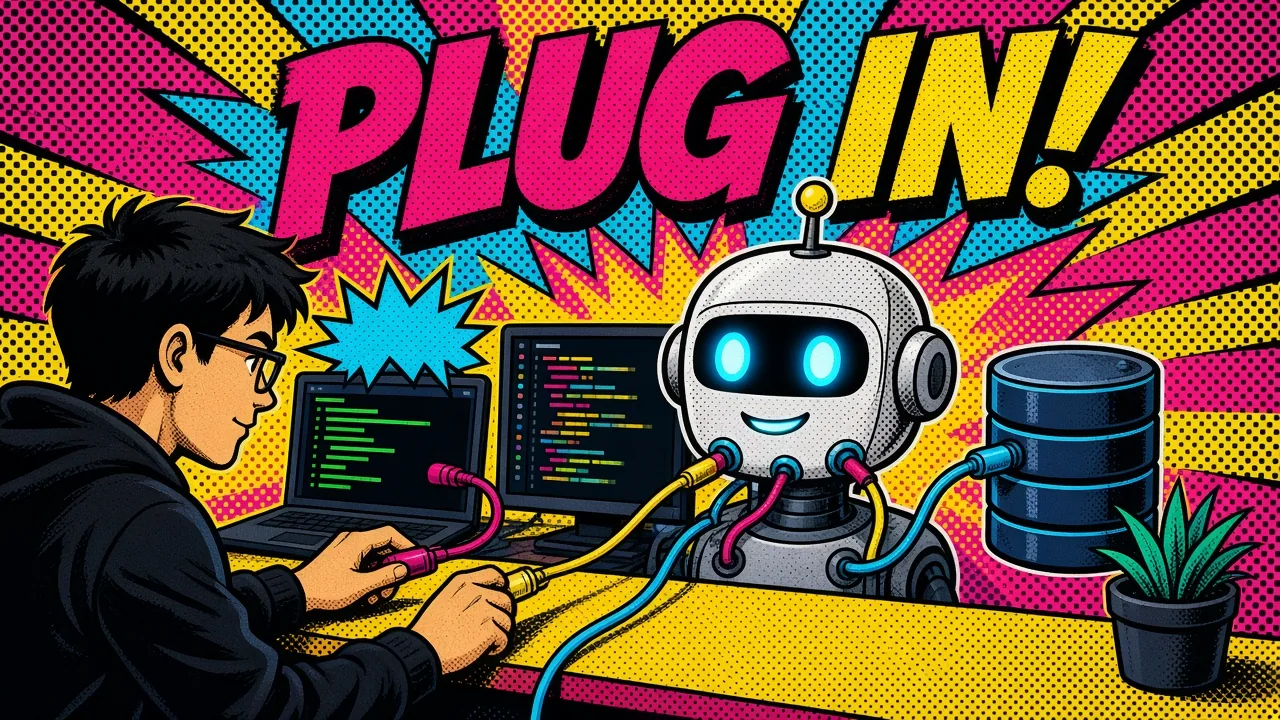
AIClaude MCP: connecting my dev tools to LLMs
The Model Context Protocol is a USB-C port for LLMs: one MCP server, any host, no MxN integration tax. The architecture, the servers I run, and why it is safe.
Read post →
-
 AI
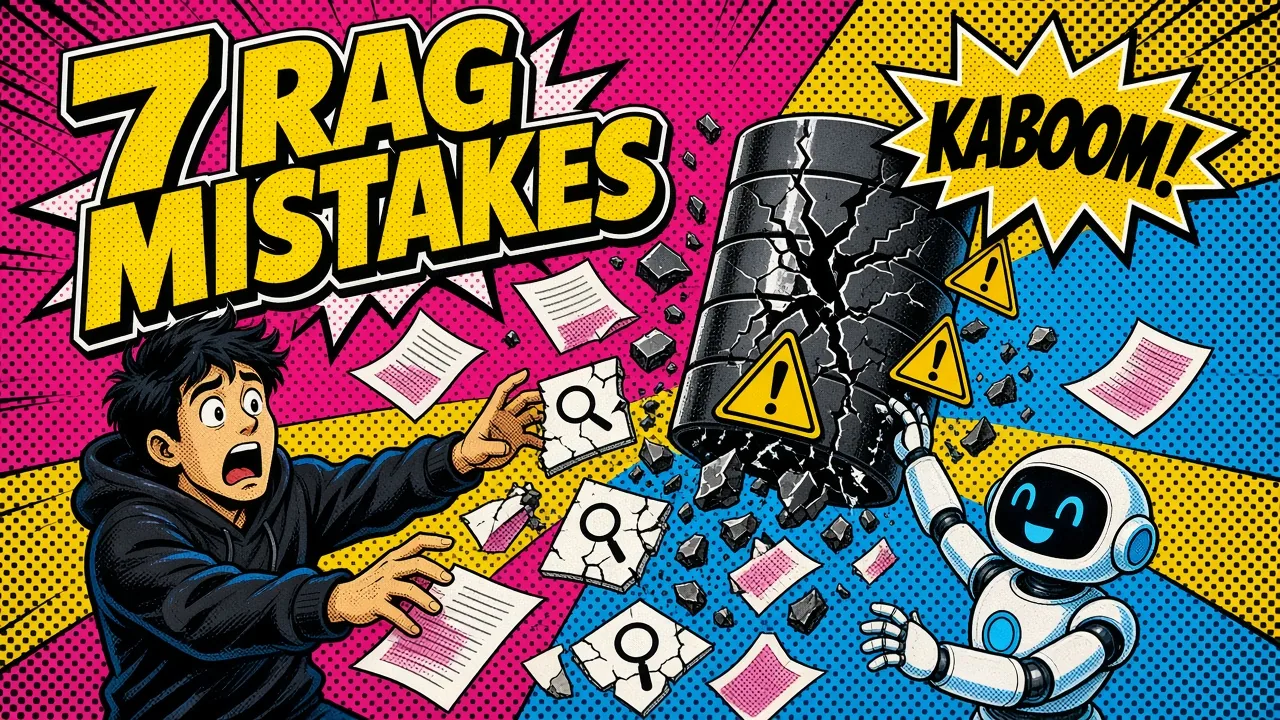
AI7 mistakes wrecking your production RAG stack
Naive chunking, no reranker, embedding drift, latency blowups: the structural mistakes that wreck a production RAG stack, and the fixes that ship.
Read post →
-
 AI
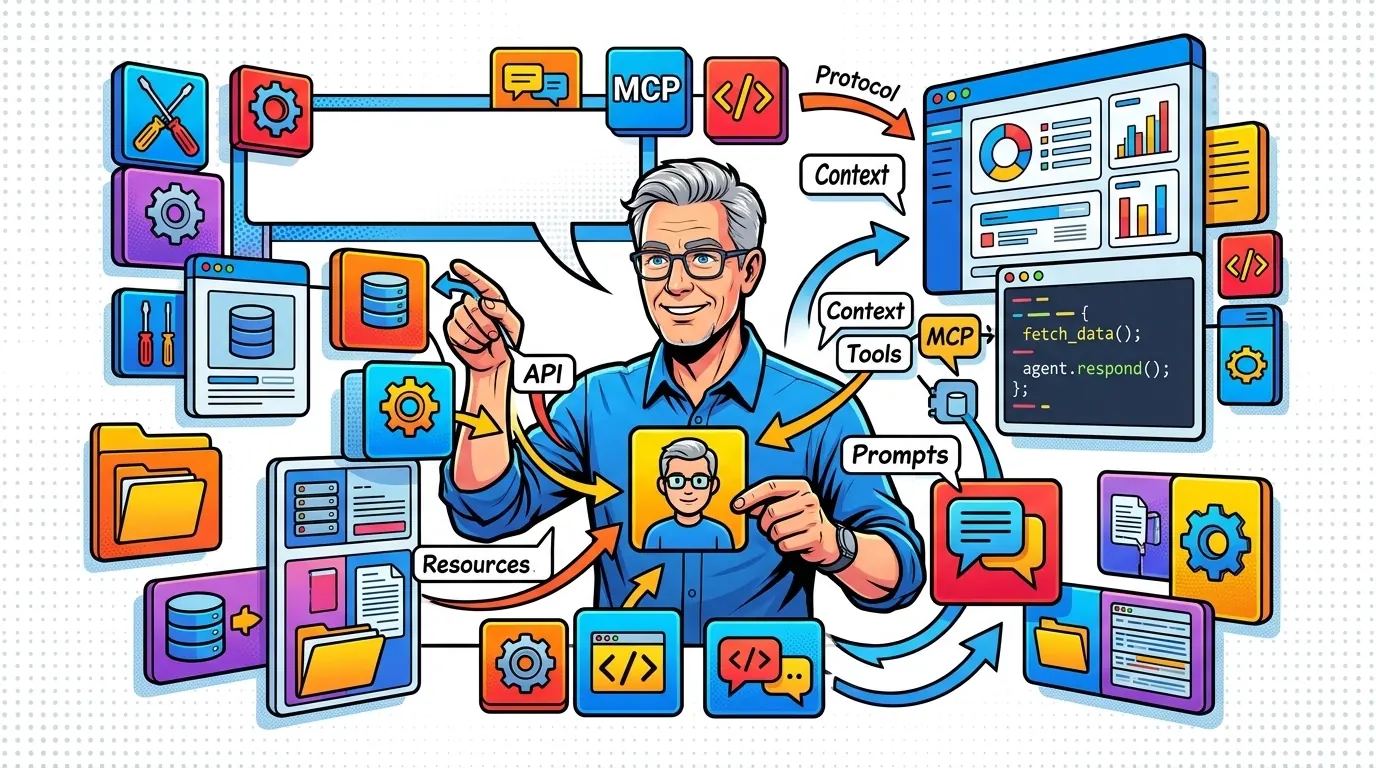
AIMCP tool-use: building context-aware agents
Build context-aware agents with MCP. How tools, resources, and prompts let one server talk to any client and retire brittle one-off integrations for good.
Read post →
-
 AI
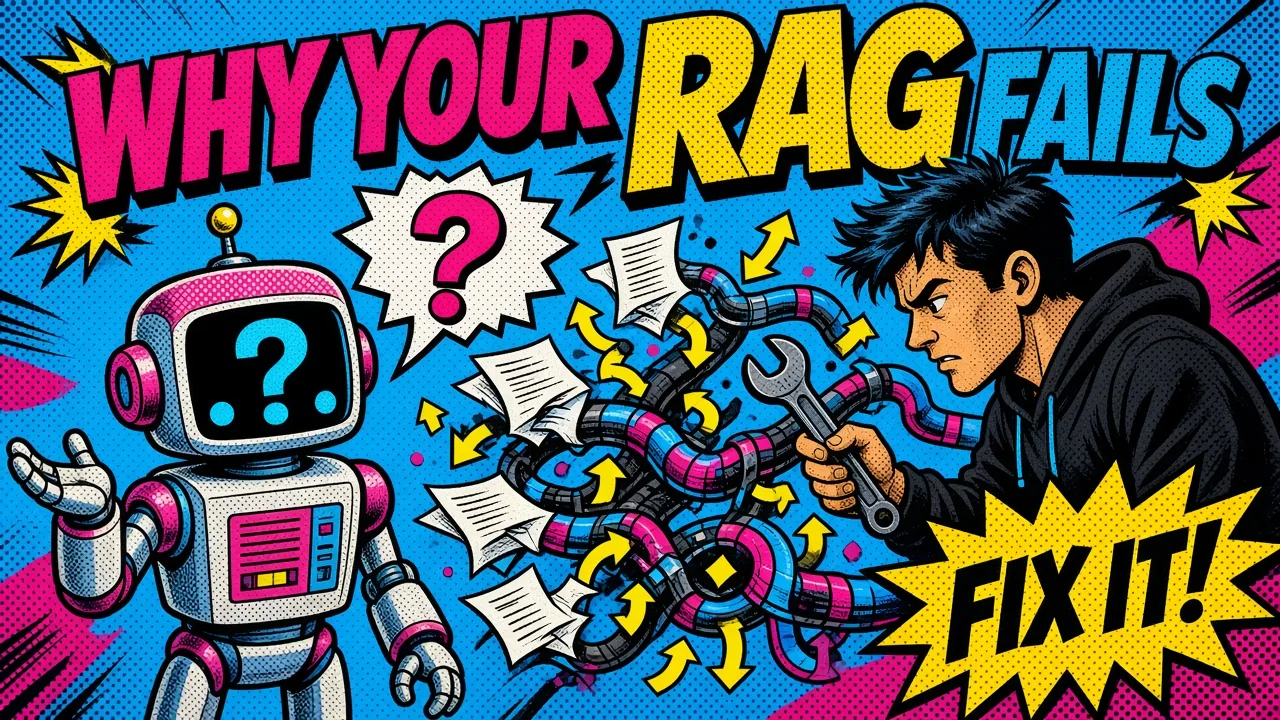
AIWhy your RAG implementation is failing in production
Vector-only retrieval quietly breaks production RAG. Hybrid search, BM25, rank fusion, re-rankers and evals: the fixes that make it reliable.
Read post →
-
 AI
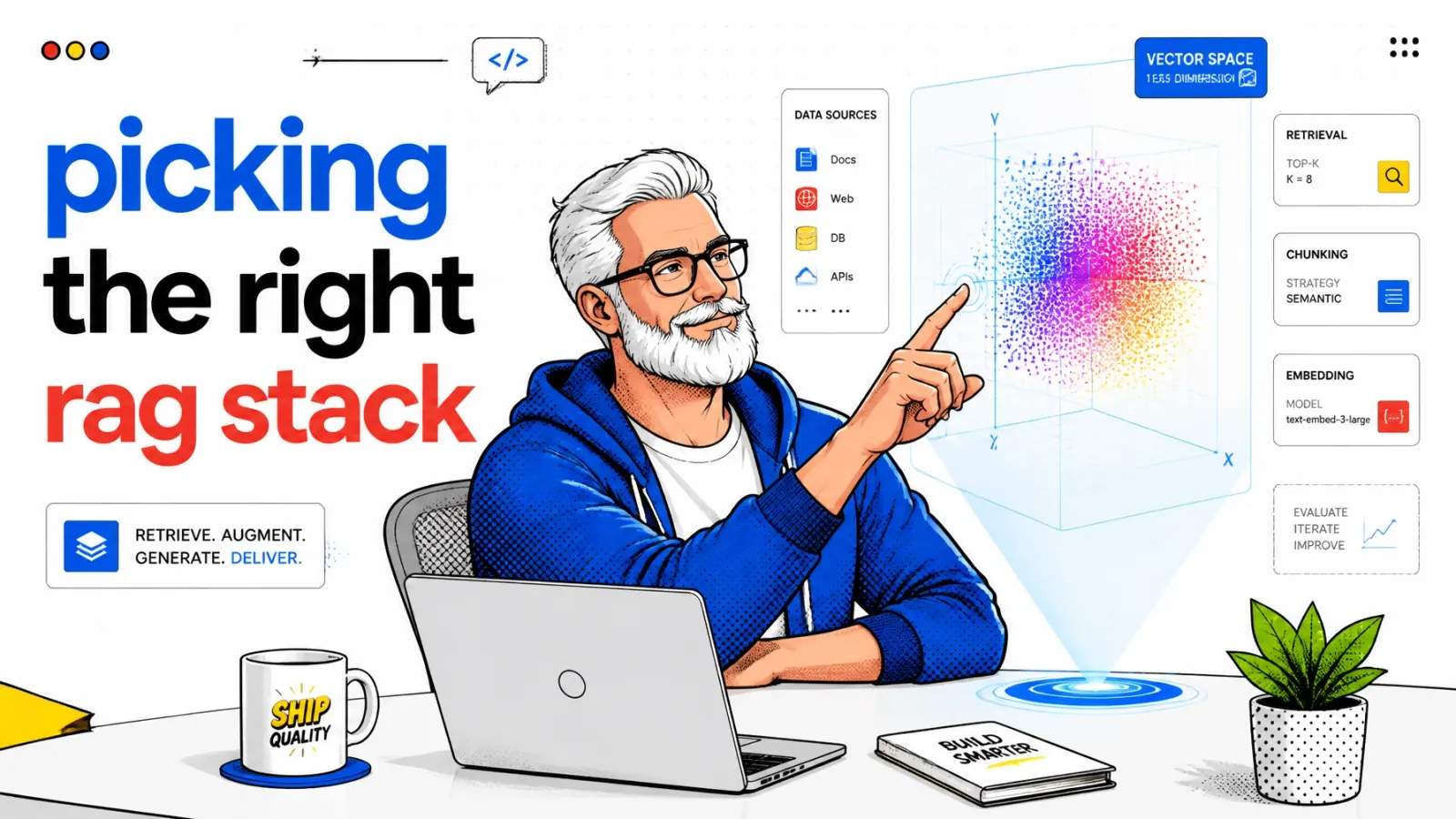
AIPicking the right RAG stack: vector databases for AI
pgvector, Pinecone, Weaviate, Qdrant: a 2026 field guide to picking the right vector store for your AI app, with hybrid search and scaling tips.
Read post →
-
 AI
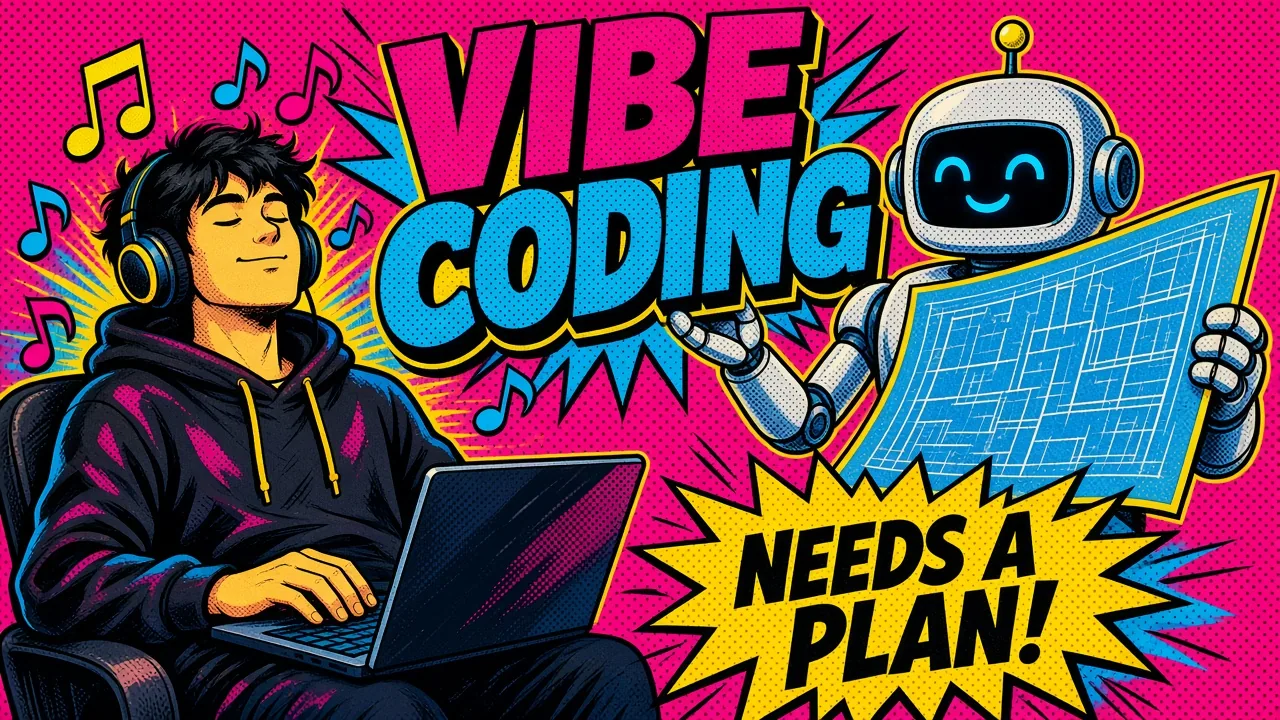
AIVibe coding: why projects need more than logic
Taste, intent and feel matter more in the Cursor and Claude era, and here is how to keep the codebase from becoming a ball of mud while you vibe.
Read post →