▸ Tag · #llm
LLMs.
Working with large language models directly — context windows, prompt and context engineering, memory, and where the abstractions leak.
-
 Shopify
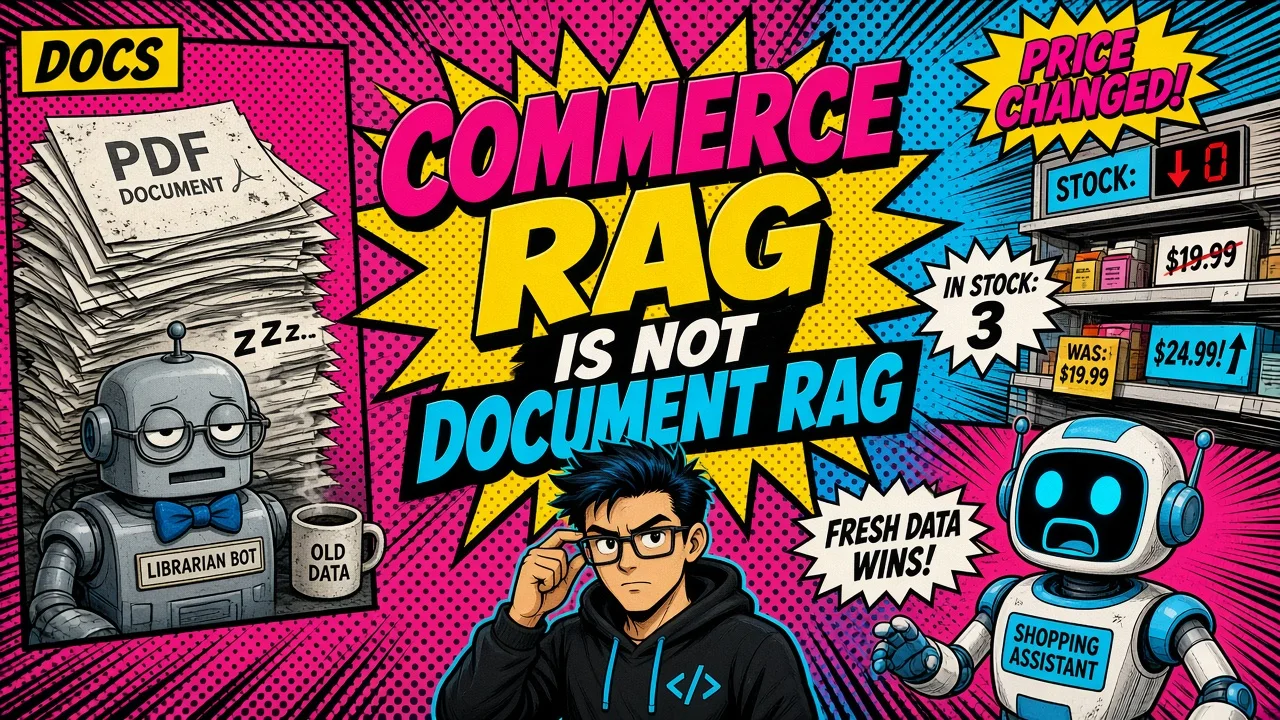
Commerce RAG is not document RAG
Shopify Plus catalog RAG needs hybrid lexical plus vector search, then commerce ranking on stock, velocity, and margin. Not LangChain on PDFs.
Read post →
-
 AI
AITraining vs inference: scaling AI systems
How training and inference differ in compute, cost, and hardware, and how to architect each phase so your AI app stays fast and affordable at scale.
Read post →
-
 AI
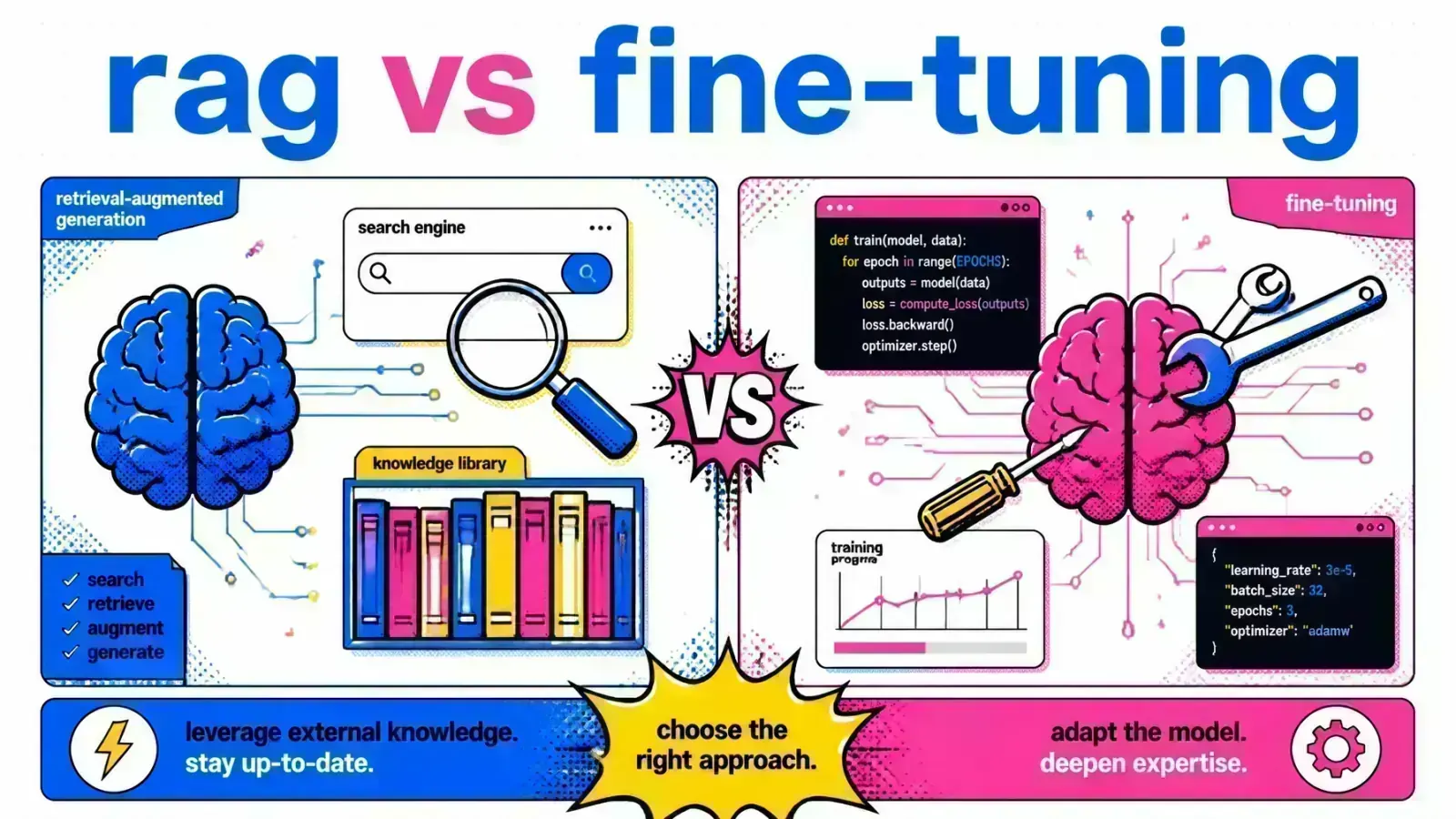
AIRAG vs fine-tuning: choosing your AI architecture
RAG vs fine-tuning for production LLMs: knowledge vs behavior, latency, cost, privacy, and the hybrid approach. How to pick the right AI architecture.
Read post →
-
 AI
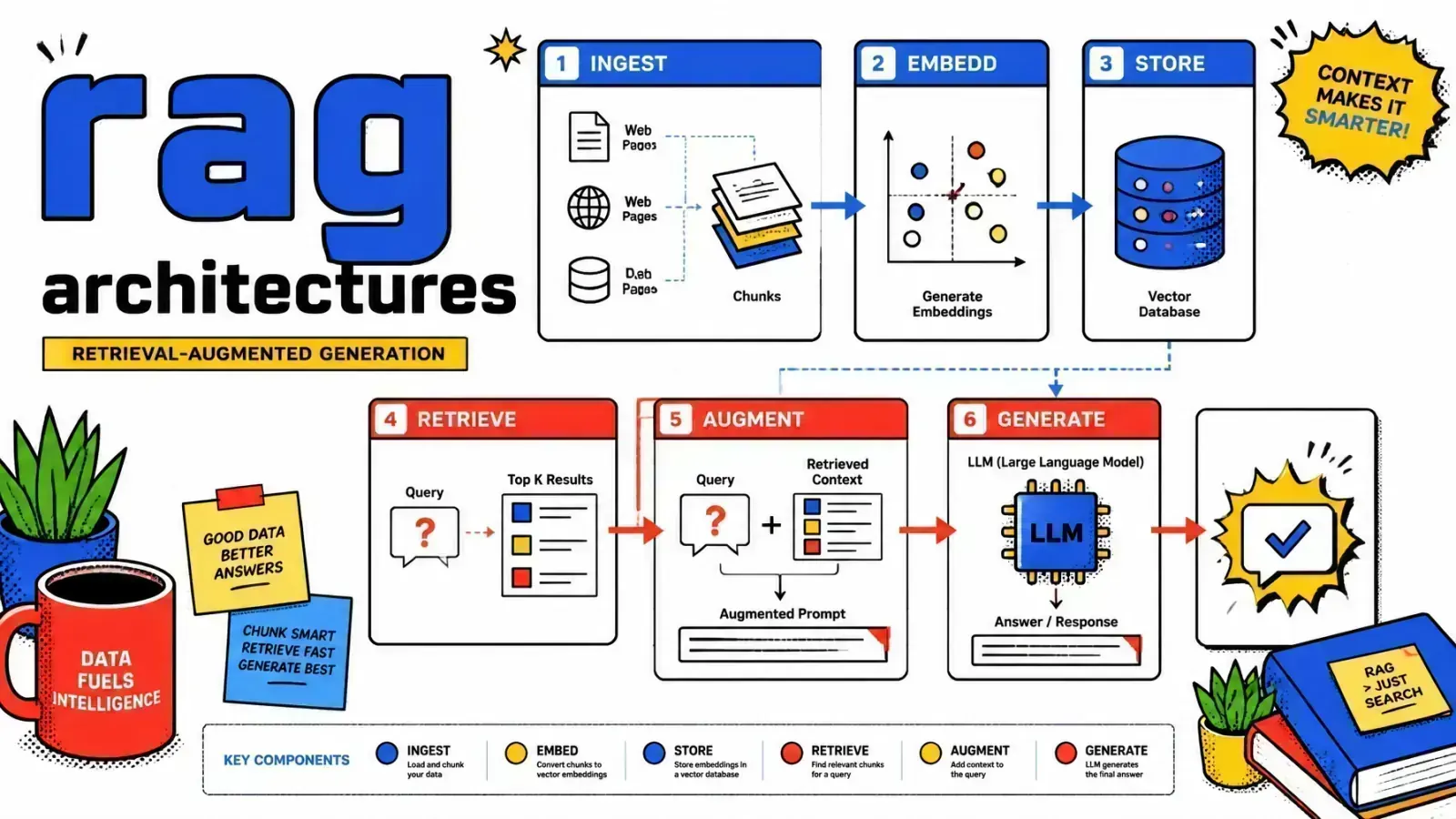
AIRAG architectures: traditional, agentic, corrective
Compare traditional, agentic, and corrective RAG architectures, with the latency, cost, and accuracy trade-offs that decide which fits your AI app.
Read post →
-
 AI
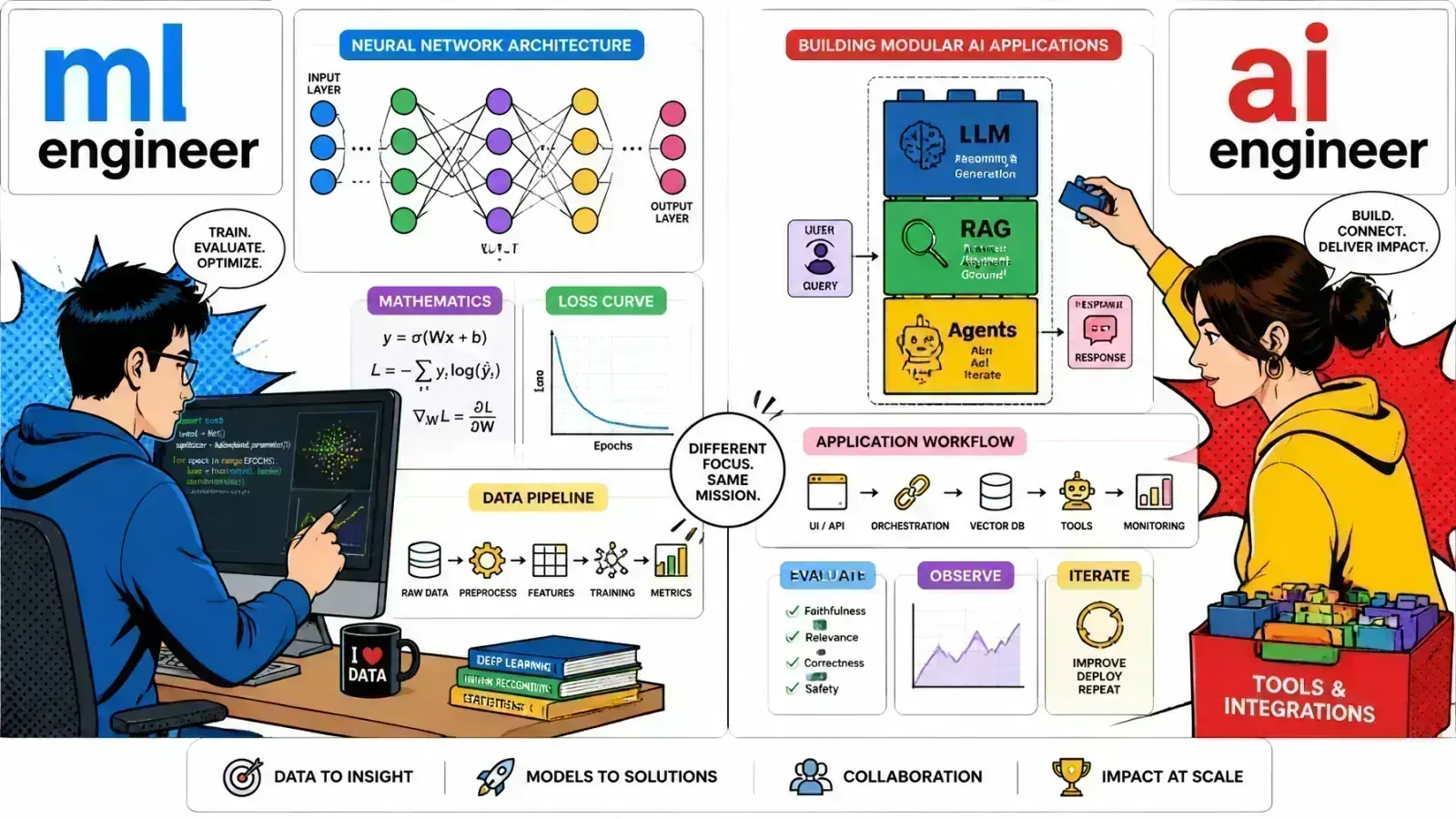
AIML engineer vs AI engineer
ML engineer vs AI engineer: who trains the model, who orchestrates the system, their diverging toolsets, and which role your AI roadmap actually needs.
Read post →
-
 AI
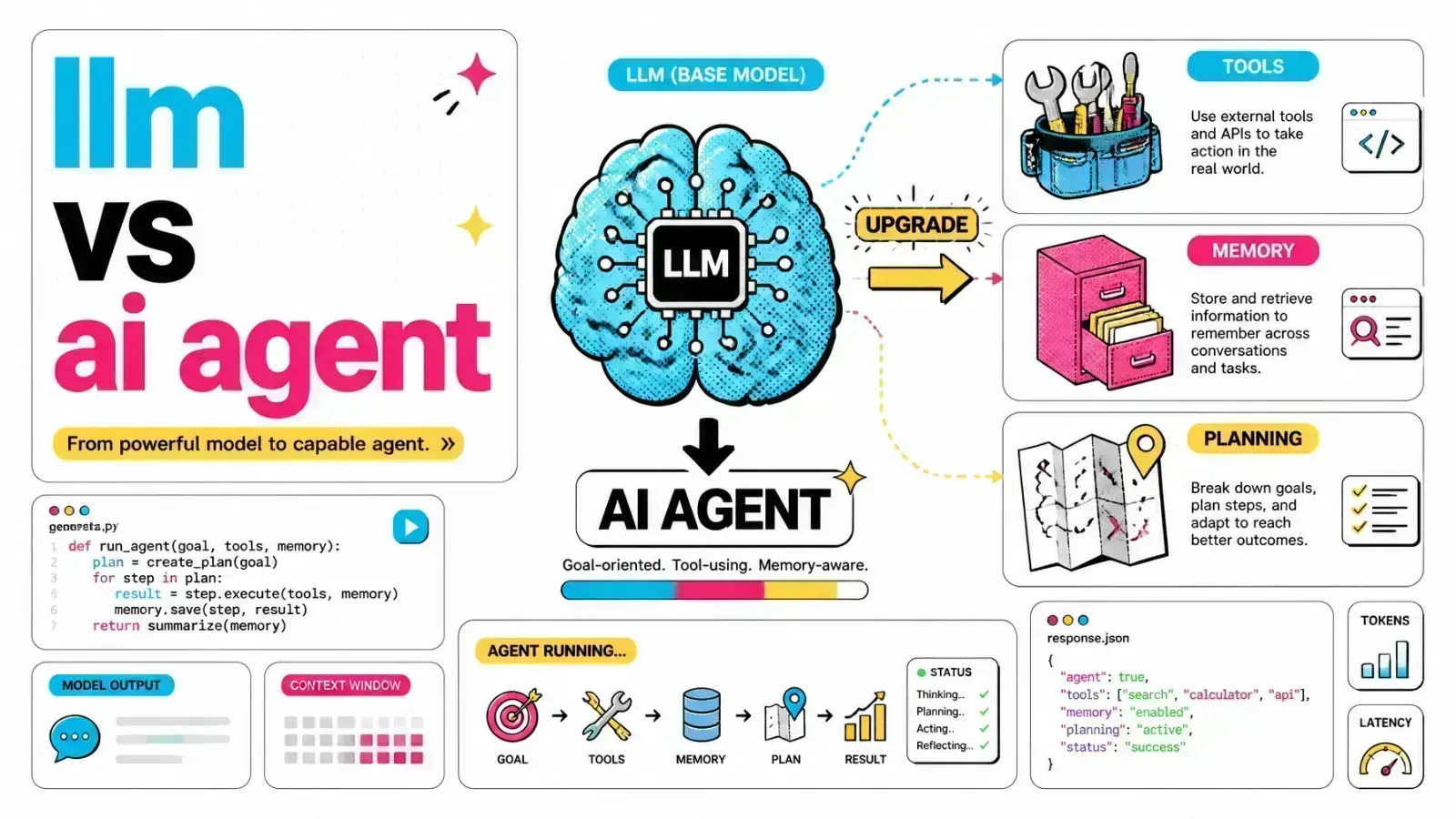
AILLM vs AI agent: from prompts to action
The architectural shift from LLMs to autonomous AI agents. How memory, tool-use, and planning turn a stateless model into a system that takes action.
Read post →
-
 AI
AIContext window vs memory: building AI that remembers
Stop context-stuffing your LLM prompts. The difference between the context window and persistent memory, and how RAG + pgvector scale AI agents affordably.
Read post →
-
 Architecture
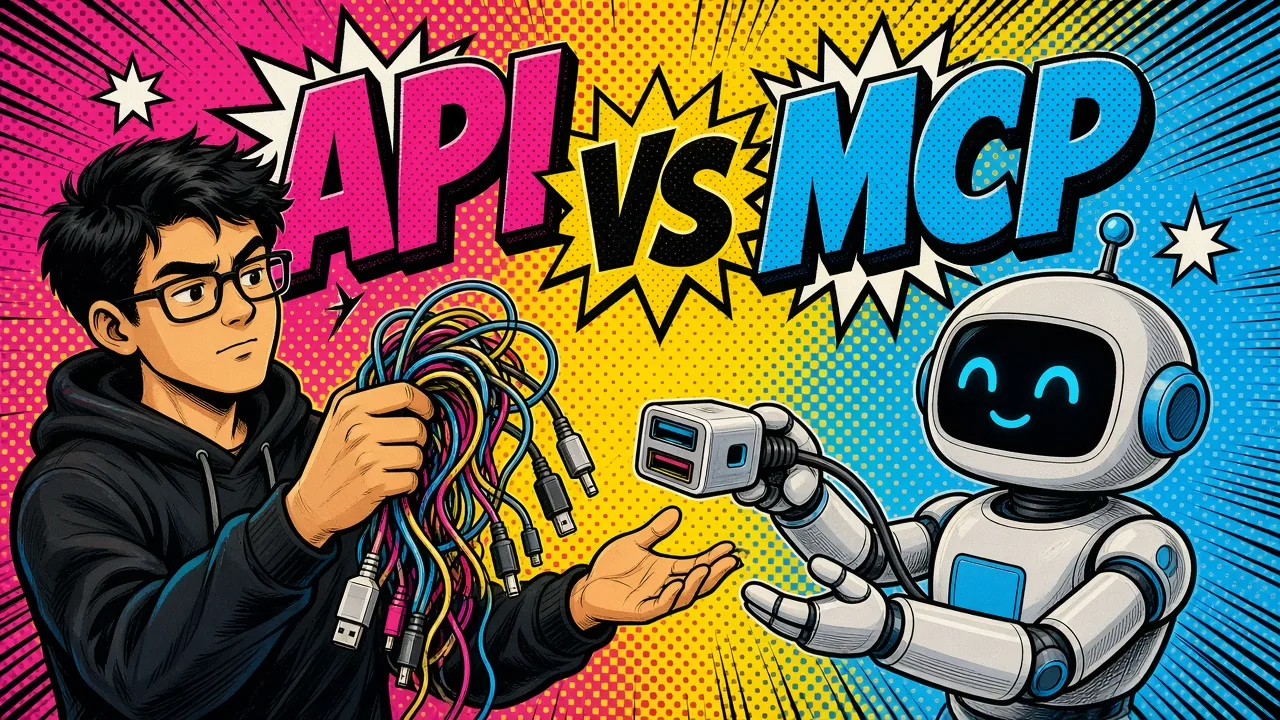
API vs MCP: connecting AI systems
The core differences between traditional APIs and the Model Context Protocol (MCP), and when to use each to build scalable, agentic AI systems.
Read post →
-
 AI
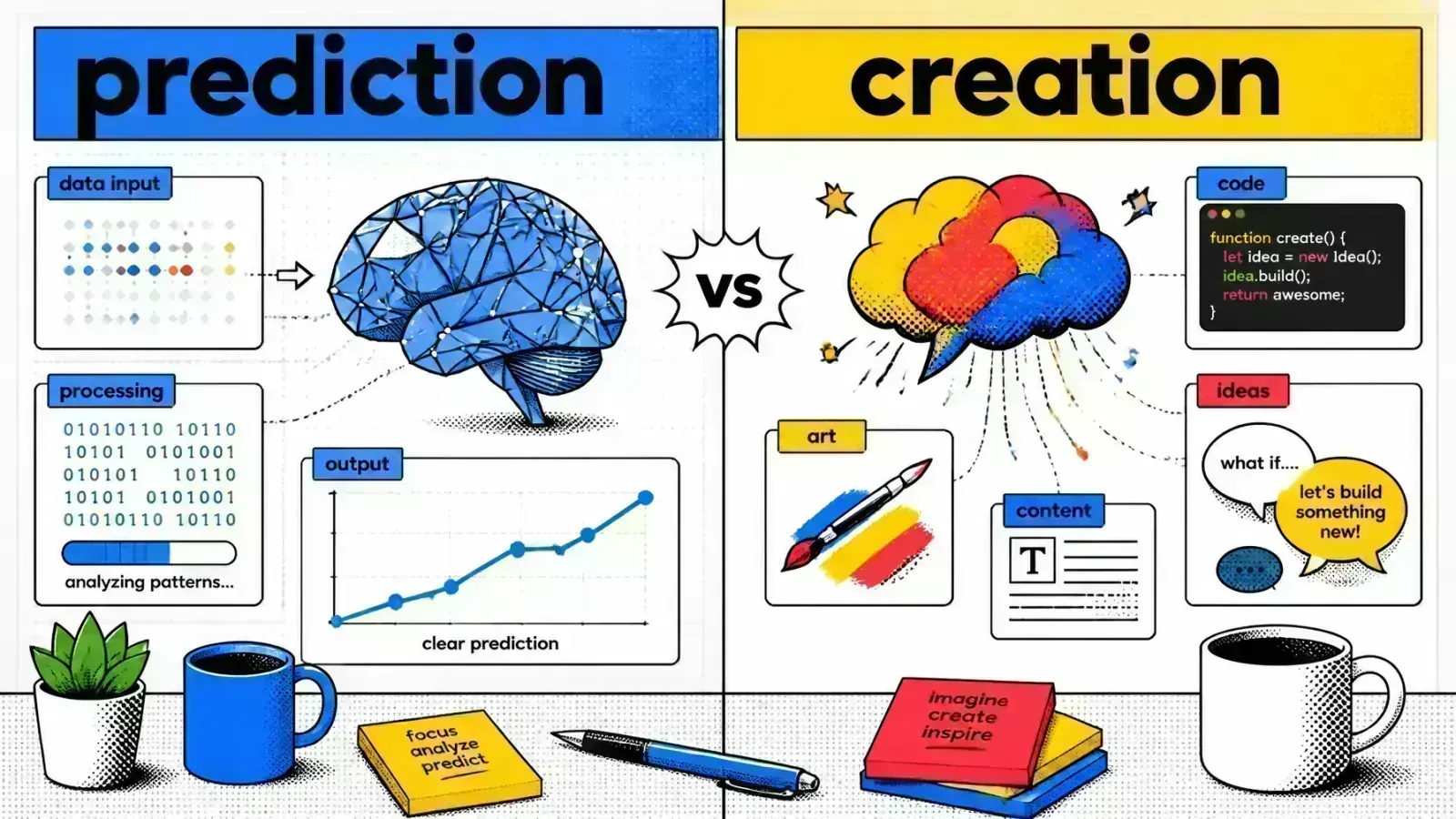
AIMachine learning vs generative AI
Machine Learning predicts; Generative AI creates. The discriminative-vs-generative split decides your architecture, infra, and monthly cloud bill.
Read post →
-
 AI
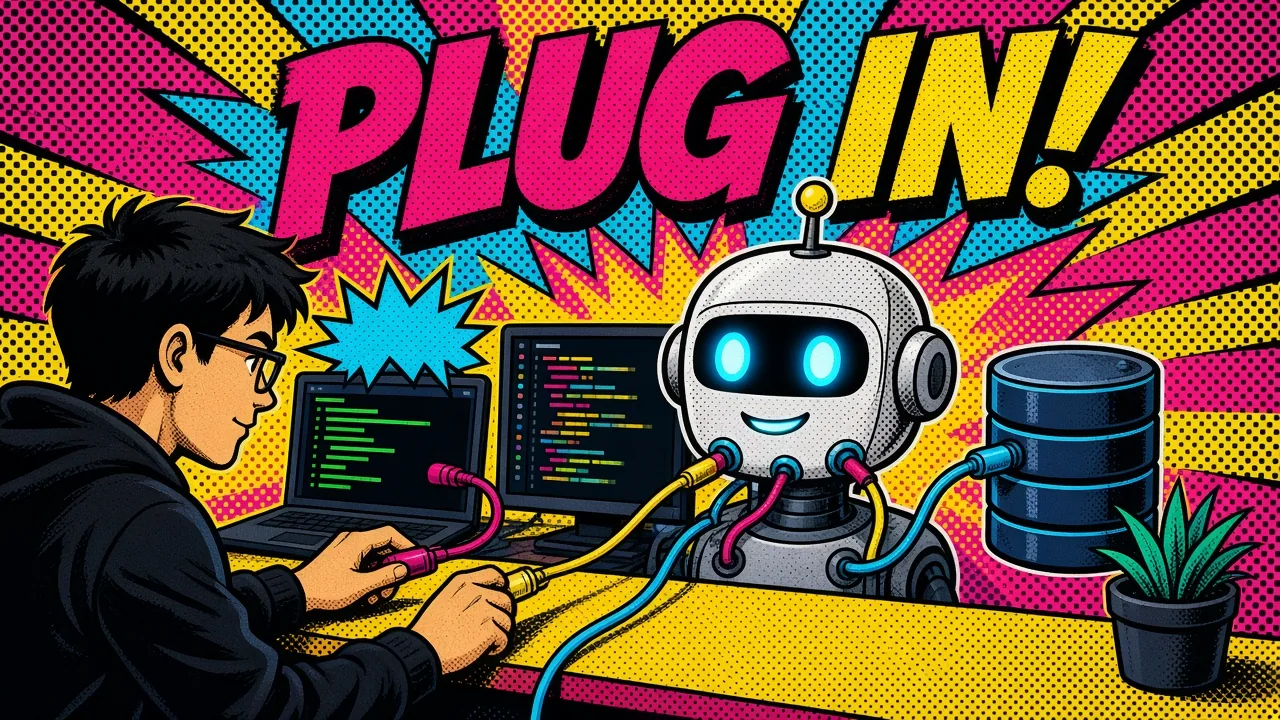
AIClaude MCP: connecting my dev tools to LLMs
The Model Context Protocol is a USB-C port for LLMs: one MCP server, any host, no MxN integration tax. The architecture, the servers I run, and why it is safe.
Read post →
-
 Architecture
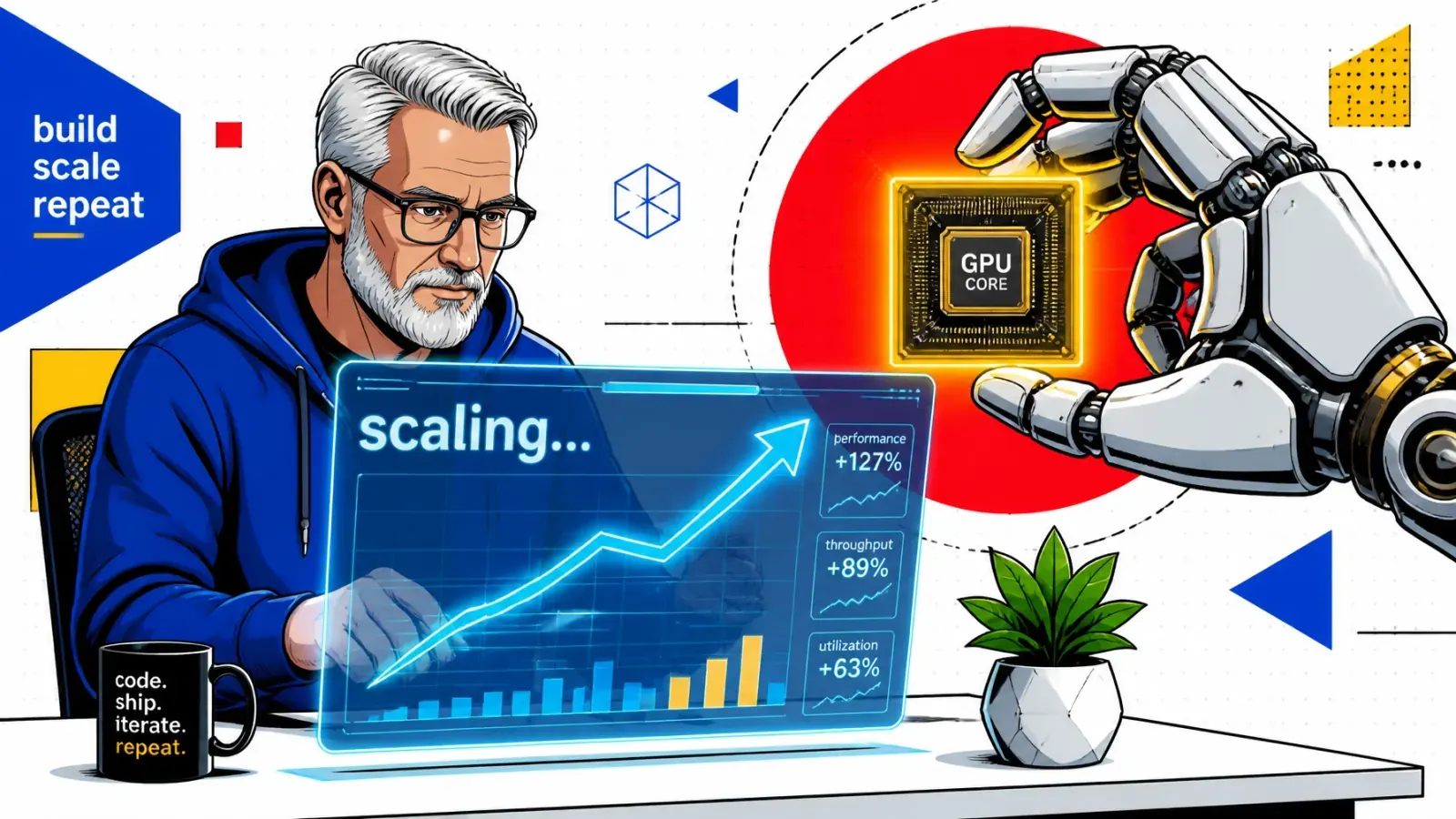
Smart auto-scaling for modern AI apps
CPU auto-scaling fails GPU workloads. Why queue depth, KV-cache pressure, and TTFT beat CPU as triggers, plus the KEDA patterns to scale AI in time.
Read post →
-
 Architecture
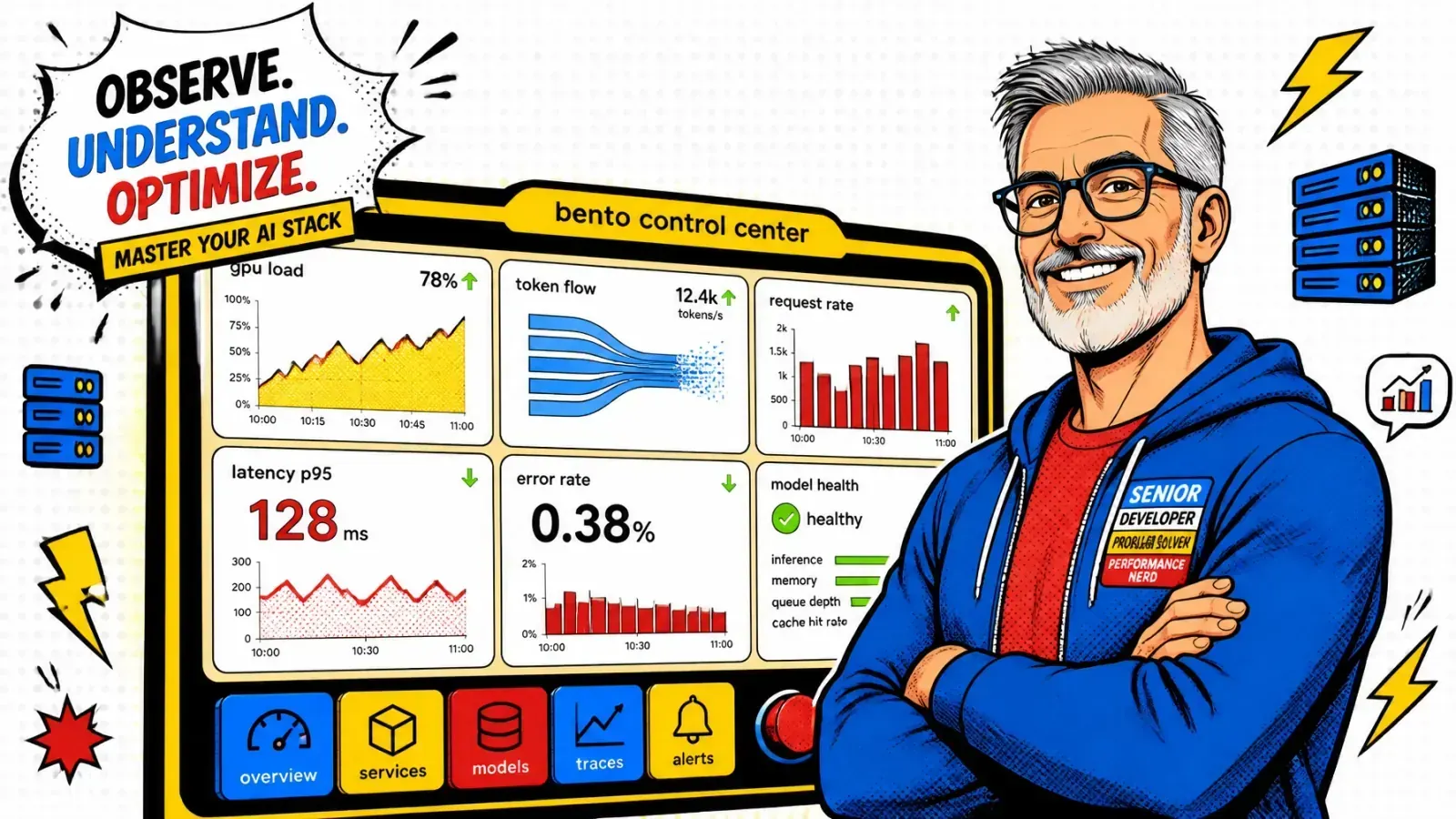
GPU-aware load balancing for AI inference
Round-robin breaks when LLM requests span 50 to 50,000 tokens. GPU-aware load balancing with prefill/decode disaggregation and the metrics that cut P99.
Read post →
-
 Architecture
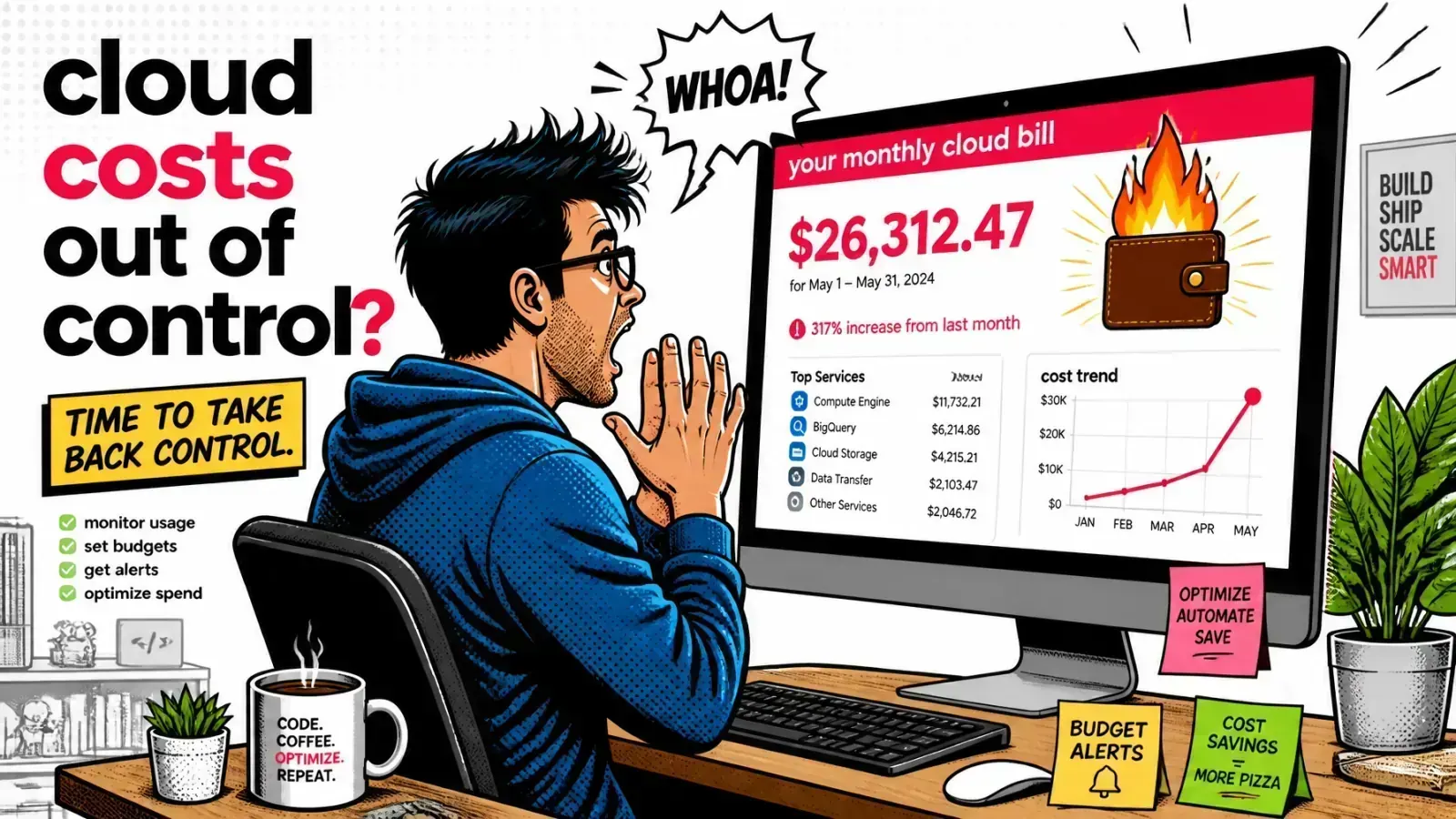
Rate limiting: protecting your AI wallet
One runaway agent loop can mean a $5,000 LLM bill. Why request-per-second limits lie, and how hierarchical token-bucket limits protect your margins.
Read post →
-
 AI
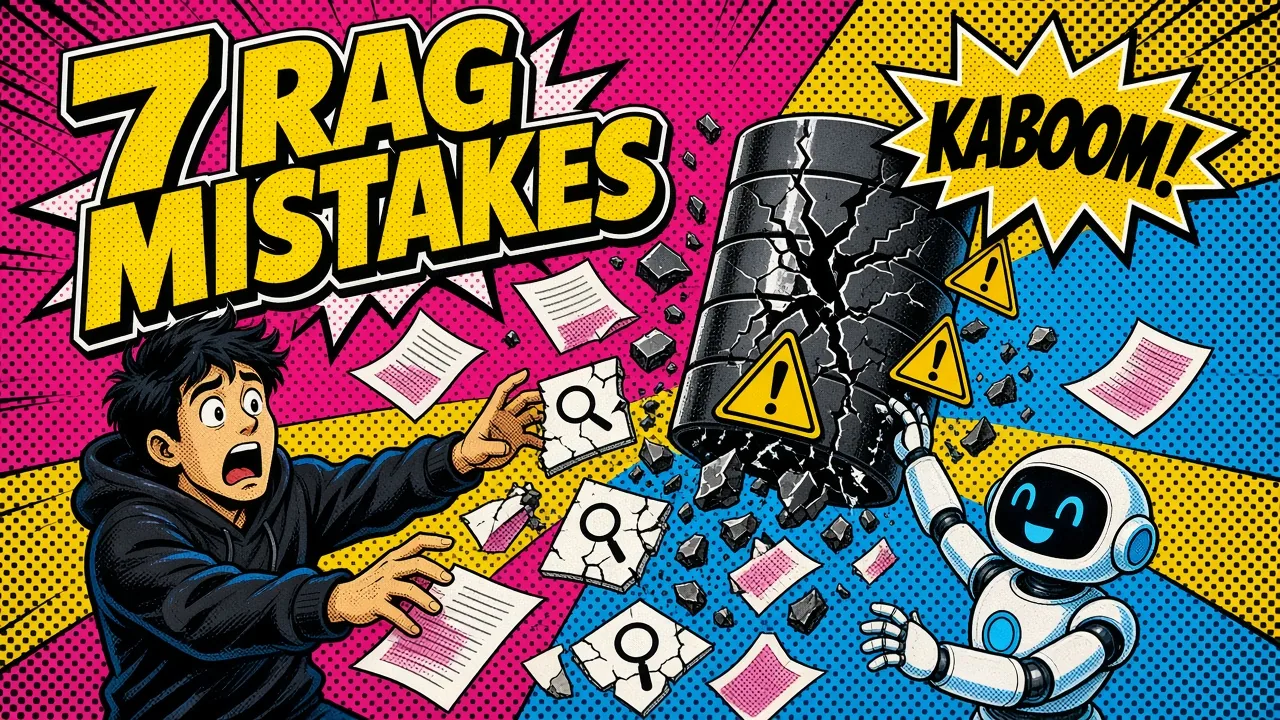
AI7 mistakes wrecking your production RAG stack
Naive chunking, no reranker, embedding drift, latency blowups: the structural mistakes that wreck a production RAG stack, and the fixes that ship.
Read post →
-
 AI
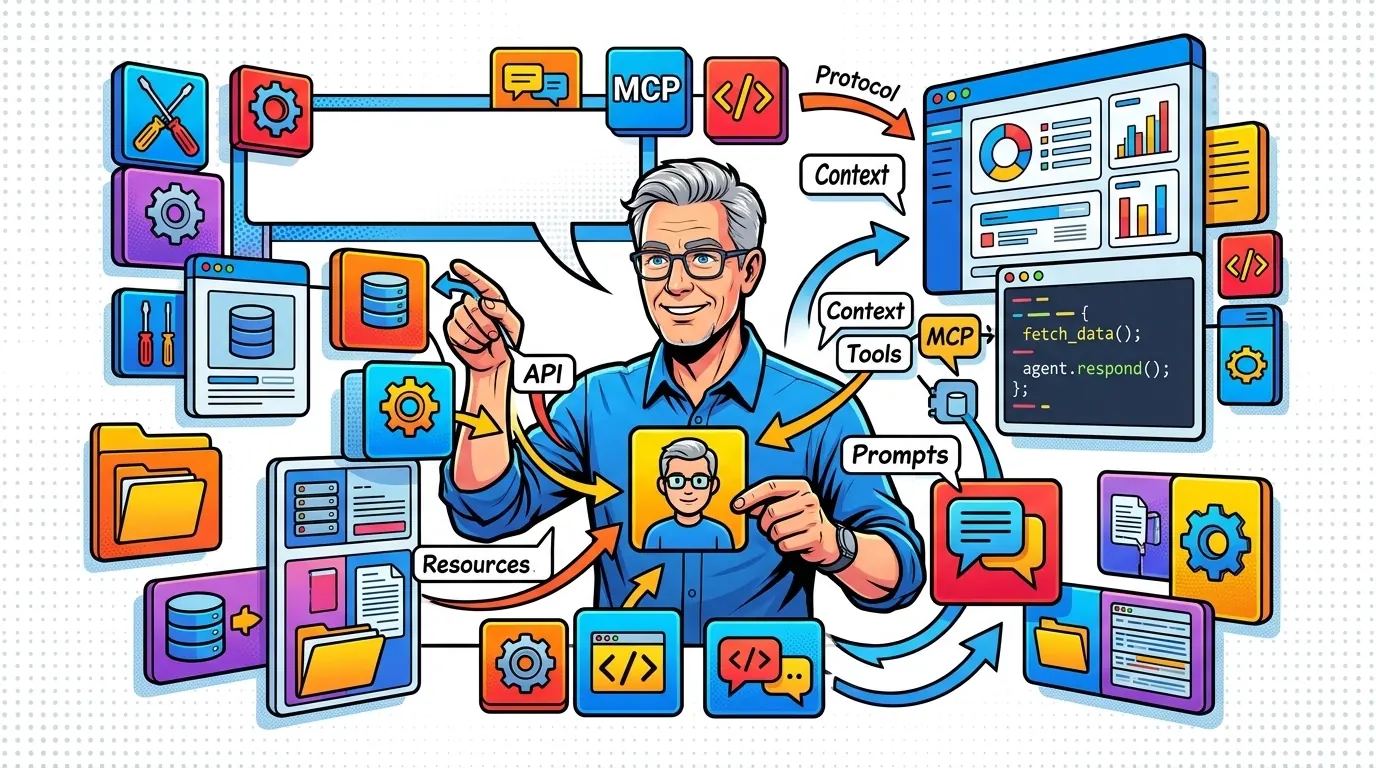
AIMCP tool-use: building context-aware agents
Build context-aware agents with MCP. How tools, resources, and prompts let one server talk to any client and retire brittle one-off integrations for good.
Read post →