▸ Tag · #agentic-ai
Agentic AI.
Agents that do real work: tool use, multi-step planning, the MCP/A2A/ACP protocol landscape, and keeping autonomy bounded enough to trust.
-
 Shopify
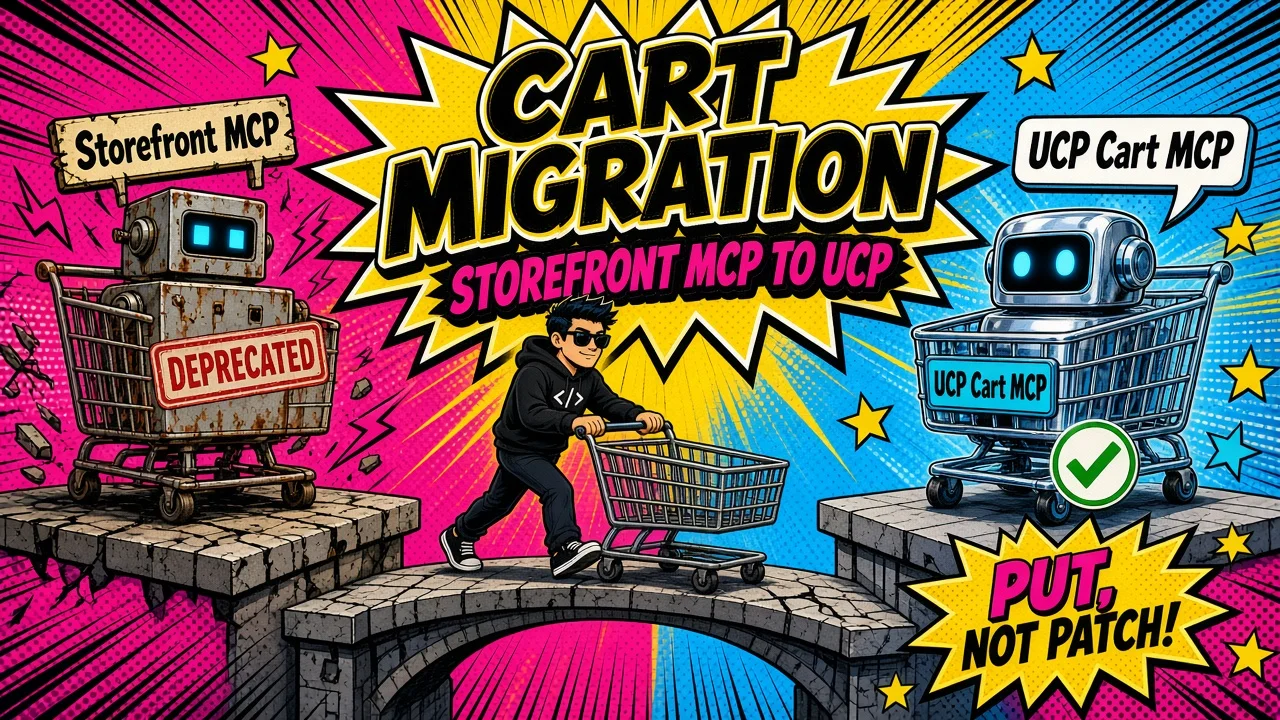
Migrate Storefront MCP carts to UCP Cart MCP
Storefront MCP get_cart and update_cart on /api/mcp are deprecated. Move agents to UCP Cart MCP at /api/ucp/mcp with create, get, update, and cancel.
Read post →
-
 Architecture
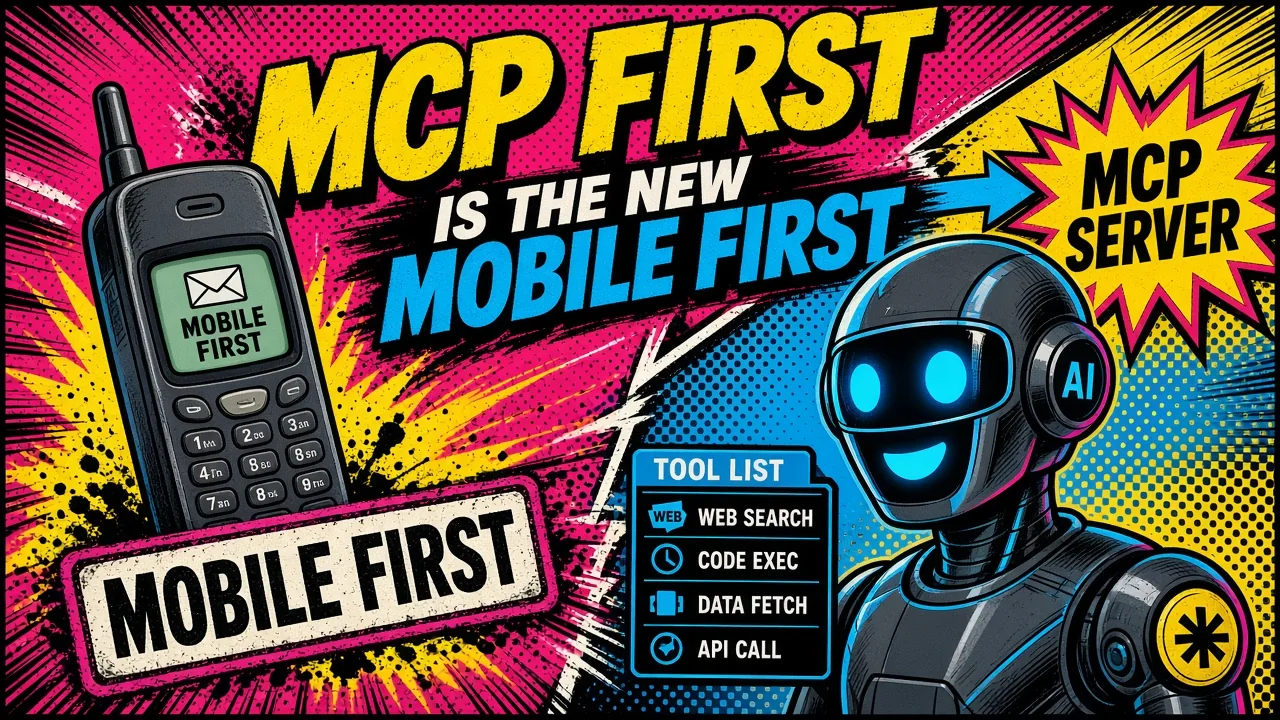
MCP first is the new mobile first
Mobile first made every screen work on a phone. MCP first makes every product capability work for an AI agent: tools, skills, and permissions before the human UI.
Read post →
-
 Laravel
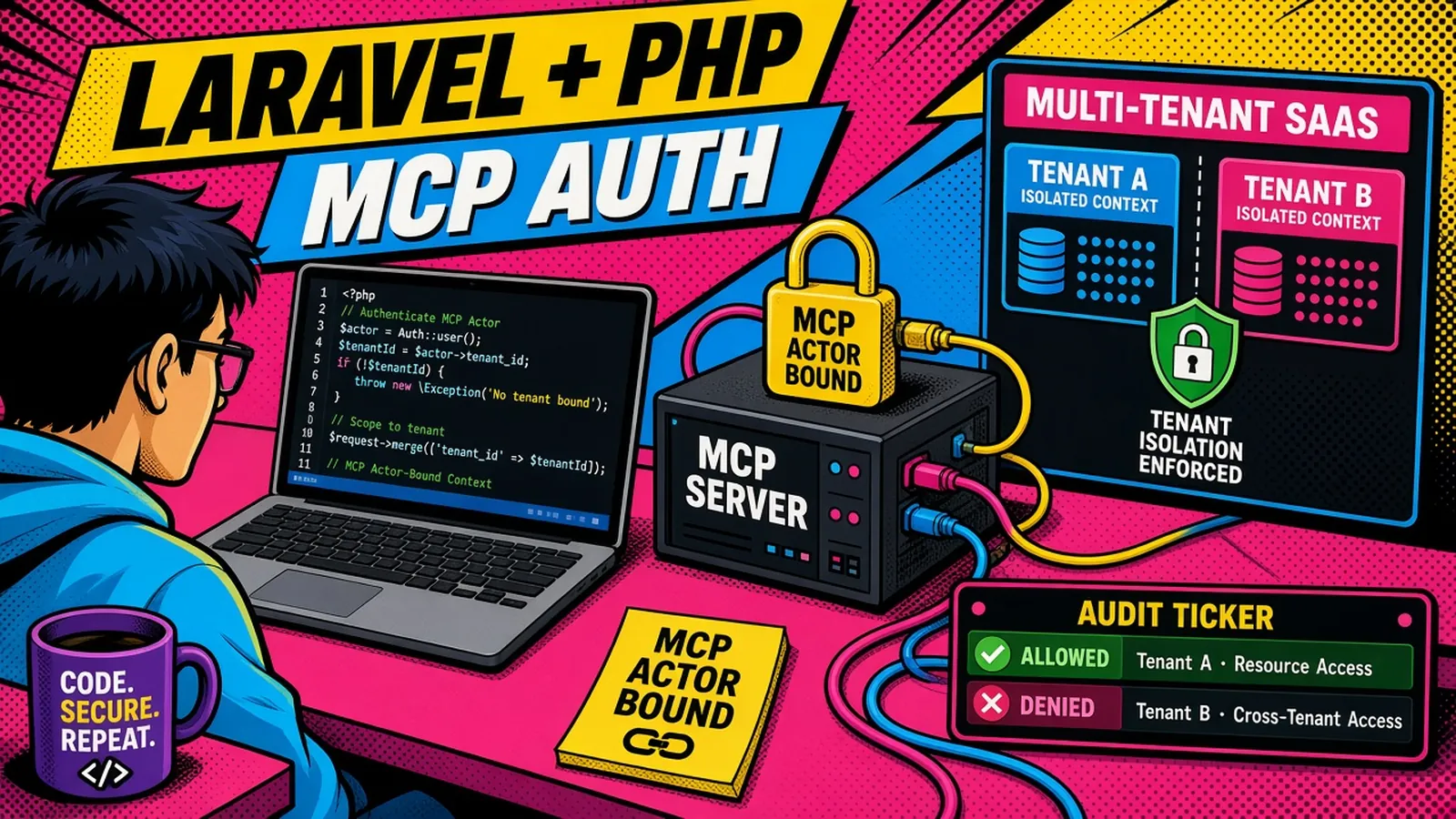
MCP auth and audit logging in a Laravel SaaS
An MCP server on Laravel is only as safe as its tenancy boundary. Scoped tool auth, request-bound actor context, and an audit log you can actually read at 3am.
Read post →
-
 AI
AITrust is not a QA strategy: test AI code too
AI code is 95% syntactically clean and fails security tests 45% of the time. Half of agentic PRs ship no tests. The verification pipeline I run instead.
Read post →
-
 Architecture
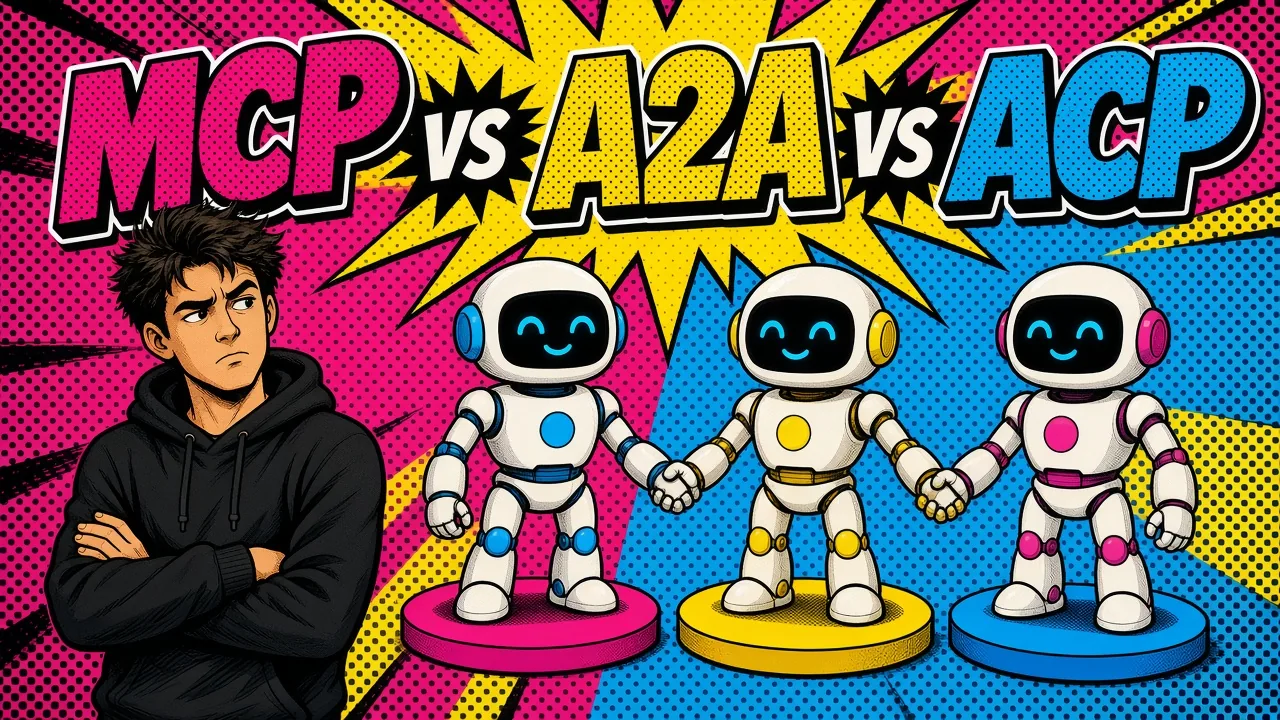
MCP vs A2A vs ACP: the agent protocol stack
MCP connects agents to tools, A2A connects agents to each other, and ACP has folded into A2A. How the two-layer agent protocol stack fits together in 2026.
Read post →
-
 AI
AIChatbots answered questions. Bots now do the work.
The first AI wave gave us chatbots that answer. The new wave gives us bots that do the work while we're away. What changes, what still needs a person, and who should get ready.
Read post →
-
 AI
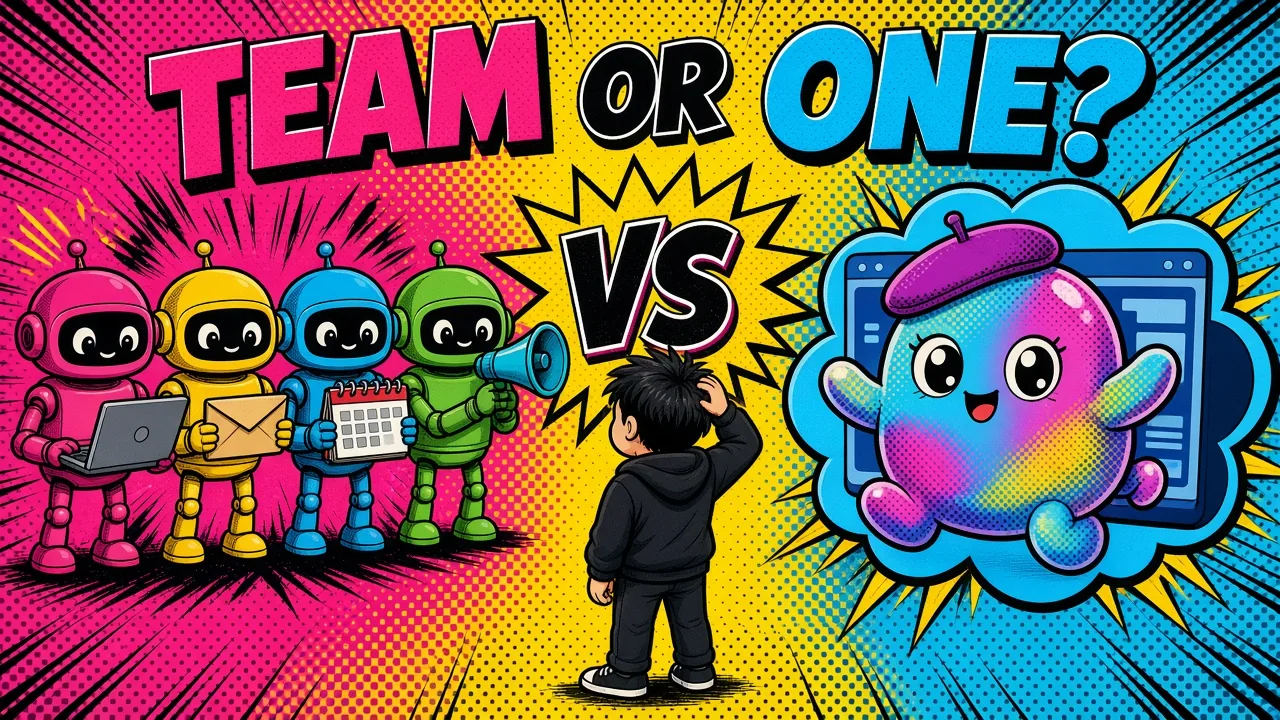
AIGrok Bot vs OpenAI dots: a team of bots or one agent
OpenAI dots and Grok Bot both give an AI agent its own cloud computer. Here is how they differ on teams, control, routines and access, and which fits your work.
Read post →
-
 AI
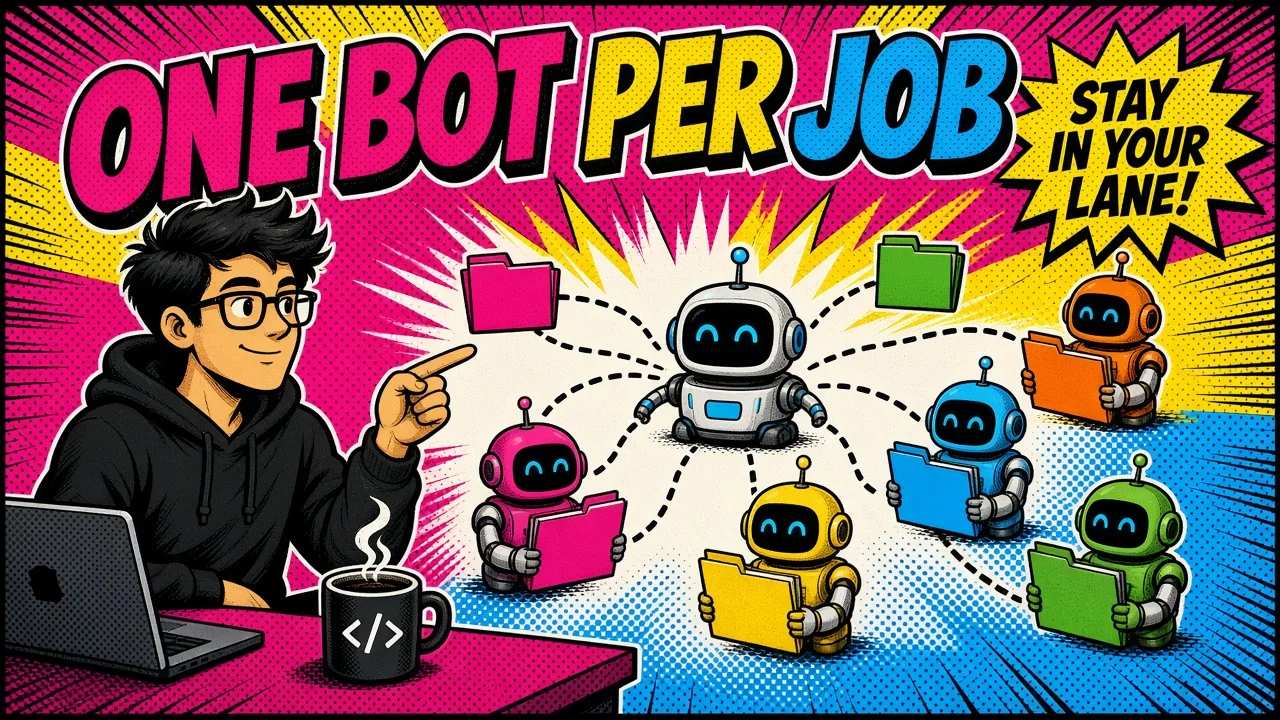
AIRun your business with one AI assistant per area
A simple setup for running any business with AI assistants: one hub, one bot per area of work, strict scopes, drafts before sends, and routines that stay quiet.
Read post →
-
 Architecture
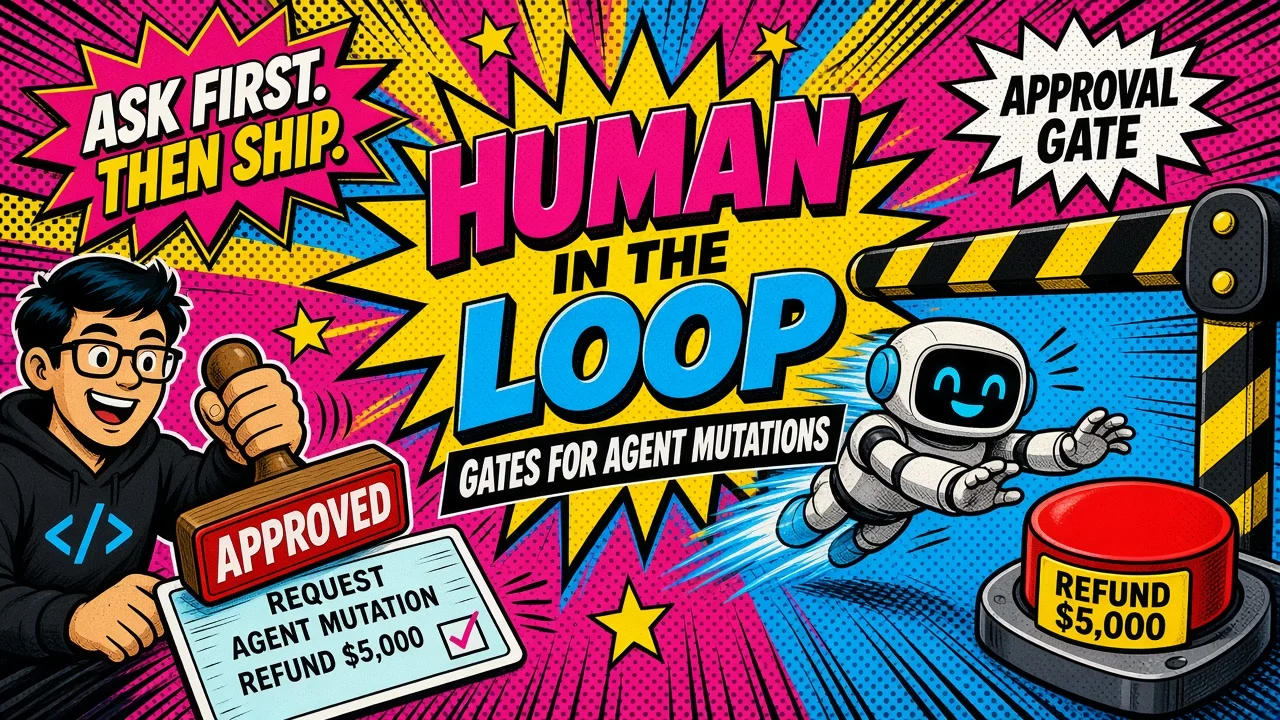
HITL gates for agent mutations
Human-in-the-loop risk gates for refunds, inventory, and spend. Verify mutations after tool calls so agents cannot declare early victory.
Read post →
-
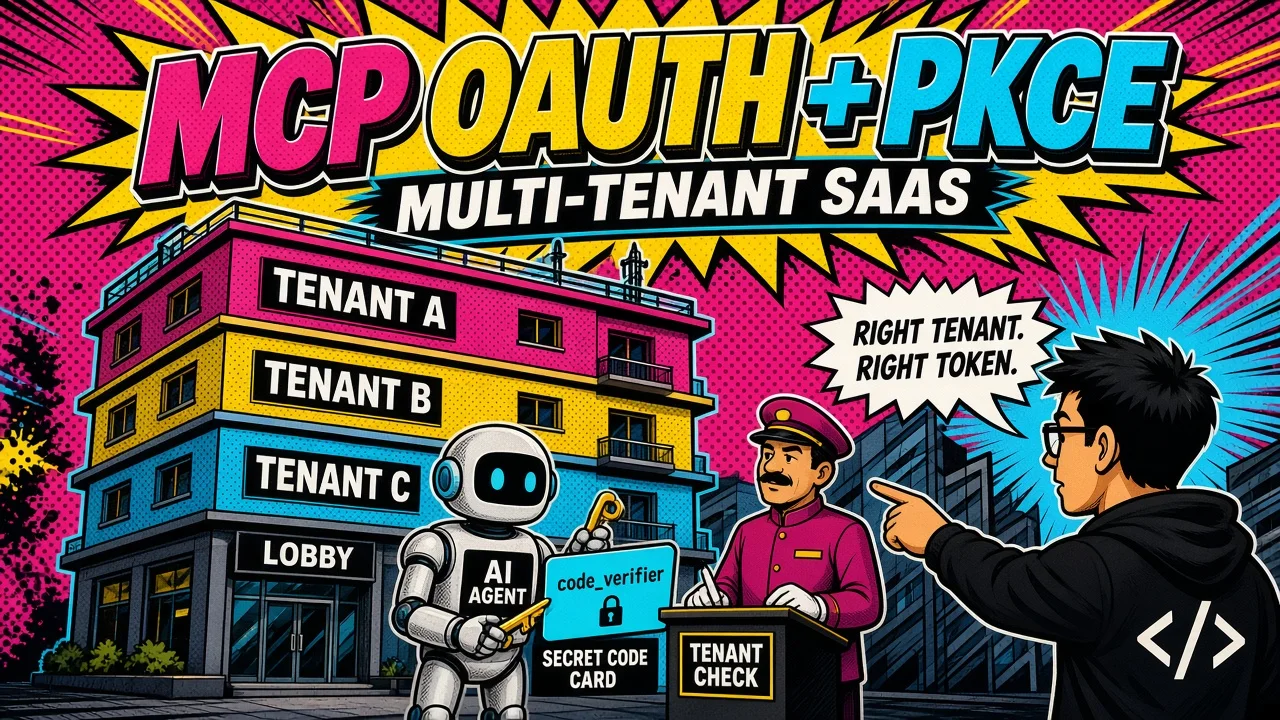 Laravel
MCP OAuth PKCE for multi-tenant SaaS
Laravel MCP requires PKCE S256 and prefers Client ID Metadata Documents. How multi-tenant SaaS should bind workspace at consent and avoid common agent auth failures.
Read post →
-
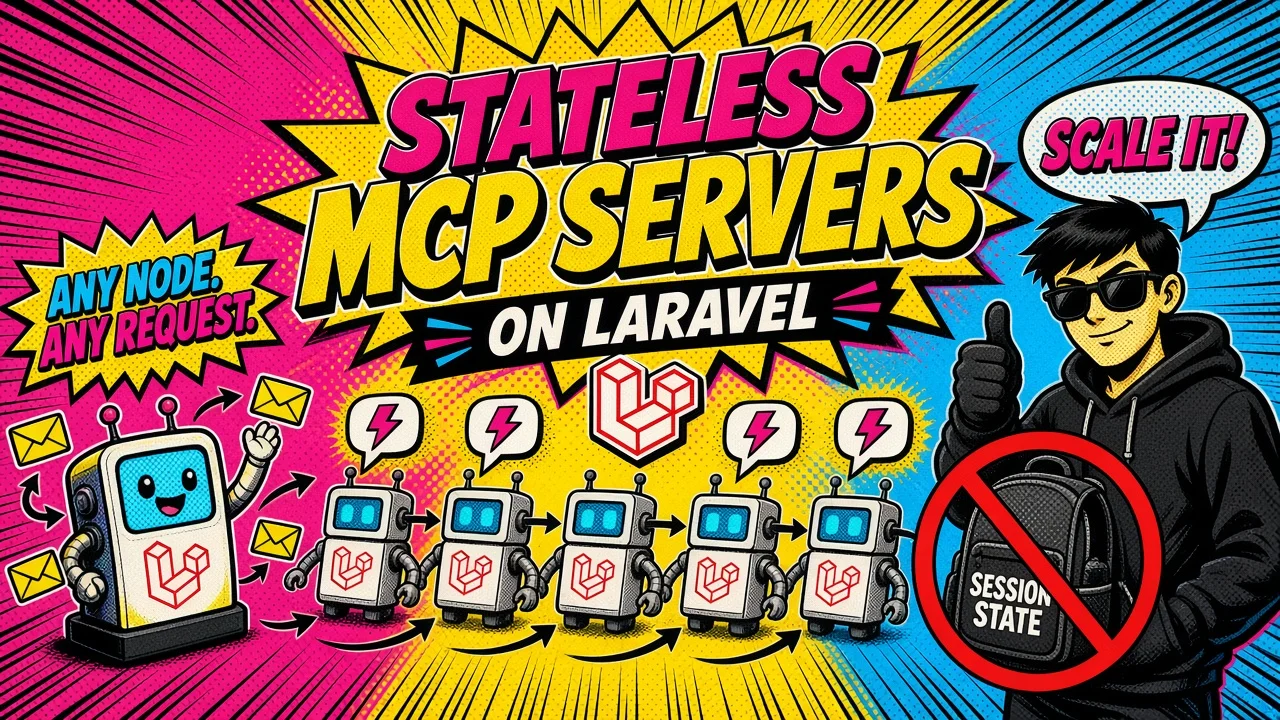 Laravel
Stateless MCP servers on Laravel
Laravel MCP 1.0 drops session IDs. Scale with Octane and queues, keep auth and idempotency, and pass your own correlation ids in _meta.
Read post →
-
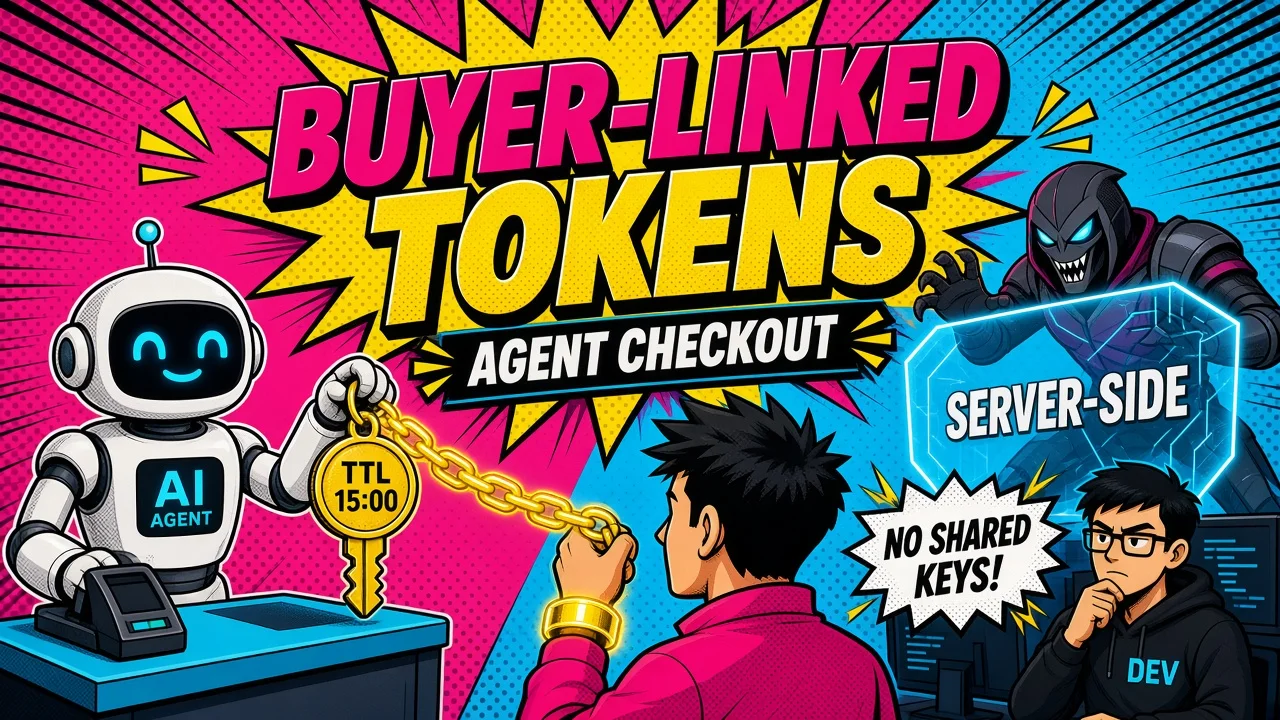 Shopify
Buyer-linked tokens for agent checkout
Exchange a Shop session for a Shopify buyer-linked JWT (~60 minutes, no refresh) so signed-in agents can personalize catalog and complete checkout.
Read post →
-
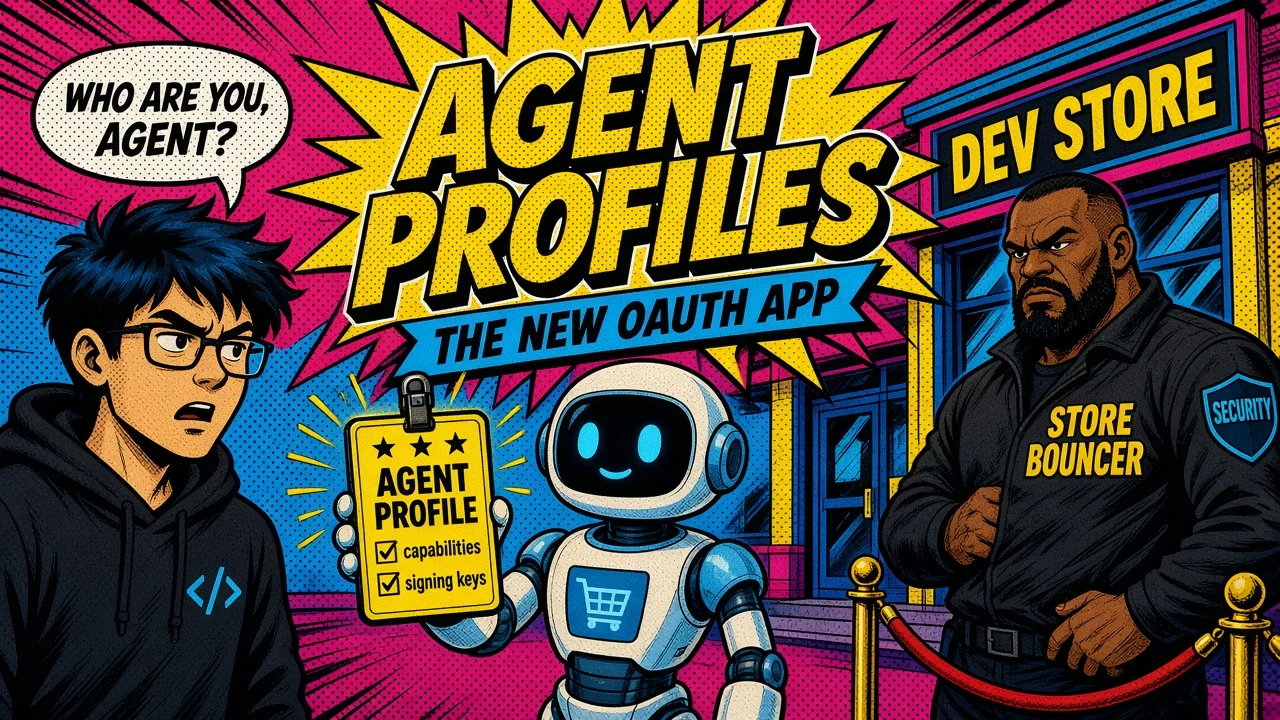 Shopify
UCP agent profiles are the new OAuth app
Host a UCP agent profile URL, declare cart and checkout capabilities, and climb Anonymous, Signed, and Token trust tiers for Shopify MCP.
Read post →
-
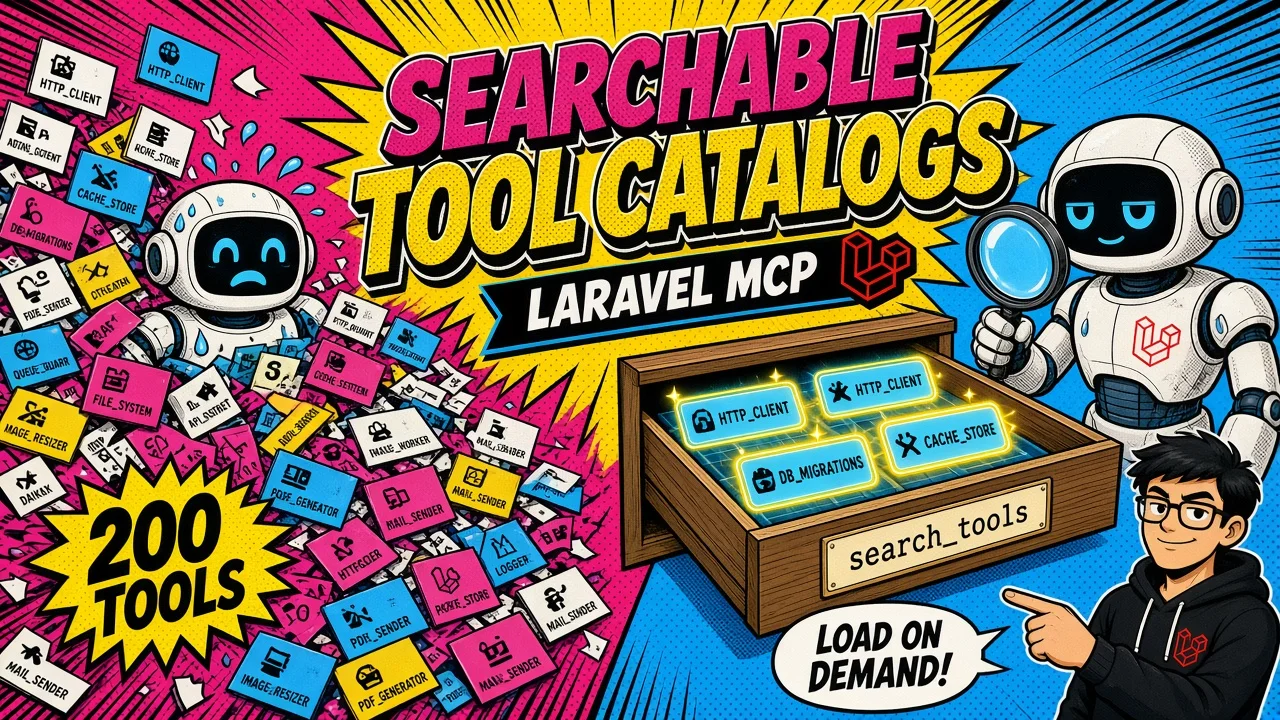 Laravel
Laravel MCP searchable tool catalogs
Laravel MCP 1.0 searchable catalogs and cache hints cut context bloat. When to expose tools versus discover them with search_tools and execute_tools.
Read post →
-
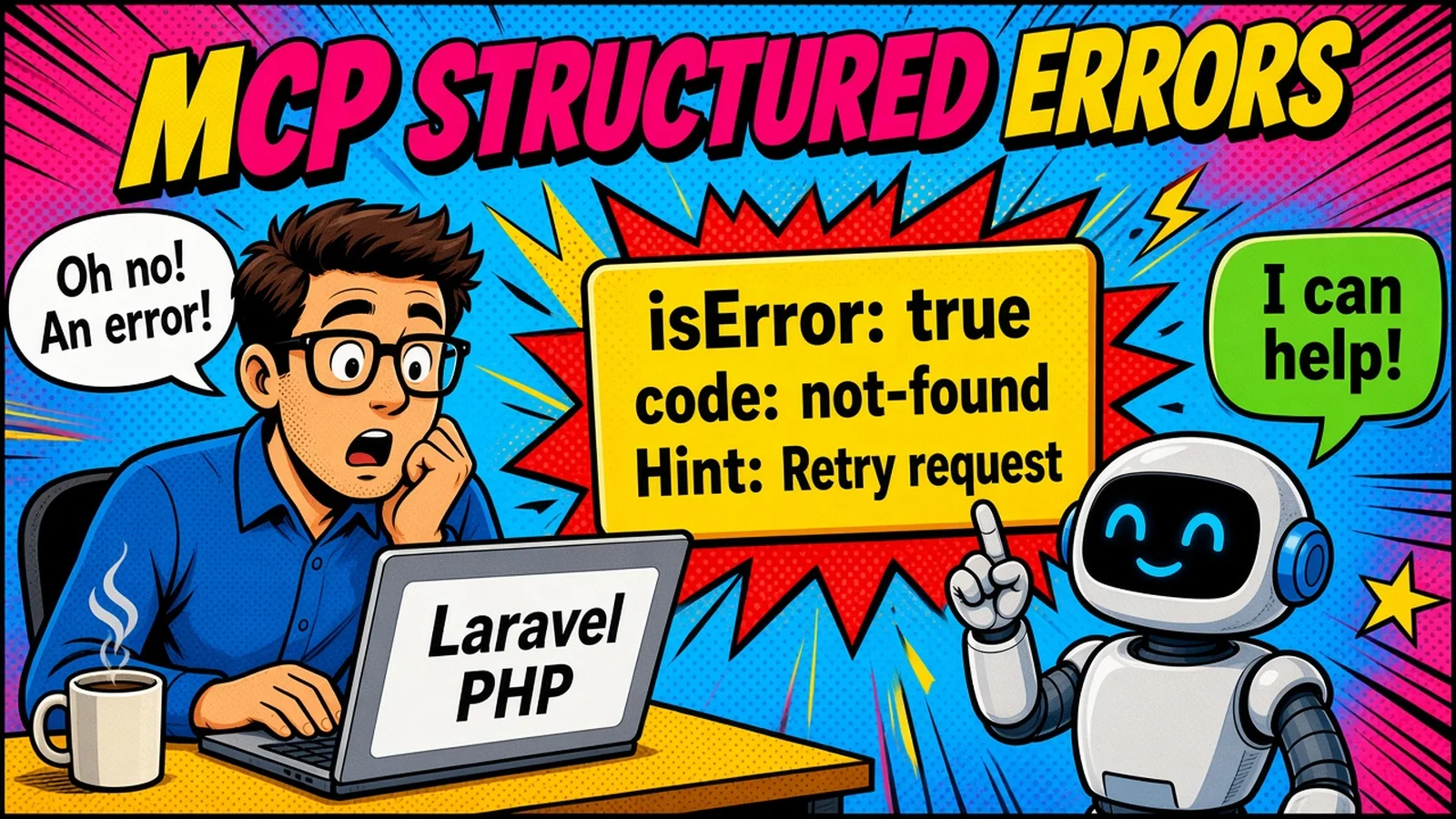 Laravel
MCP tool errors agents can actually recover from
Throwing exceptions hides failures from the model. MCP wants isError tool results with actionable text, mapped from Laravel domain failures and audited like auth denials.
Read post →
-
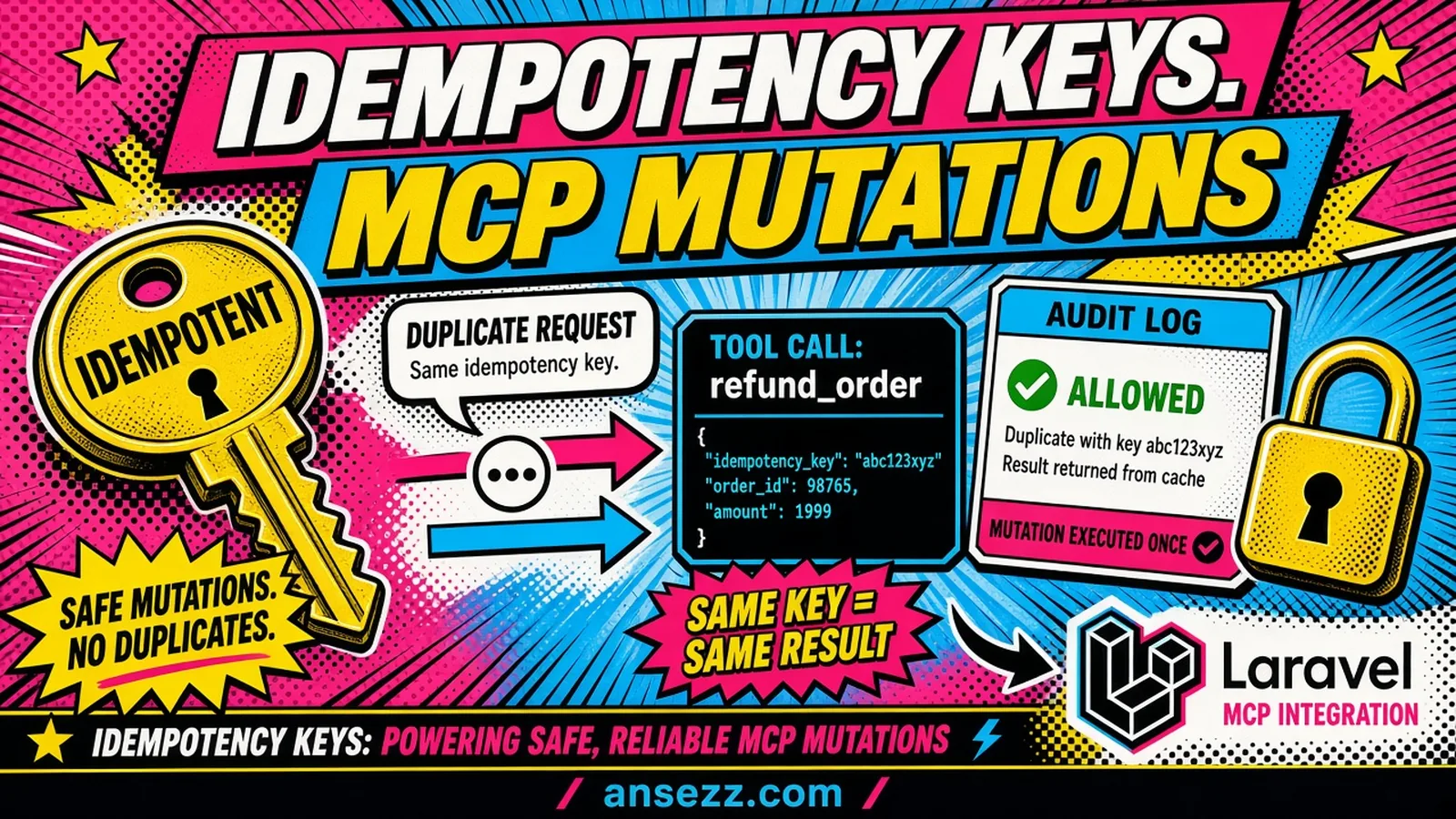 Laravel
Idempotency keys for MCP mutations in Laravel
Refunds, seat resets, and password emails need more than audit logging. Client-supplied idempotency keys, server-side short-circuits, and race-safe storage under Octane.
Read post →
-
 AI
AIStop reading every line of AI-generated code
Line-by-line review breaks on agent-sized diffs. How I moved to specs, property tests, and a multi-agent review pipeline, and the 3% I still read.
Read post →
-
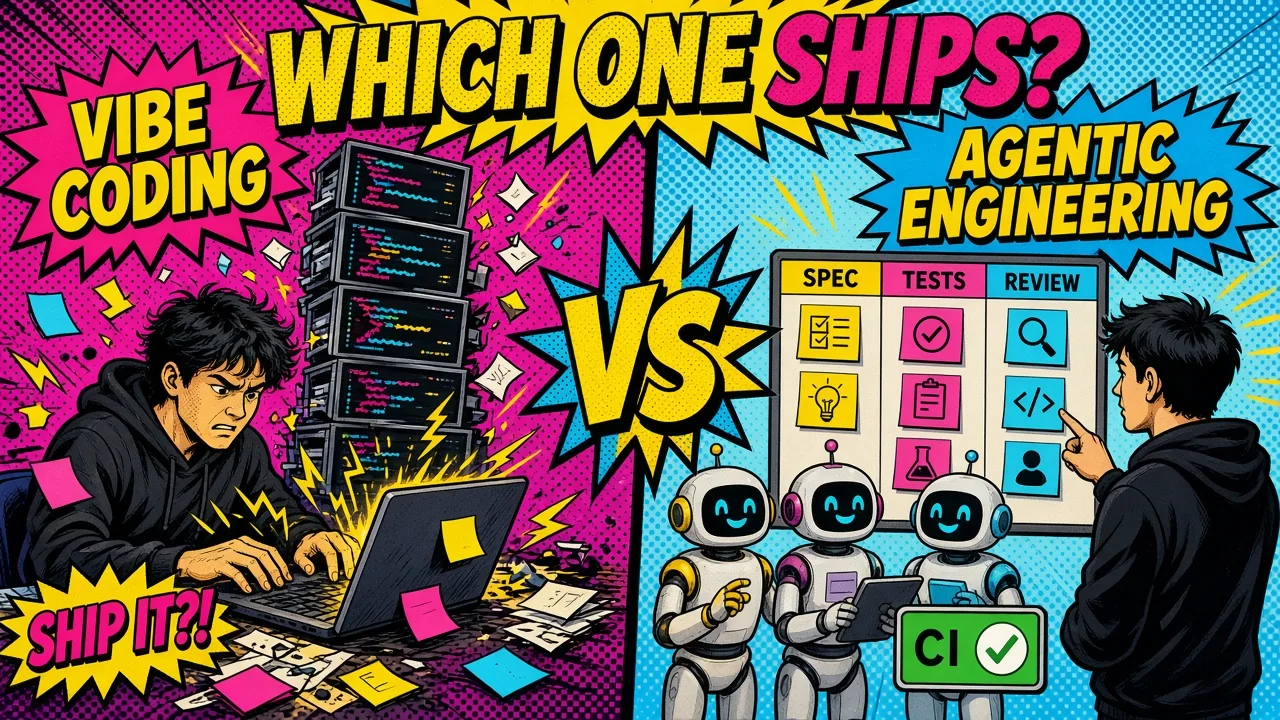 AI
AIVibe coding vs agentic engineering: which ships?
Vibe coding is for prototypes, agentic engineering is for production. The daily split I use to ship AI-written code without hidden technical debt.
Read post →
-
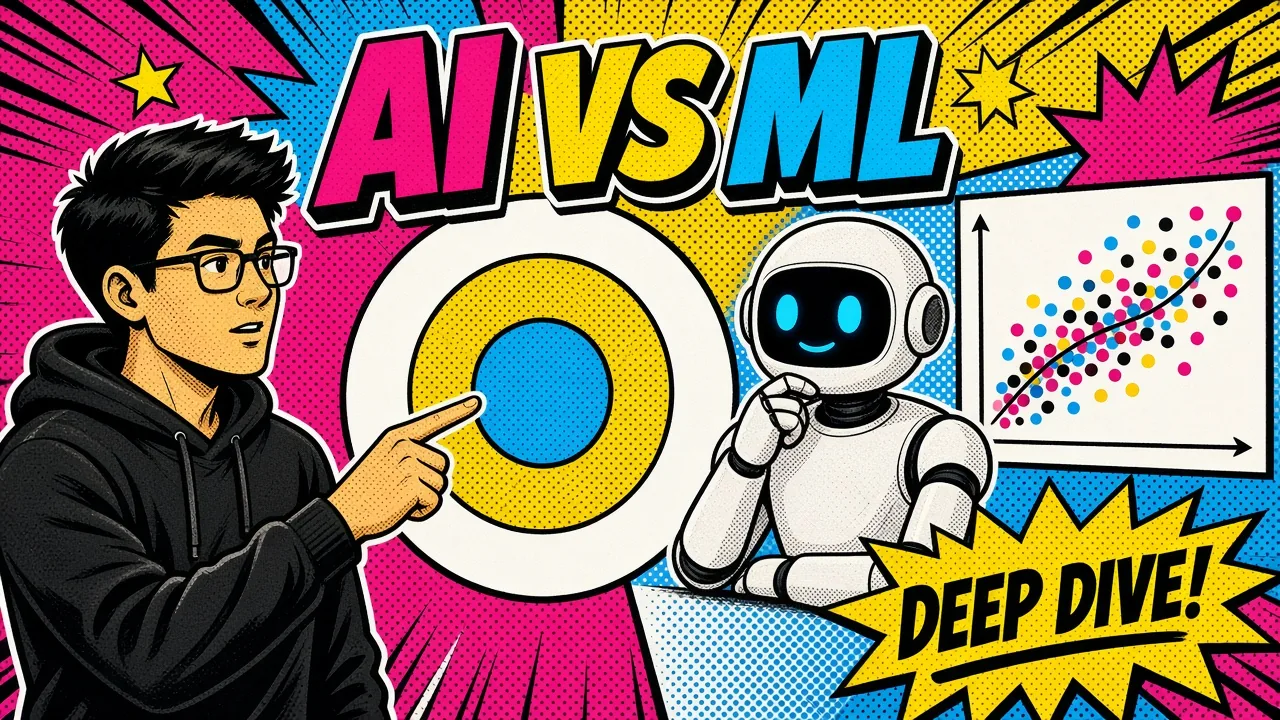 AI
AIAI vs machine learning: an engineering deep dive
AI is the umbrella, machine learning is the engine. See how the distinction shapes your RAG pipelines, agentic systems, and Laravel or Shopify architecture.
Read post →
-
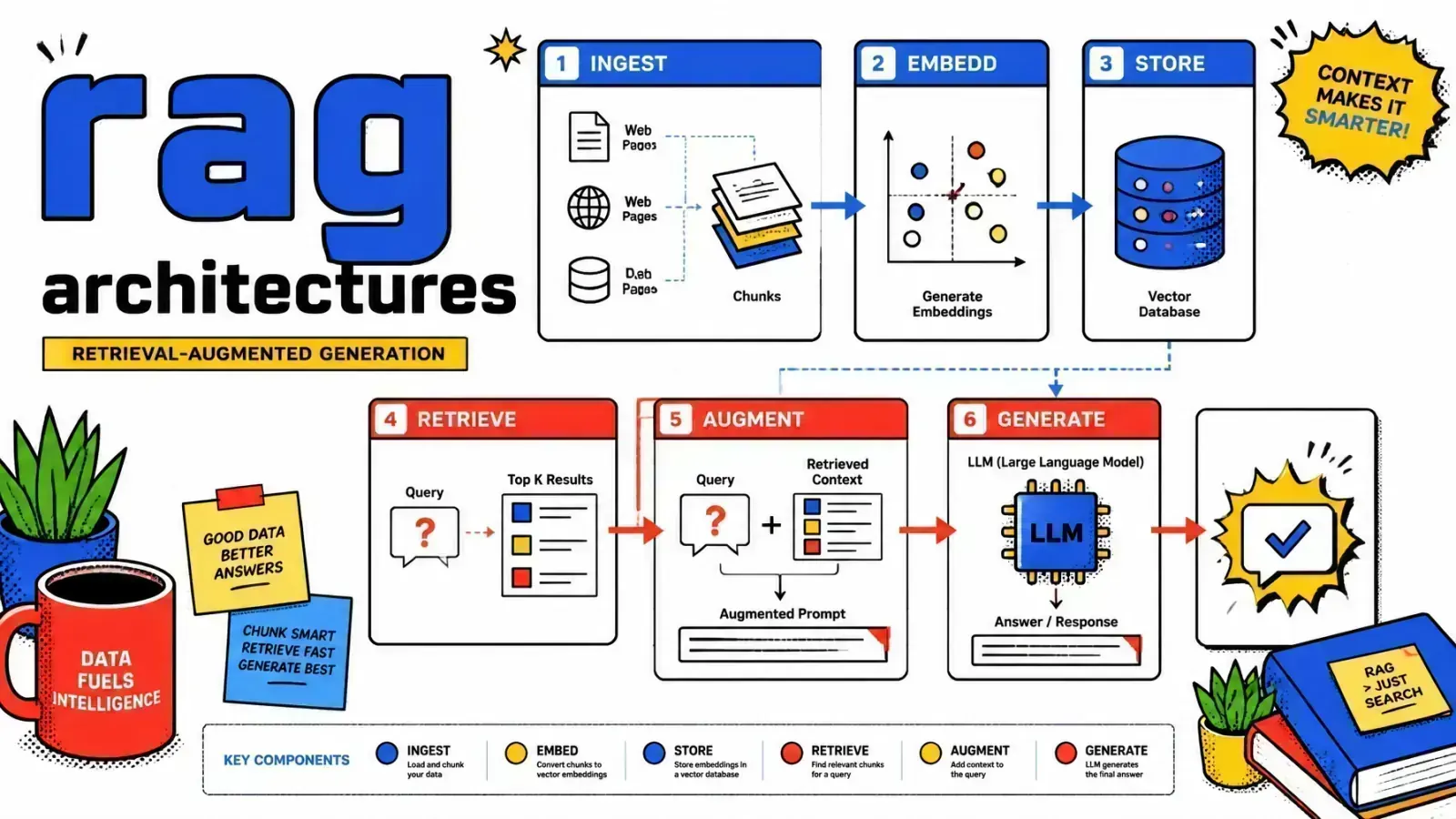 AI
AIRAG architectures: traditional, agentic, corrective
Compare traditional, agentic, and corrective RAG architectures, with the latency, cost, and accuracy trade-offs that decide which fits your AI app.
Read post →
-
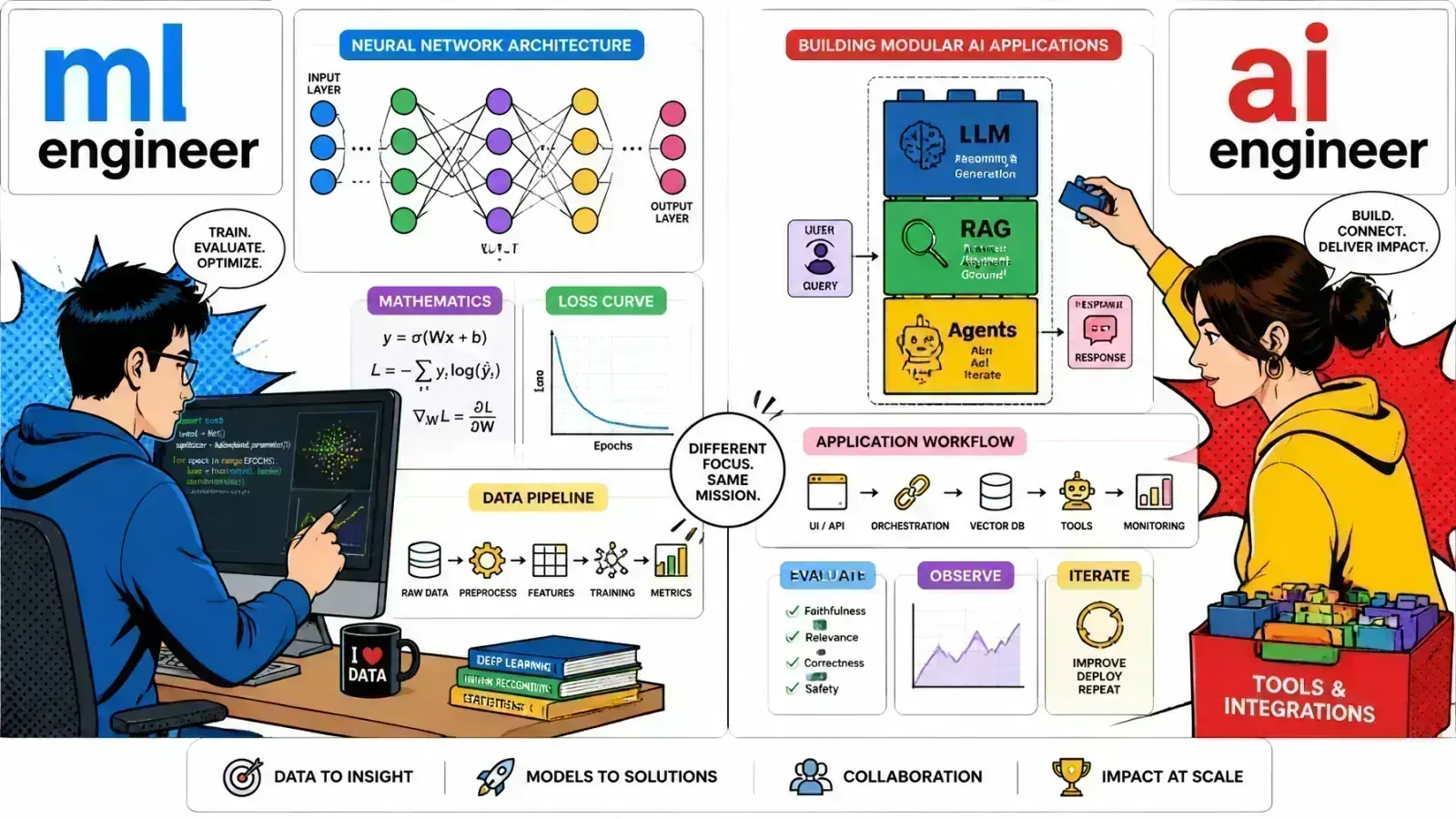 AI
AIML engineer vs AI engineer
ML engineer vs AI engineer: who trains the model, who orchestrates the system, their diverging toolsets, and which role your AI roadmap actually needs.
Read post →
-
 AI
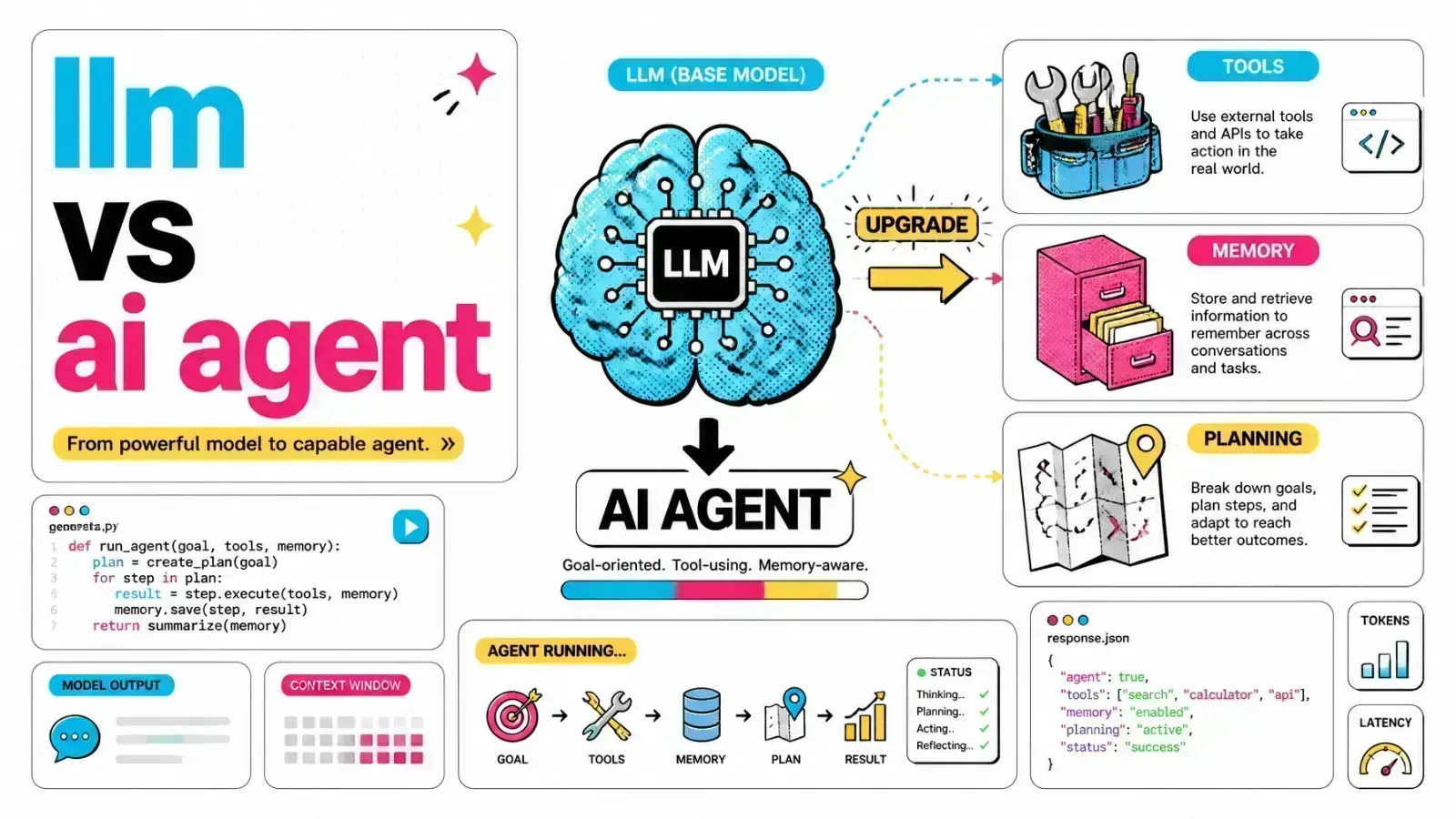
AILLM vs AI agent: from prompts to action
The architectural shift from LLMs to autonomous AI agents. How memory, tool-use, and planning turn a stateless model into a system that takes action.
Read post →
-
 Architecture
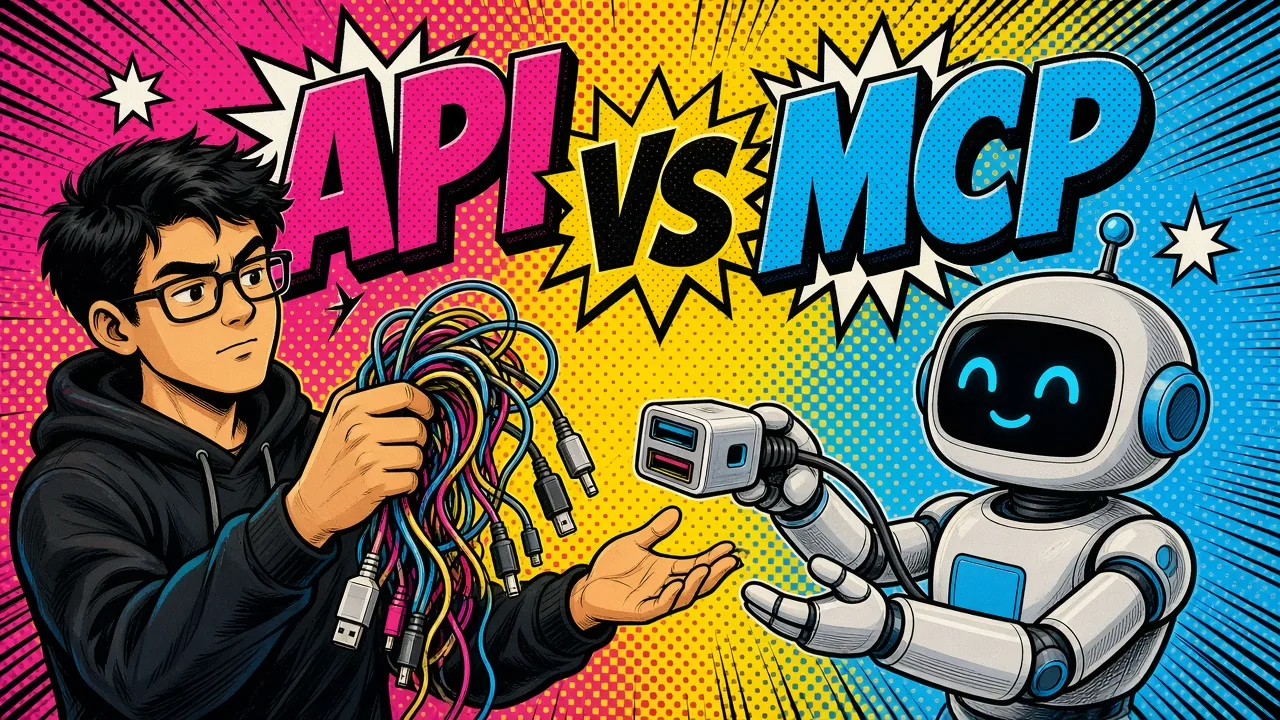
API vs MCP: connecting AI systems
The core differences between traditional APIs and the Model Context Protocol (MCP), and when to use each to build scalable, agentic AI systems.
Read post →
-
 Shopify
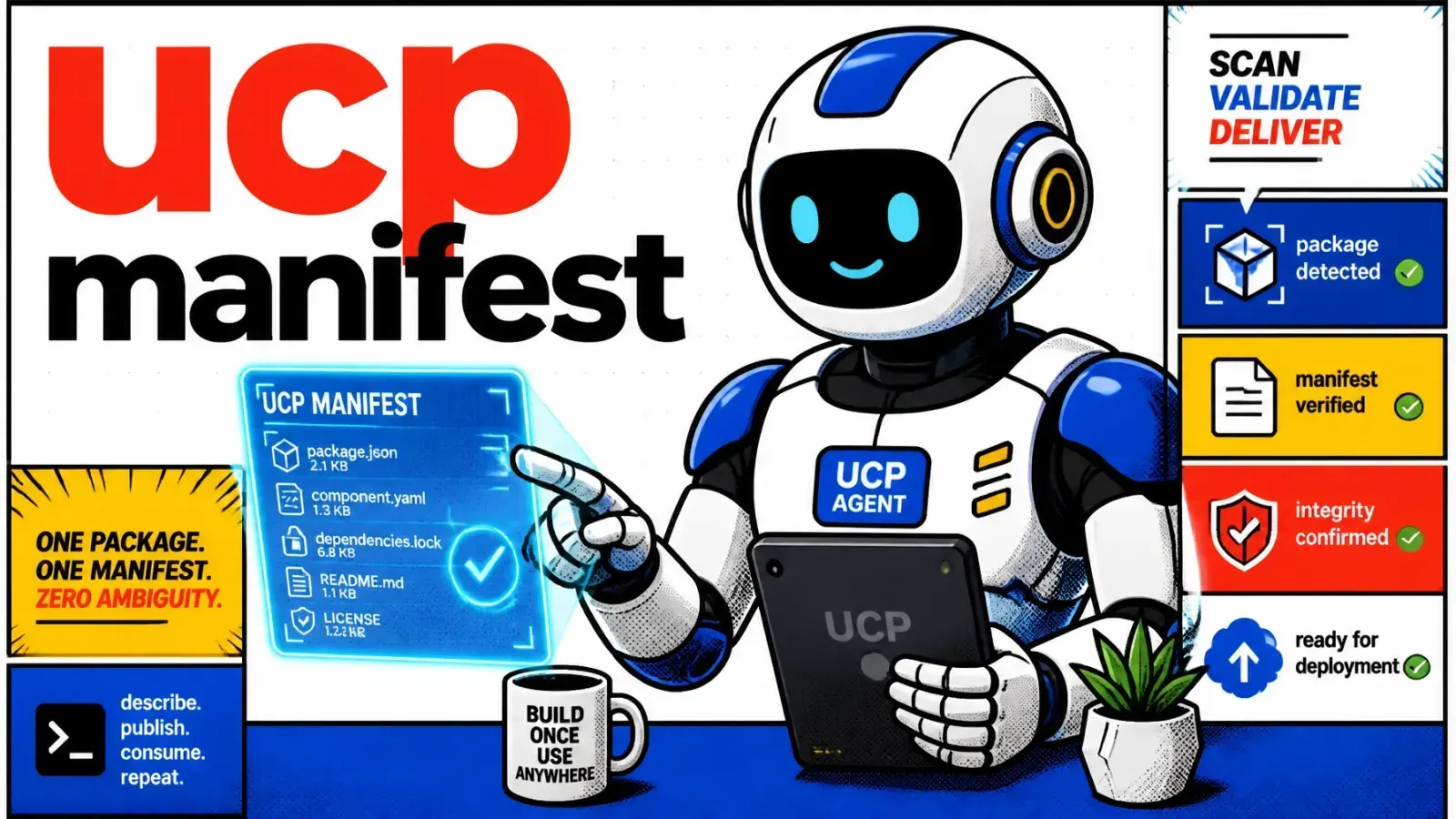
Shopify UCP quick-start: make your store agent-ready
AI agents are becoming buyers, and they look for a UCP profile before they can check out. A quick-start to making your Shopify store agent-ready.
Read post →
-
 AI
AIClaude MCP: connecting my dev tools to LLMs
The Model Context Protocol is a USB-C port for LLMs: one MCP server, any host, no MxN integration tax. The architecture, the servers I run, and why it is safe.
Read post →
-
 Shopify
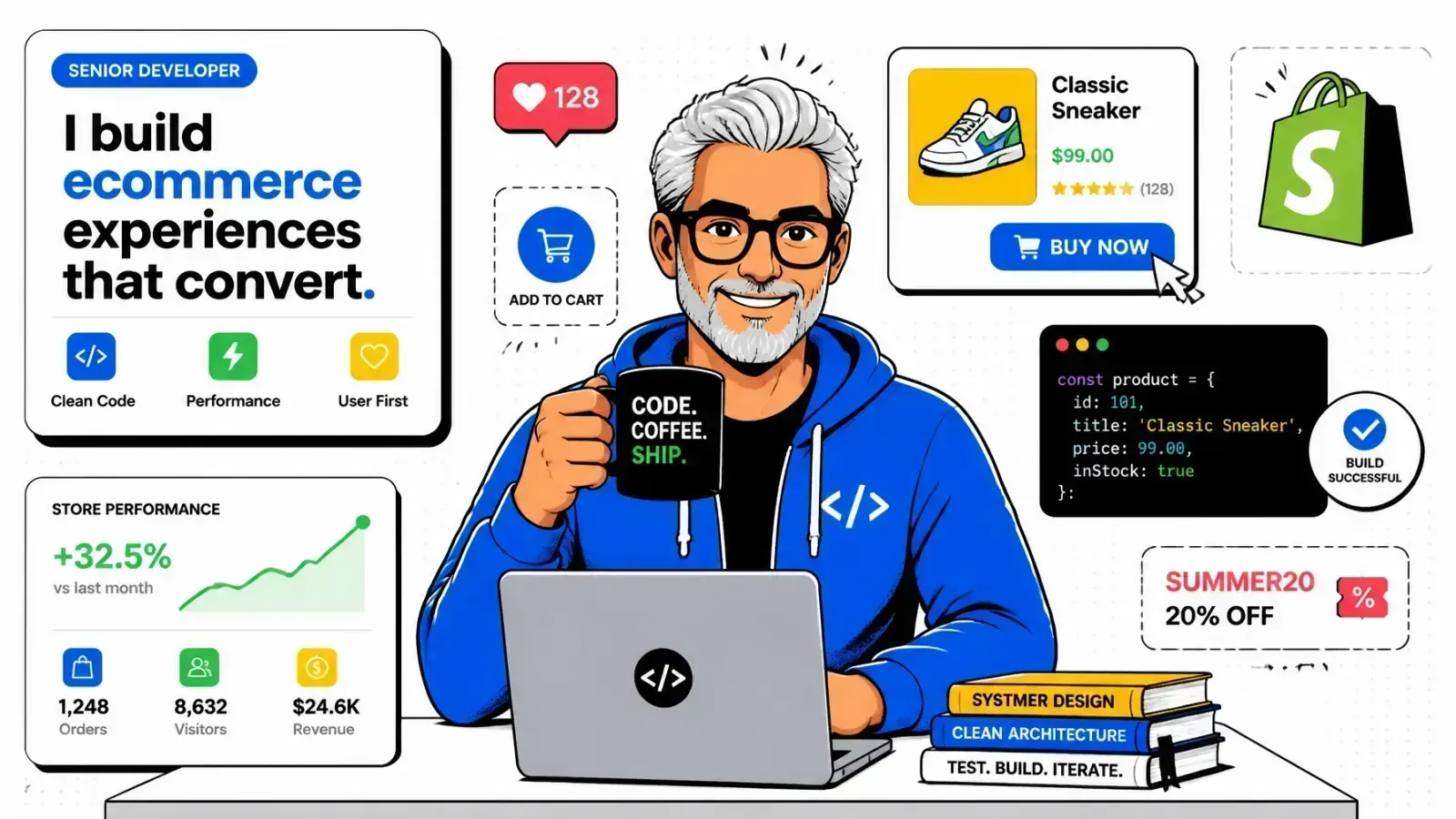
Shopify Storefront Web Components: headless light
Headless used to mean six engineers and a Hydrogen rebuild. Shopify Storefront Web Components drop products, collections, and cart into any page with a script.
Read post →
-
 AI
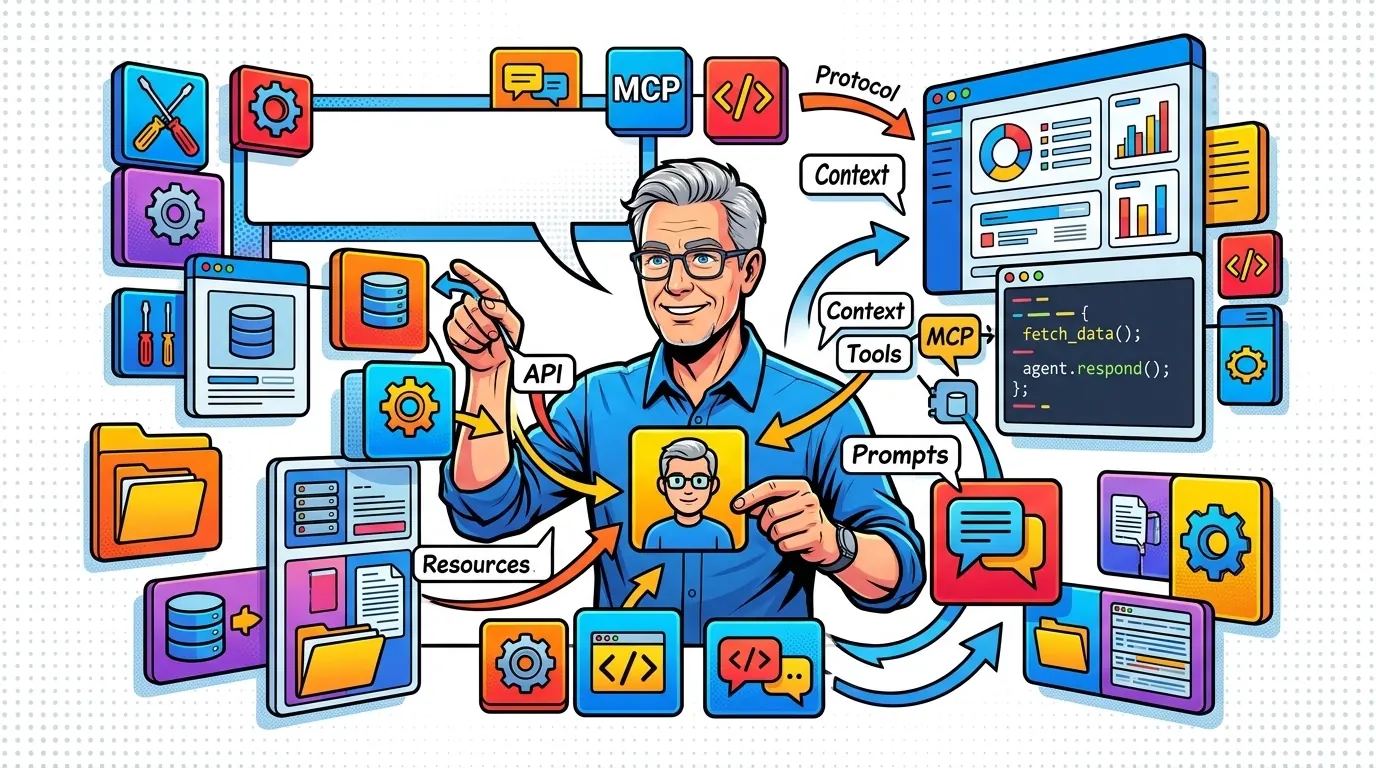
AIMCP tool-use: building context-aware agents
Build context-aware agents with MCP. How tools, resources, and prompts let one server talk to any client and retire brittle one-off integrations for good.
Read post →
-
 Architecture
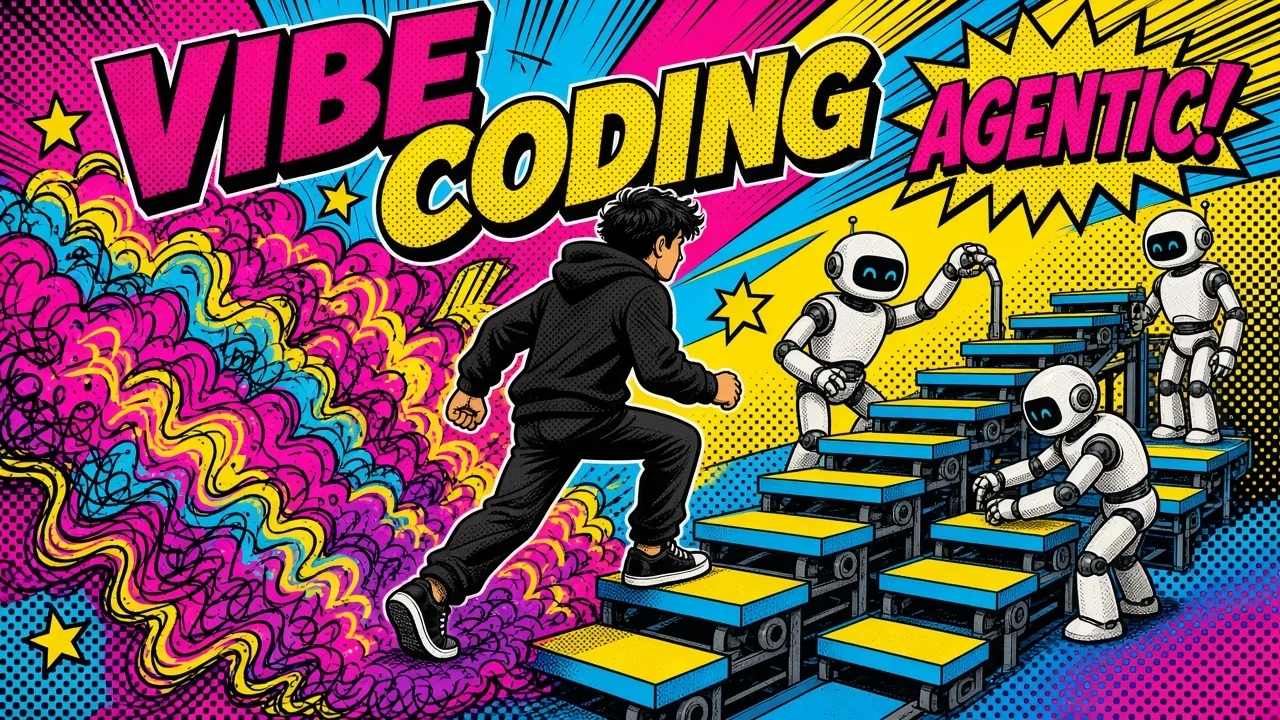
Vibe coding: the shift to agentic workflows
MCP, agentic loops, and intent-based engineering. How vibe coding becomes a real architecture pattern, plus the Laravel and MCP stack I run today.
Read post →