▸ Tag · #rag
RAG.
Retrieval-augmented generation that survives production: chunking, hybrid search, reranking, and the failure modes that only appear at scale.
-
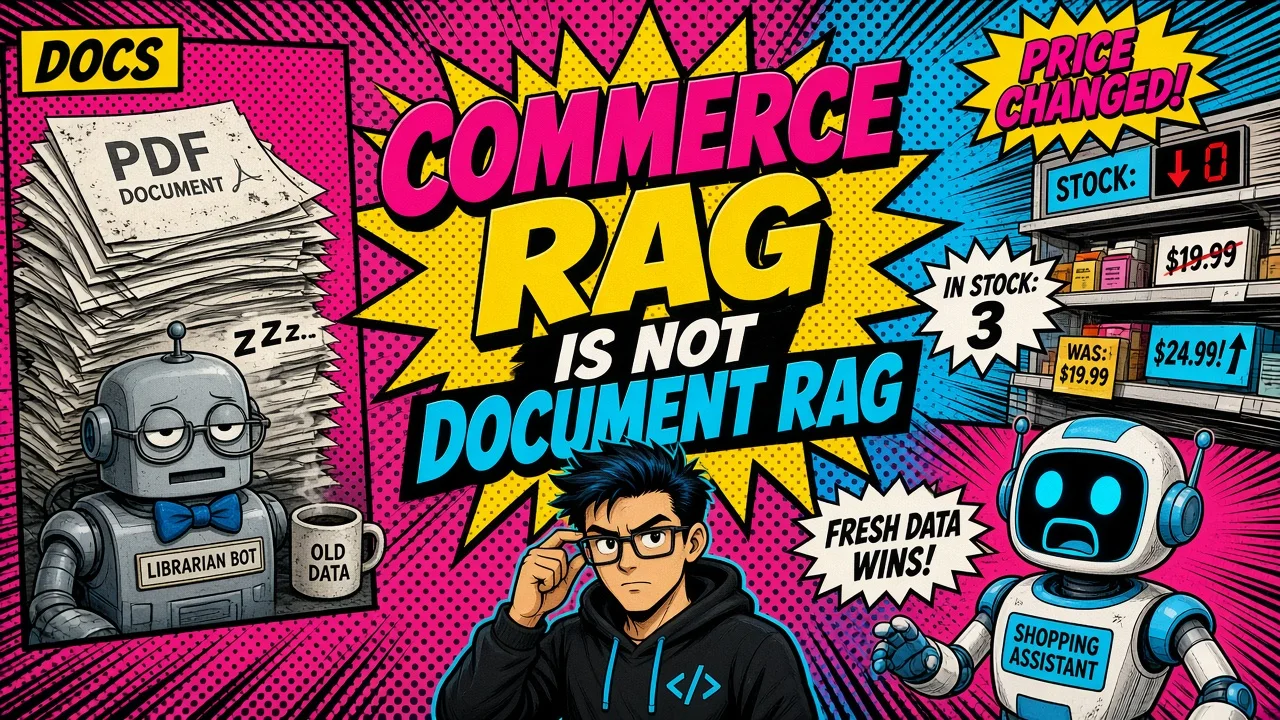 Shopify
Commerce RAG is not document RAG
Shopify Plus catalog RAG needs hybrid lexical plus vector search, then commerce ranking on stock, velocity, and margin. Not LangChain on PDFs.
Read post →
-
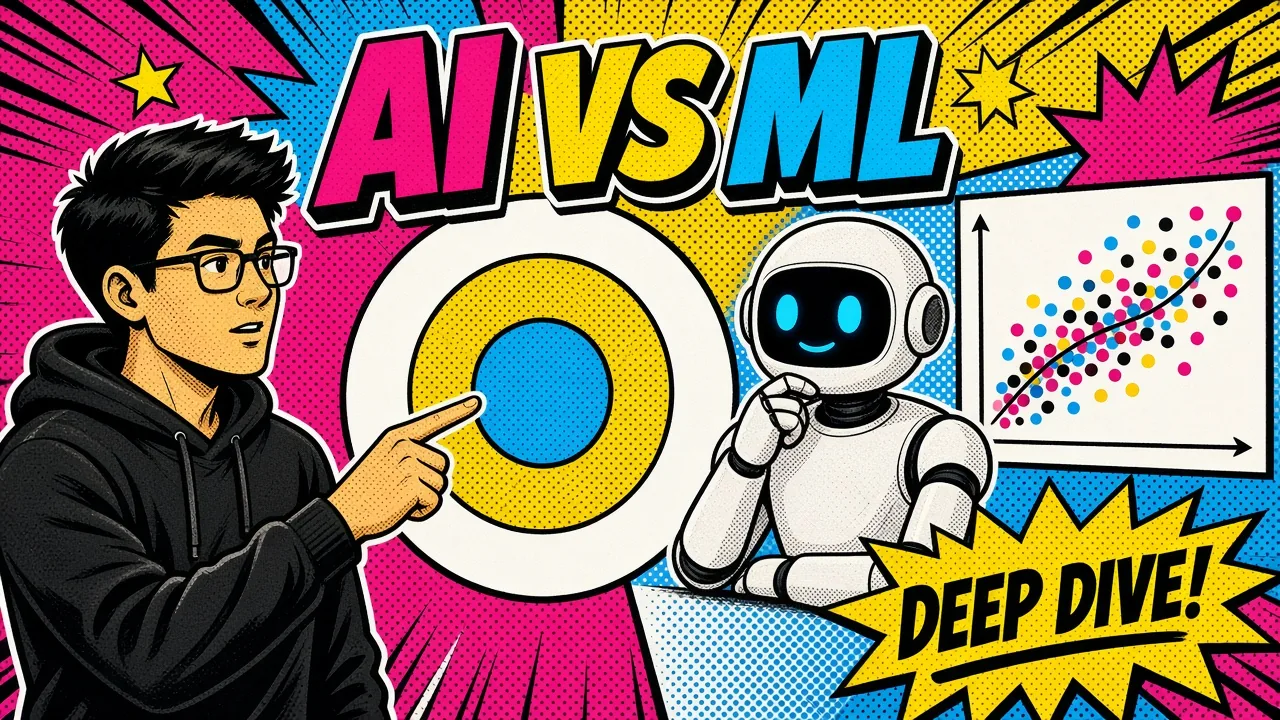 AI
AIAI vs machine learning: an engineering deep dive
AI is the umbrella, machine learning is the engine. See how the distinction shapes your RAG pipelines, agentic systems, and Laravel or Shopify architecture.
Read post →
-
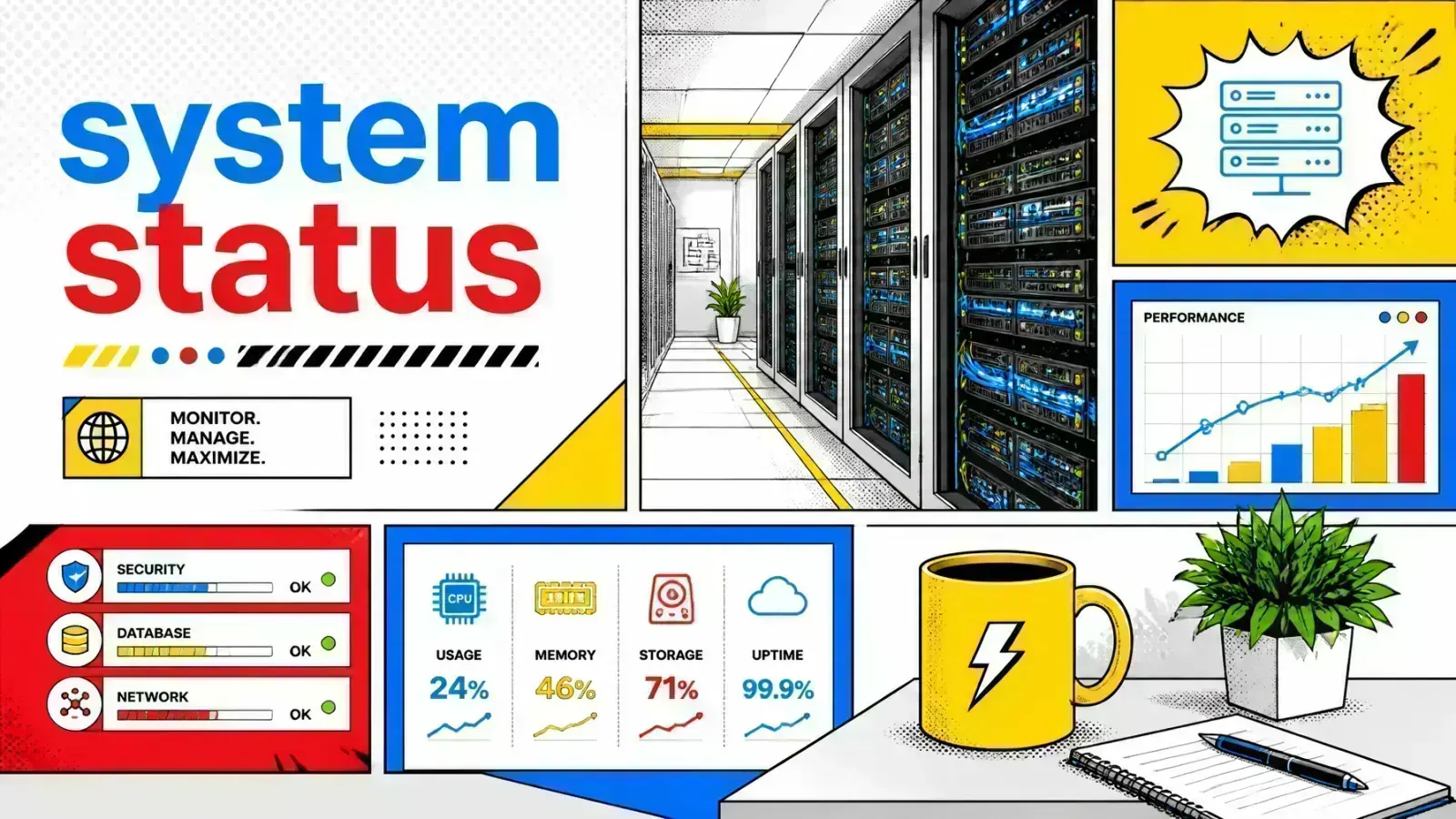 AI
AITraining vs inference: scaling AI systems
How training and inference differ in compute, cost, and hardware, and how to architect each phase so your AI app stays fast and affordable at scale.
Read post →
-
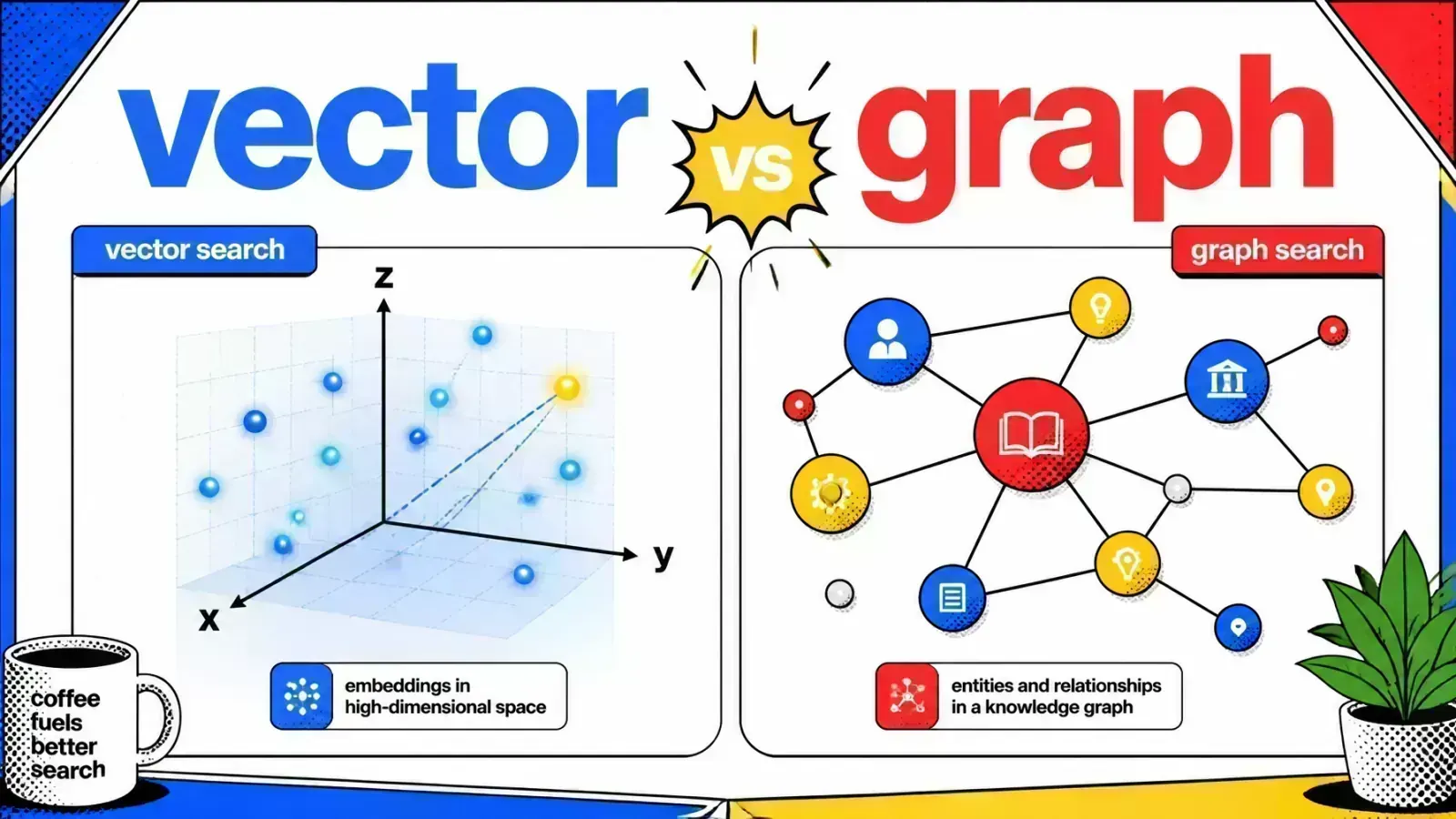 AI
AIVector search vs graph search for RAG
Compare vector search and graph search for RAG. When to use embeddings via pgvector vs relationship-based knowledge graphs, and why GraphRAG often wins.
Read post →
-
 AI
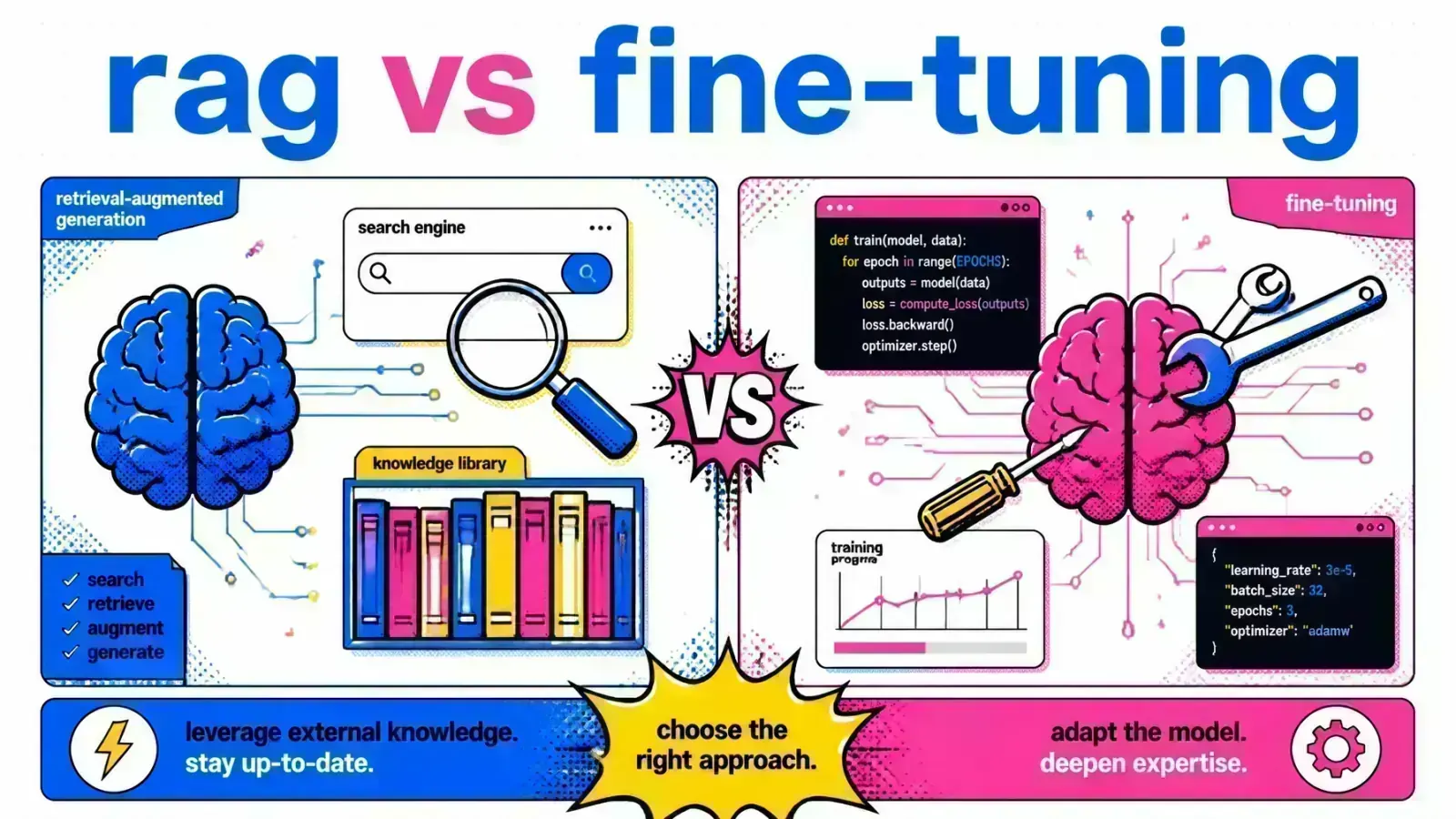
AIRAG vs fine-tuning: choosing your AI architecture
RAG vs fine-tuning for production LLMs: knowledge vs behavior, latency, cost, privacy, and the hybrid approach. How to pick the right AI architecture.
Read post →
-
 AI
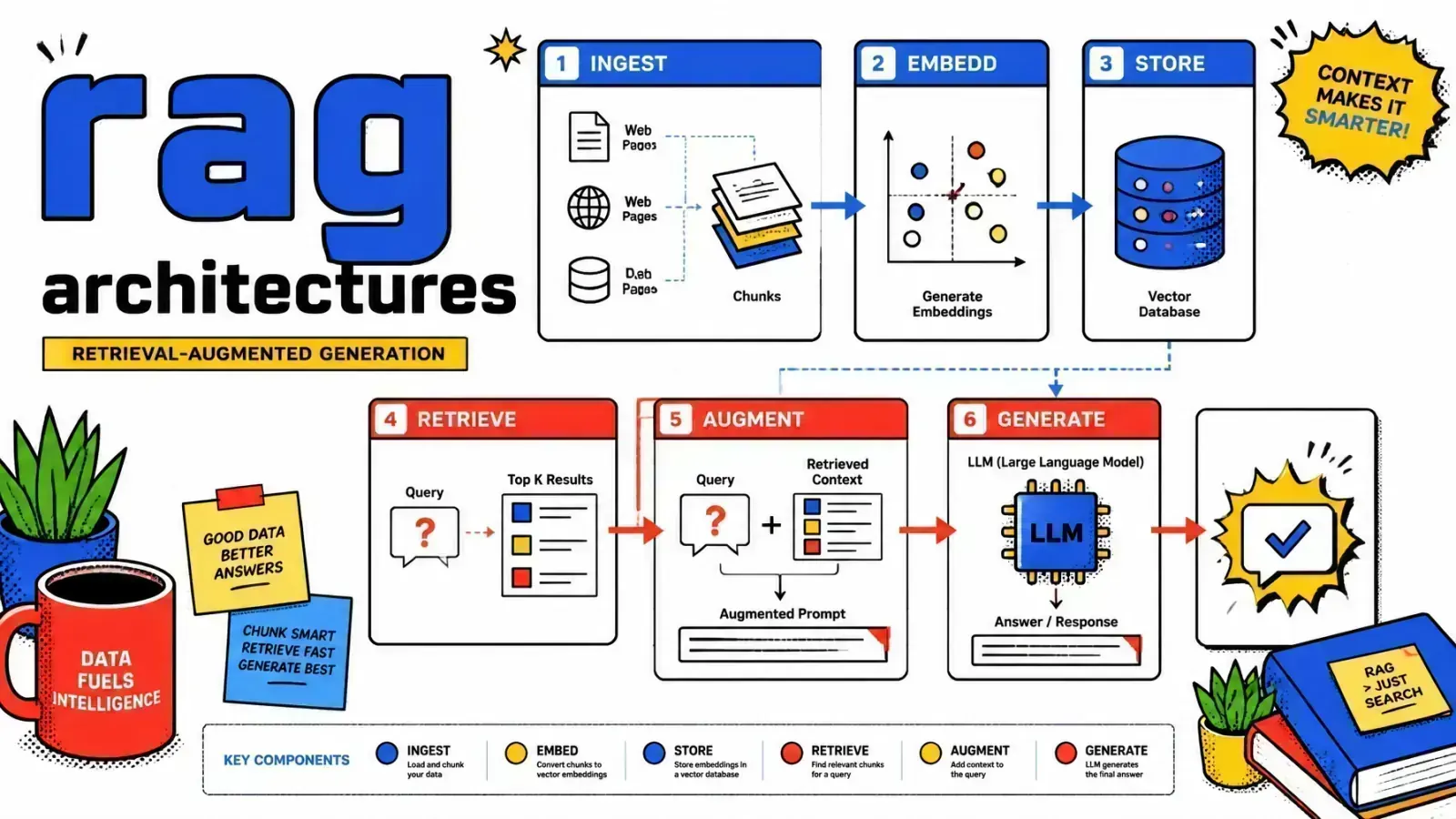
AIRAG architectures: traditional, agentic, corrective
Compare traditional, agentic, and corrective RAG architectures, with the latency, cost, and accuracy trade-offs that decide which fits your AI app.
Read post →
-
 AI
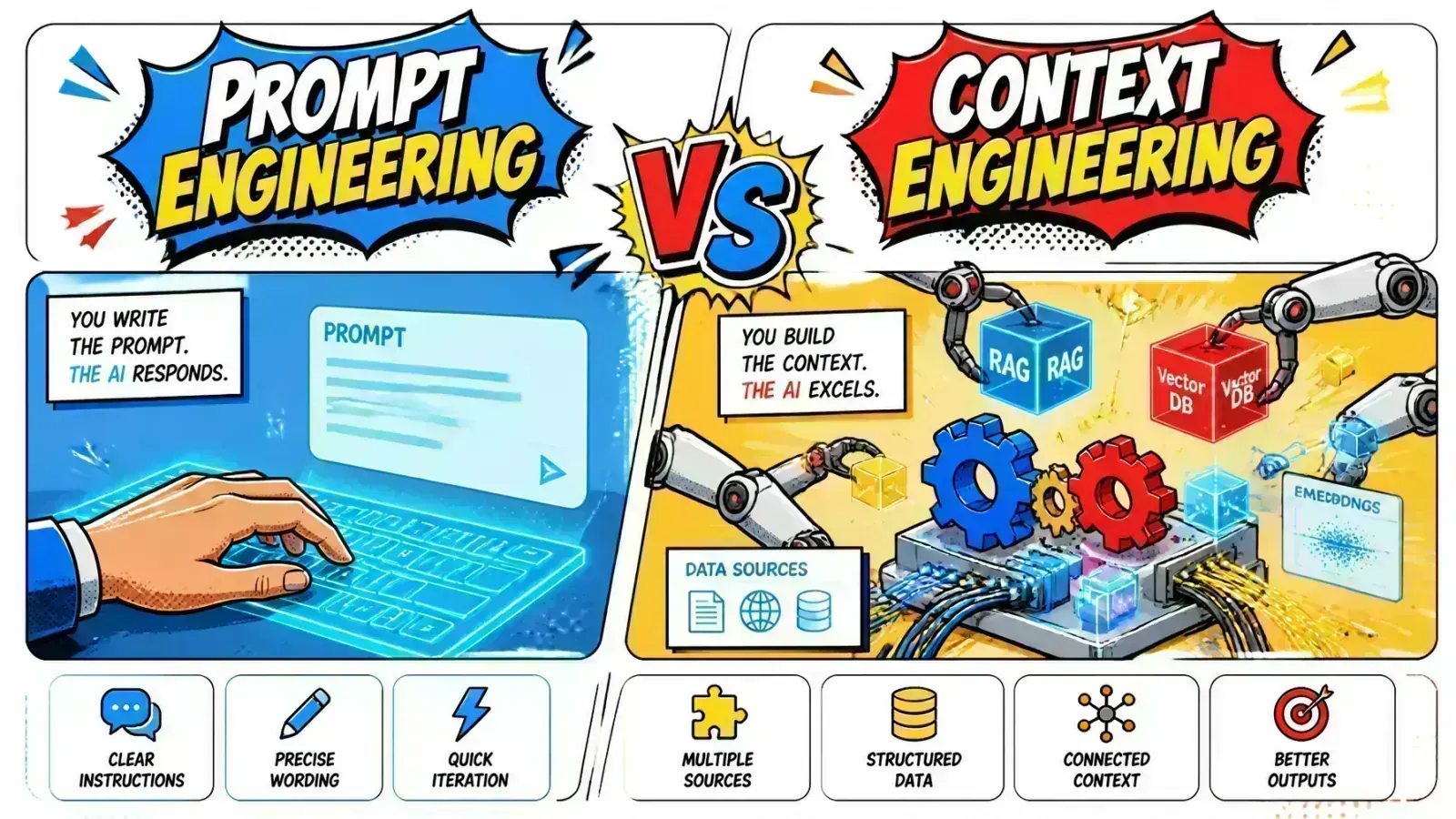
AIPrompt engineering vs context engineering
The shift from instruction design to data infrastructure: how context engineering uses RAG, MCP and memory to build accurate AI systems.
Read post →
-
 AI
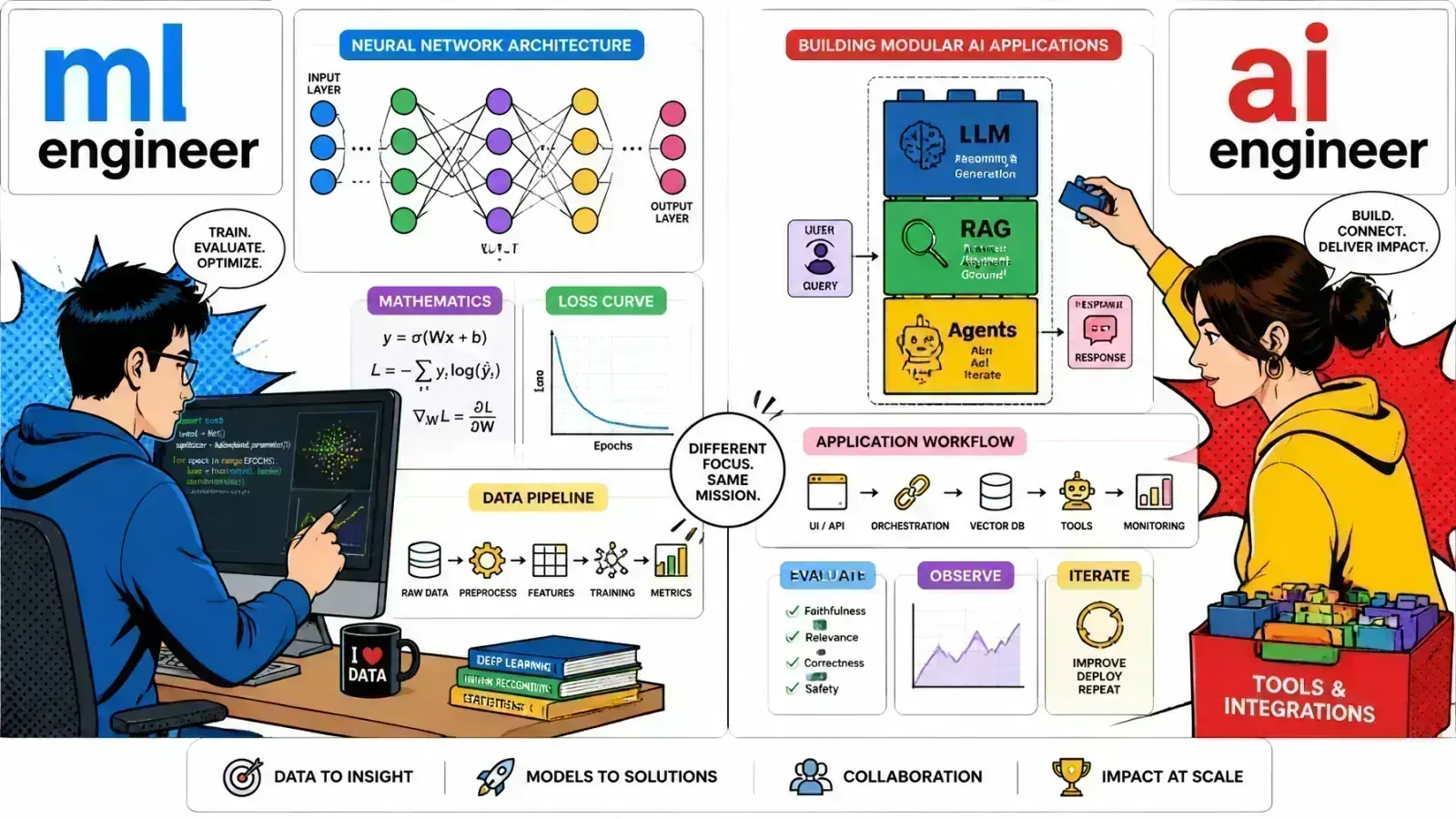
AIML engineer vs AI engineer
ML engineer vs AI engineer: who trains the model, who orchestrates the system, their diverging toolsets, and which role your AI roadmap actually needs.
Read post →
-
 AI
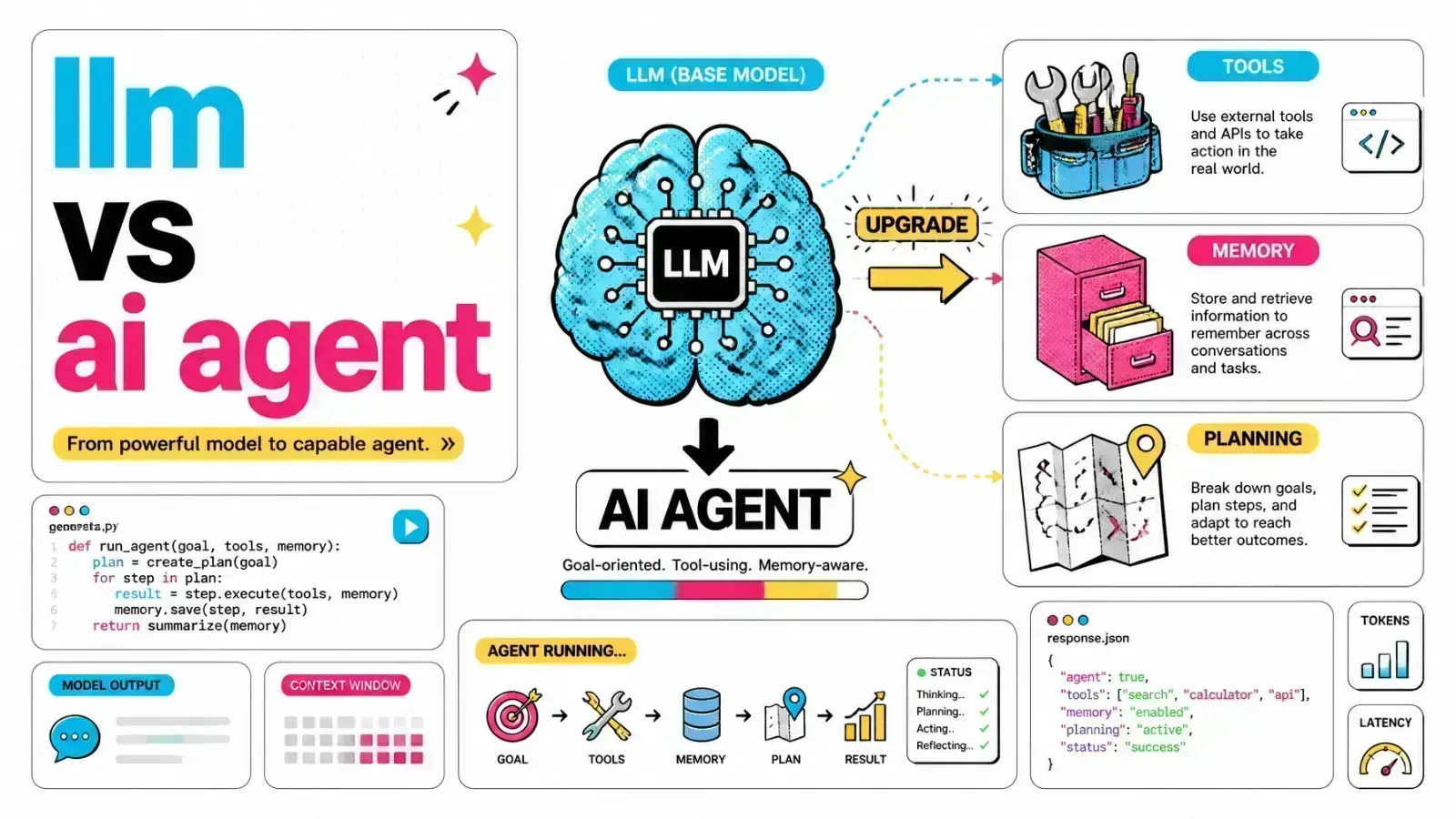
AILLM vs AI agent: from prompts to action
The architectural shift from LLMs to autonomous AI agents. How memory, tool-use, and planning turn a stateless model into a system that takes action.
Read post →
-
 AI
AIContext window vs memory: building AI that remembers
Stop context-stuffing your LLM prompts. The difference between the context window and persistent memory, and how RAG + pgvector scale AI agents affordably.
Read post →
-
 AI
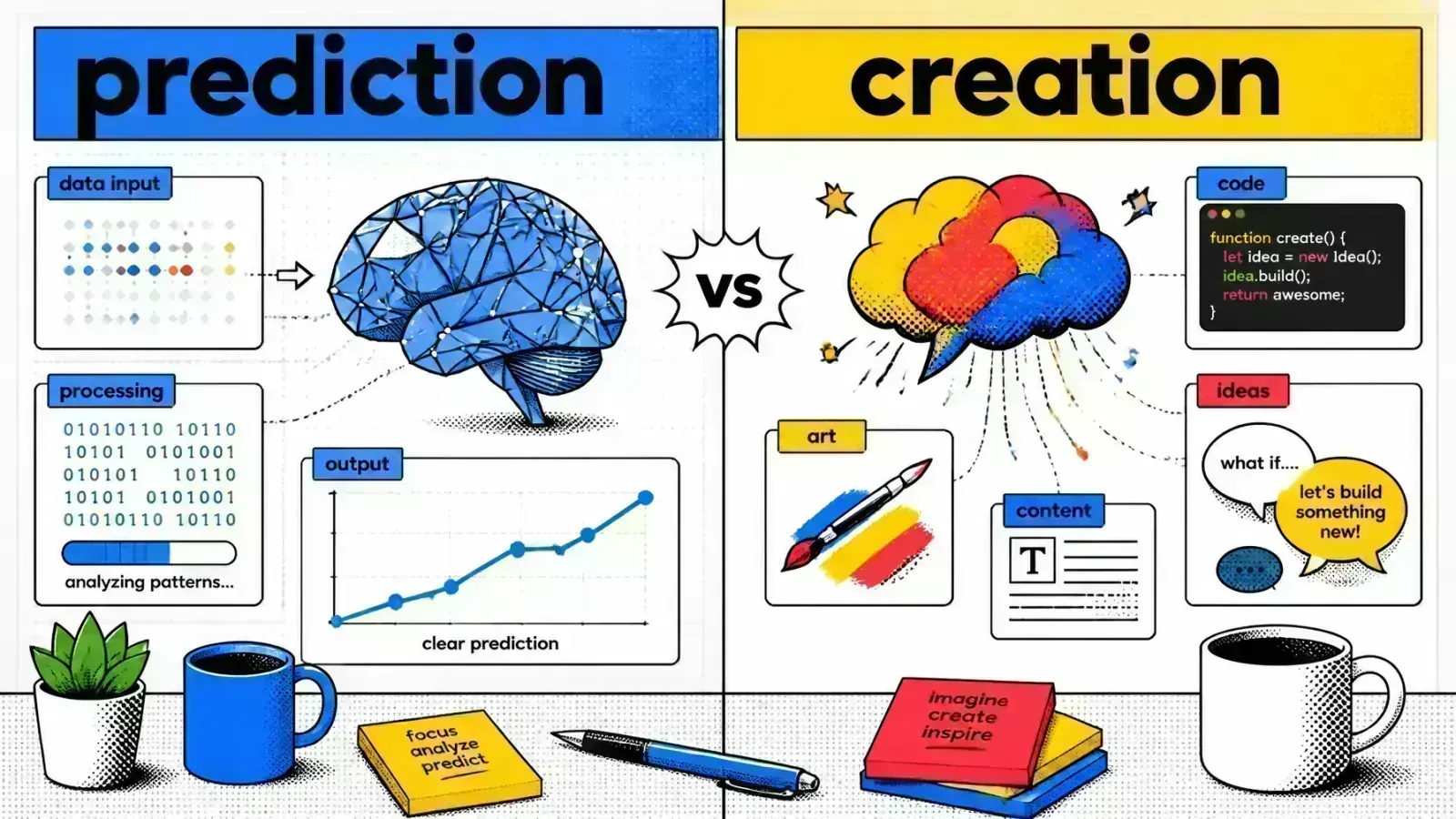
AIMachine learning vs generative AI
Machine Learning predicts; Generative AI creates. The discriminative-vs-generative split decides your architecture, infra, and monthly cloud bill.
Read post →
-
 Architecture
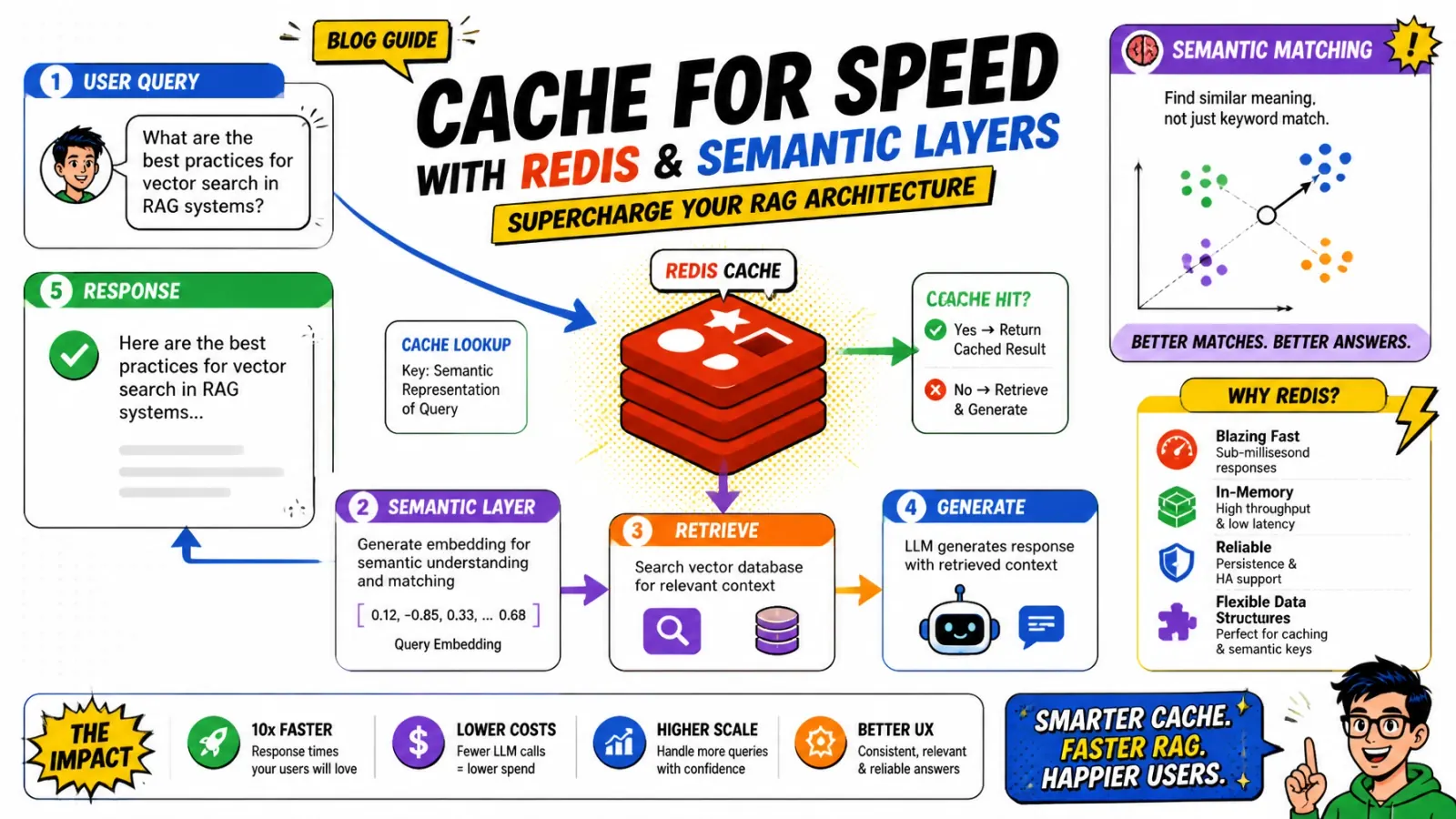
Caching for speed: Redis and semantic layers in RAG
Stop paying for the same LLM call twice. Two-tier caching with Redis keys and RedisVL semantic lookups slashes RAG latency and trims your LLM API bill.
Read post →
-
 Architecture
Circuit breakers: stopping vector DB failures
A slow vector DB kills SaaS faster than a dead one. The circuit-breaker pattern for AI infra: states, fallback tiers, and Laravel-friendly wiring.
Read post →
-
 Architecture
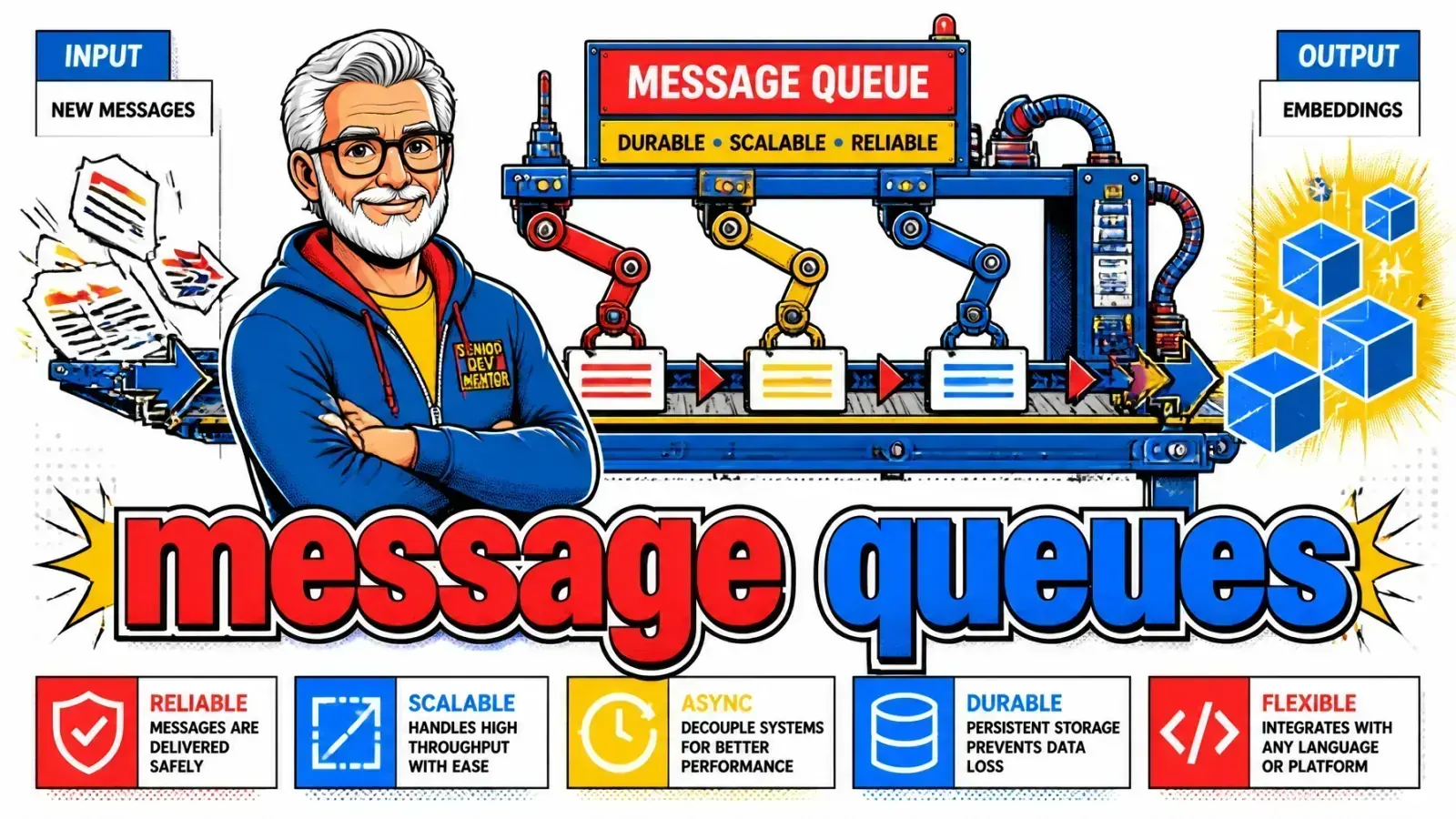
Message queues for heavy-duty document processing
Stop running embeddings in the request cycle. Build a document pipeline on message queues with staged workers, retries, dead-letter queues, and autoscaling.
Read post →
-
 Architecture
Rate limiting: protecting your AI wallet
One runaway agent loop can mean a $5,000 LLM bill. Why request-per-second limits lie, and how hierarchical token-bucket limits protect your margins.
Read post →
-
 Architecture
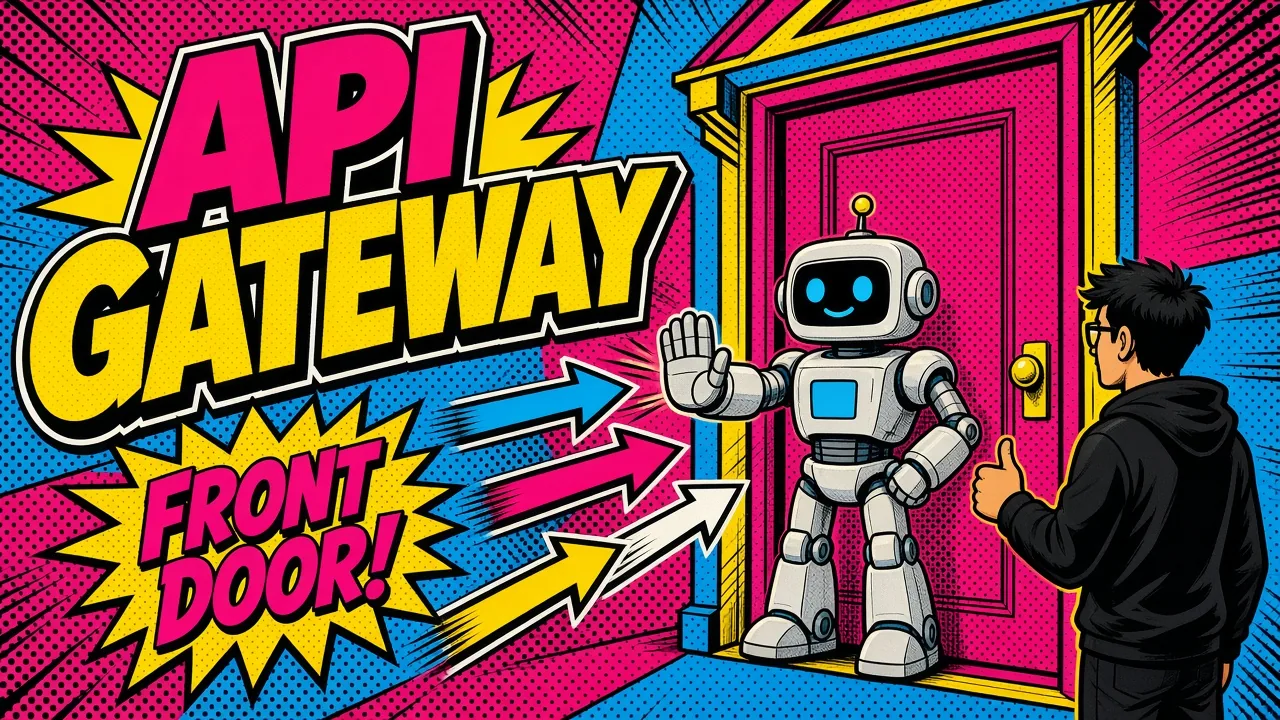
API gateway: the front door of your AI stack
Stop exposing LLM providers to your frontend. The API gateway pattern for AI apps: tenant isolation, model aliases, rate limiting, and streaming-safe timeouts.
Read post →
-
 AI
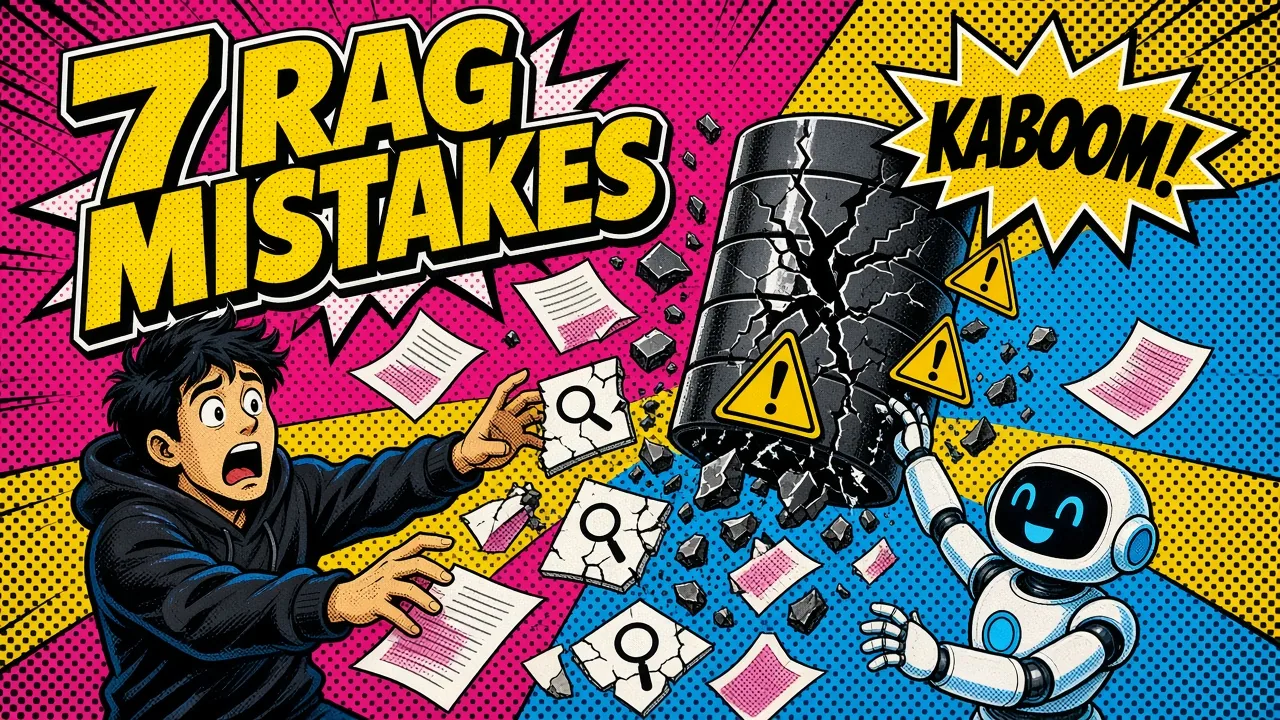
AI7 mistakes wrecking your production RAG stack
Naive chunking, no reranker, embedding drift, latency blowups: the structural mistakes that wreck a production RAG stack, and the fixes that ship.
Read post →
-
 AI
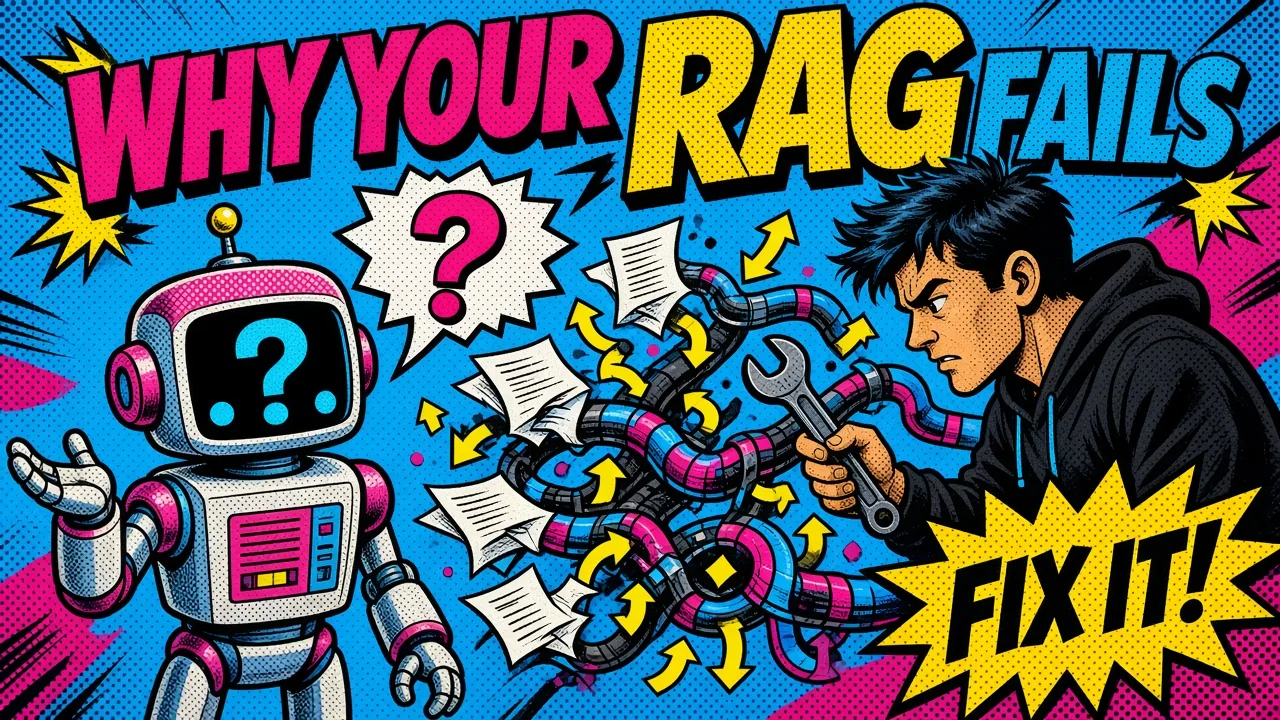
AIWhy your RAG implementation is failing in production
Vector-only retrieval quietly breaks production RAG. Hybrid search, BM25, rank fusion, re-rankers and evals: the fixes that make it reliable.
Read post →
-
 AI
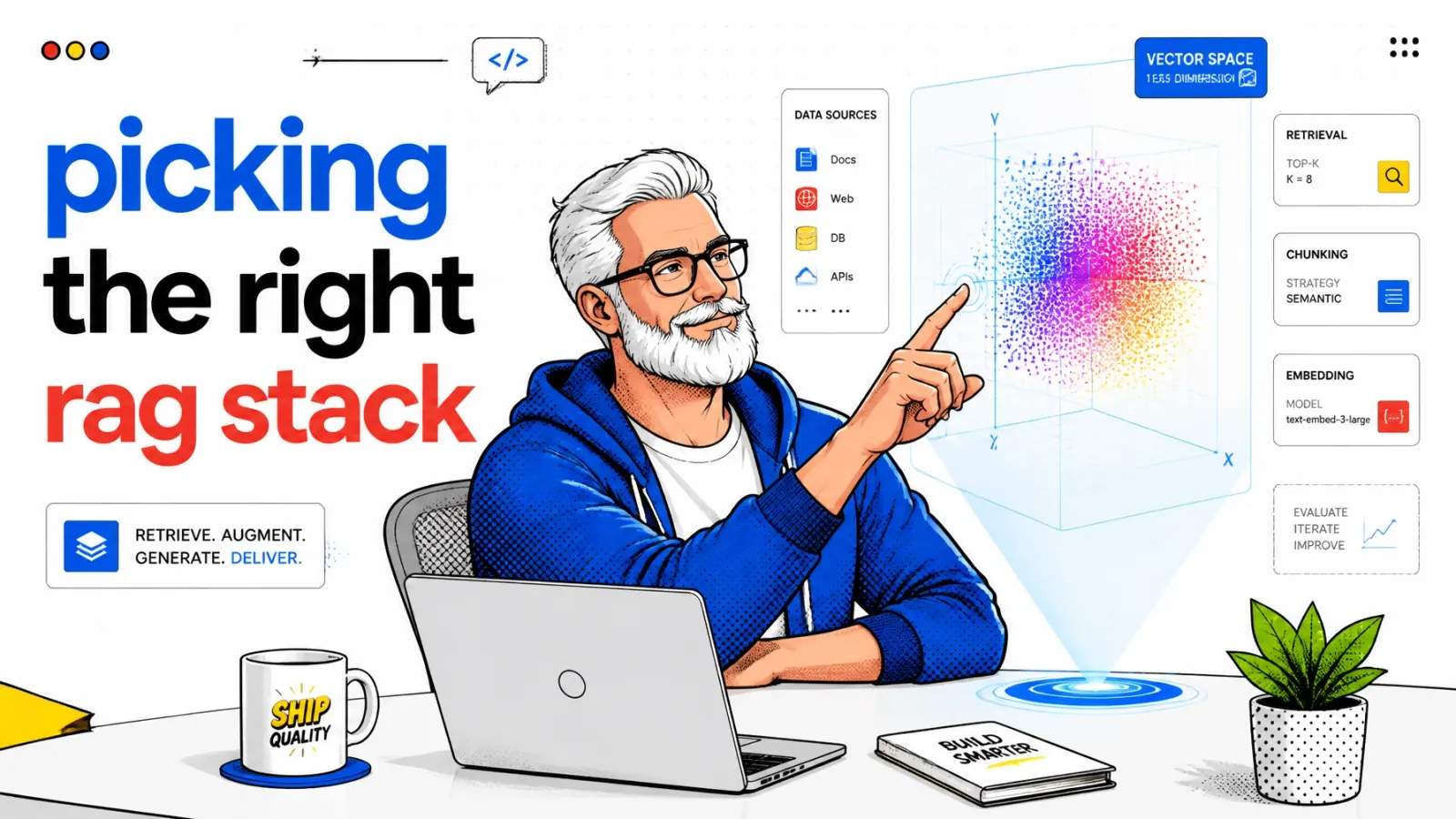
AIPicking the right RAG stack: vector databases for AI
pgvector, Pinecone, Weaviate, Qdrant: a 2026 field guide to picking the right vector store for your AI app, with hybrid search and scaling tips.
Read post →