▸ Tag · #infrastructure
Infrastructure.
The layer under the app — compute, networking, storage sizing, and the cost and failure characteristics that arrive with each choice.
-
 DevOps
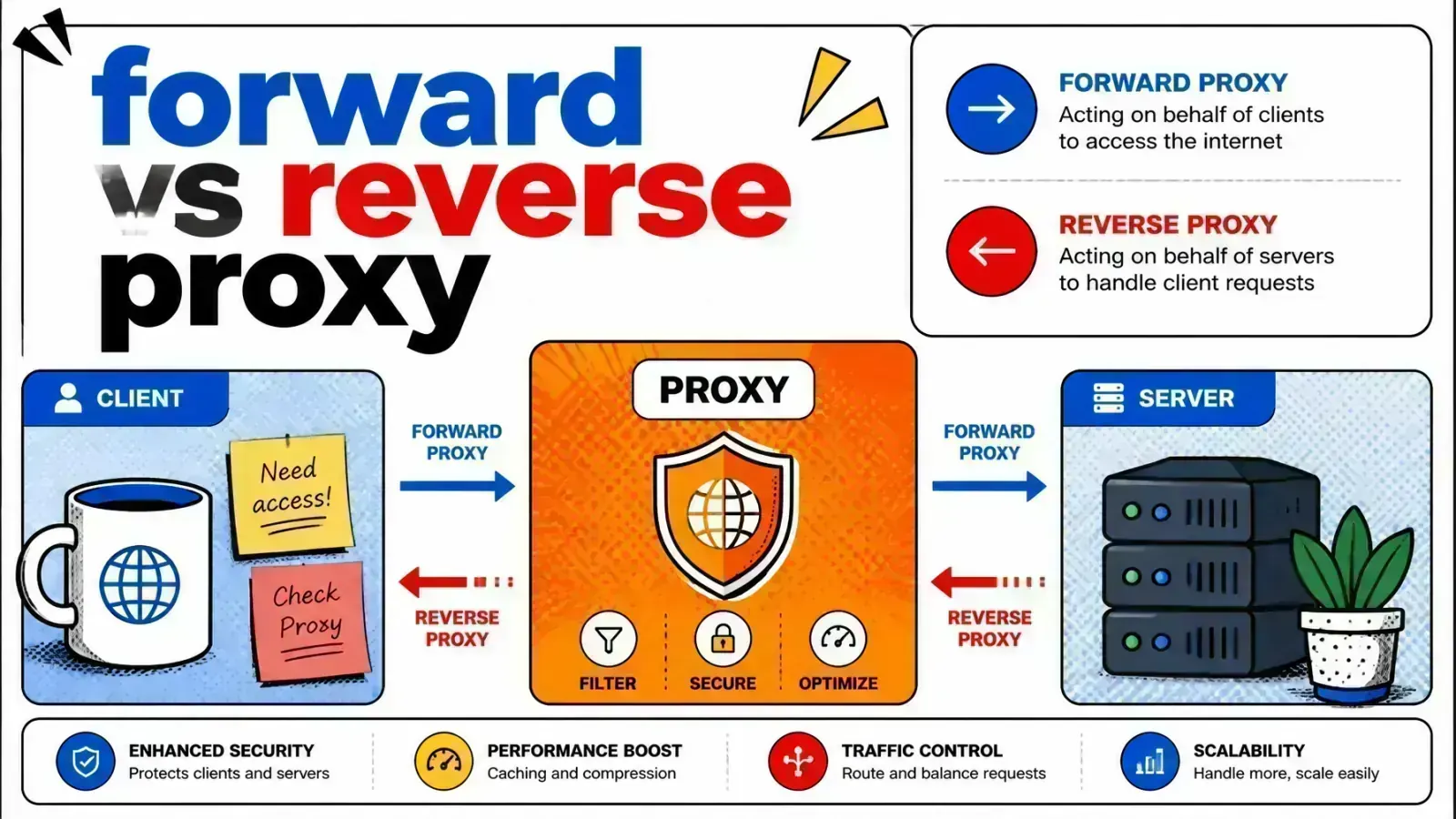
Forward proxy vs reverse proxy: the technical guide
A forward proxy hides the client; a reverse proxy hides the server. How traffic direction shapes your load balancing, SSL termination, and security design.
Read post →
-
 DevOps
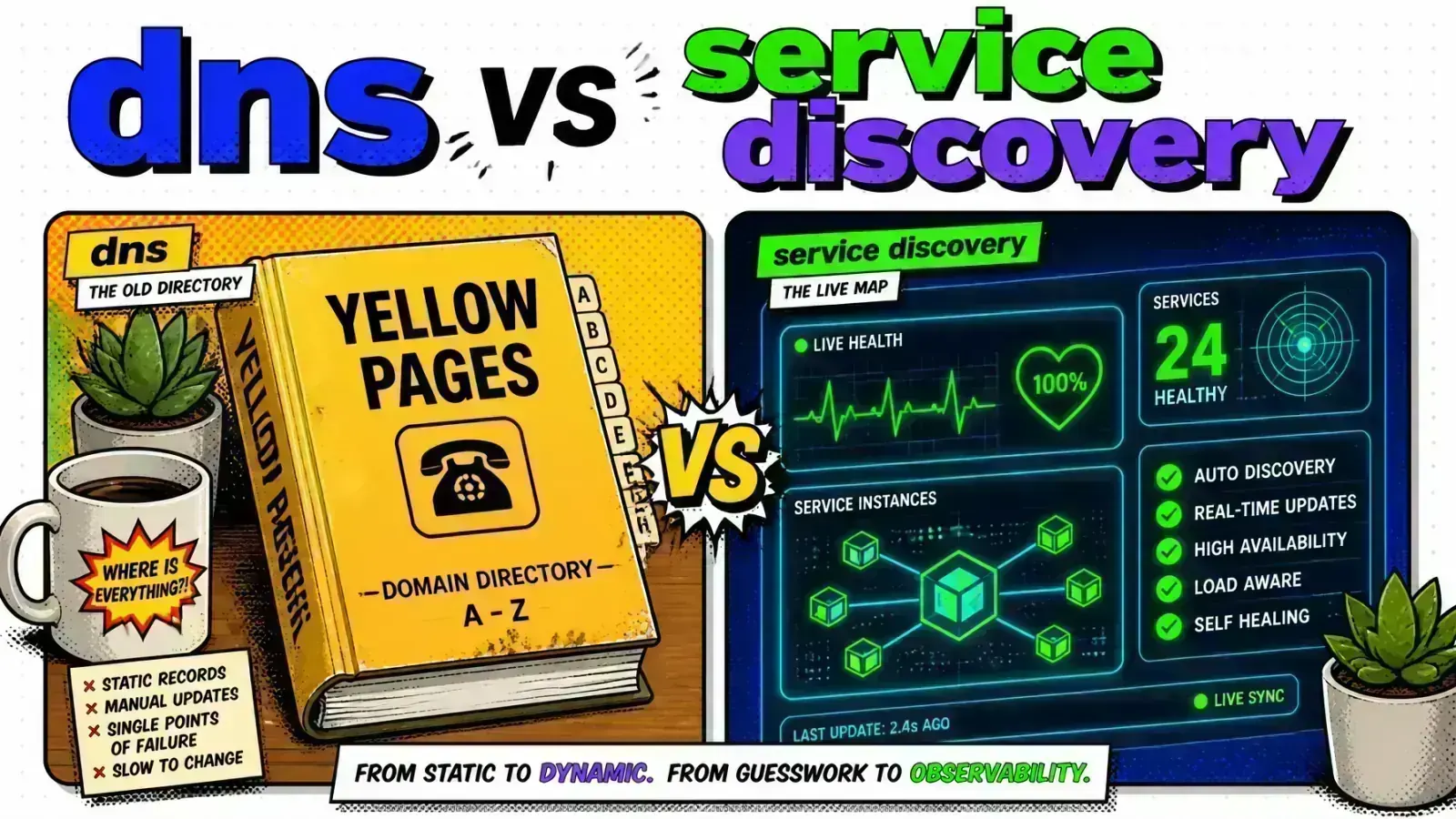
DNS vs service discovery
DNS was built for servers that live for years; microservices live for minutes. Why service discovery beats stale DNS records for high-churn systems.
Read post →
-
 DevOps
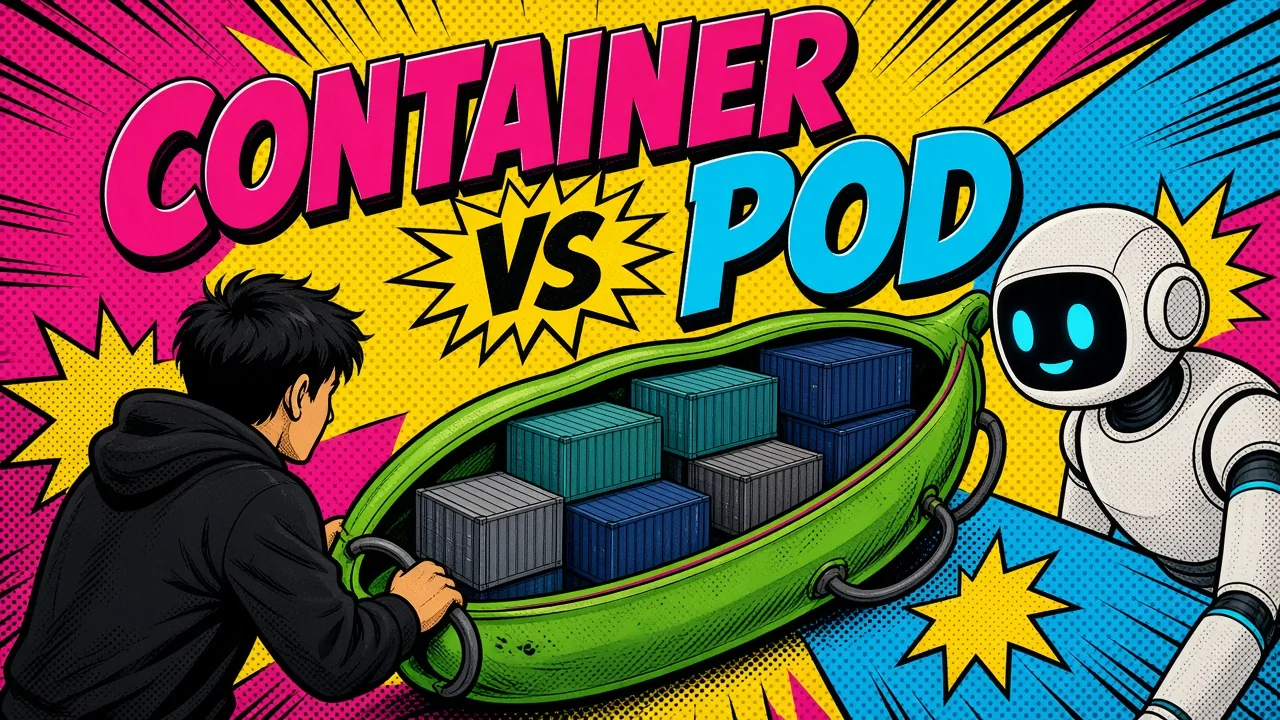
Container vs pod: the building blocks
A container is the package; a Pod is the execution environment. How Kubernetes Pods share networking and storage, and when sidecars earn their keep.
Read post →
-
 AI
AITraining vs inference: scaling AI systems
How training and inference differ in compute, cost, and hardware, and how to architect each phase so your AI app stays fast and affordable at scale.
Read post →
-
 DevOps
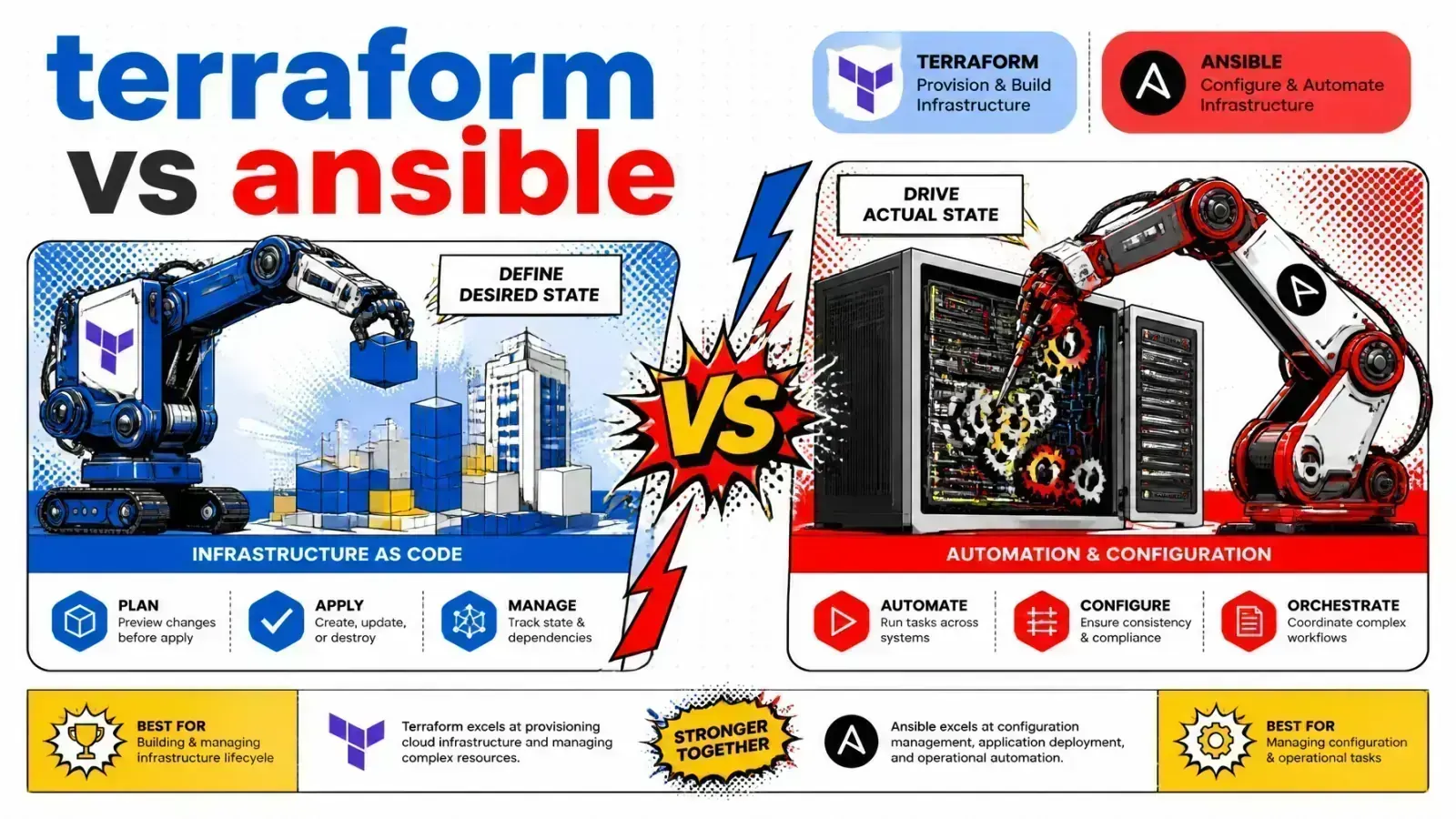
Terraform vs Ansible: the real difference in DevOps
Provisioning vs configuration management: the real difference between Terraform and Ansible, declarative vs procedural logic, and the hybrid workflow.
Read post →
-
 Career
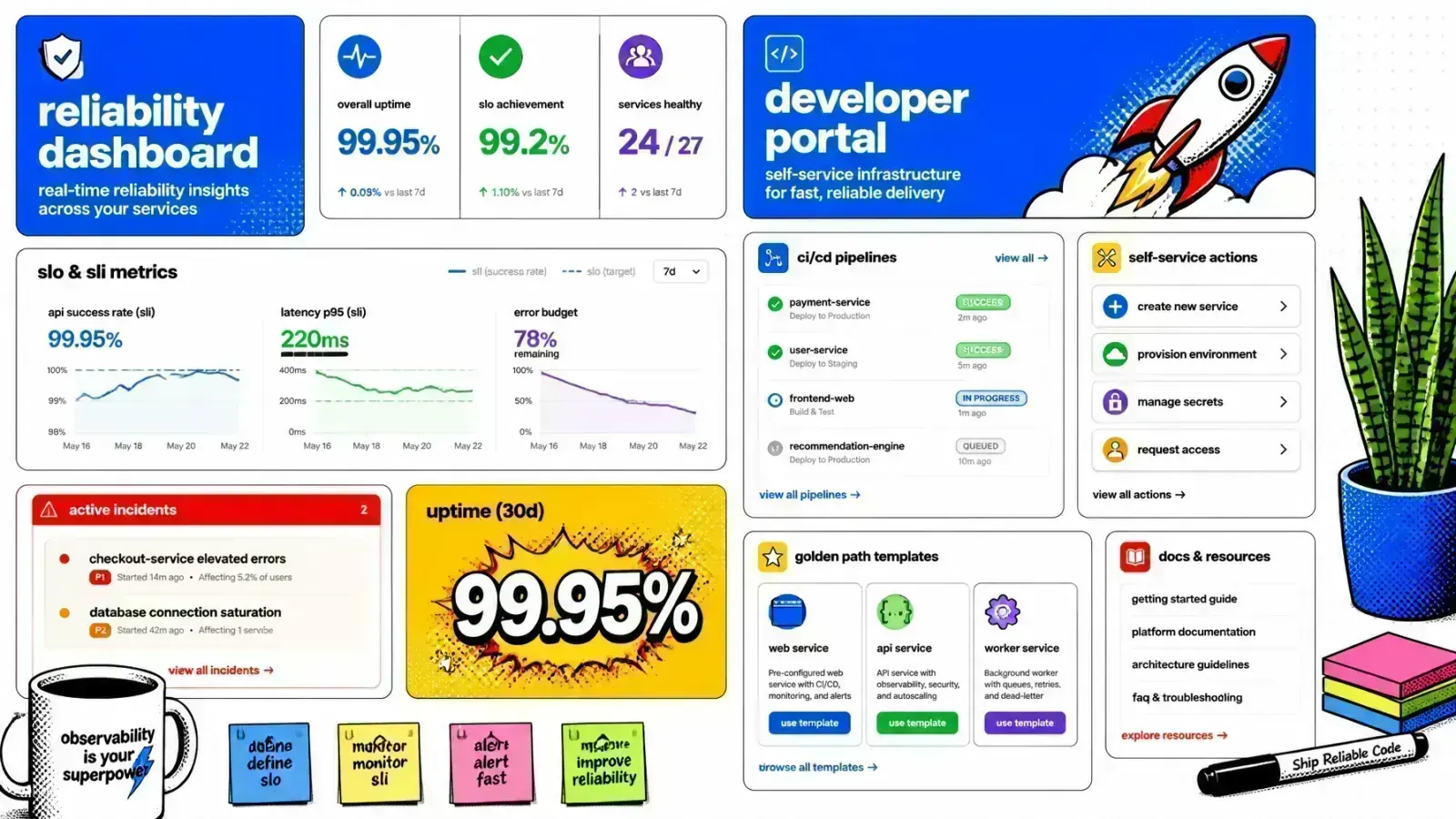
SRE vs Platform Engineer: who to hire for scale
SRE vs Platform Engineer compared: reliability versus developer experience, what each role owns, and which one your team needs to hire first.
Read post →
-
 Architecture
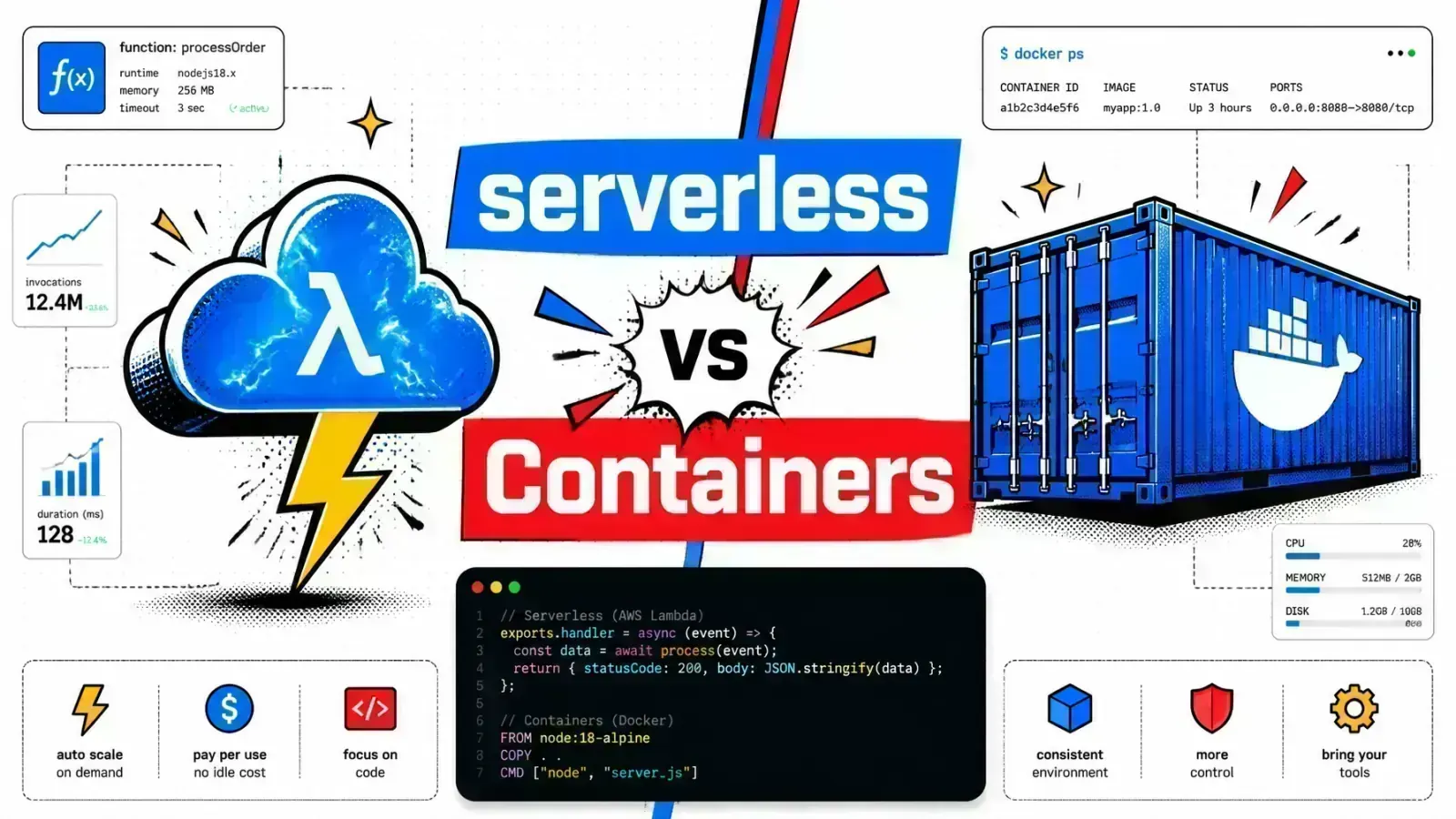
Serverless vs containers: the 2026 engineering guide
Compare Serverless vs Containers for performance, cost, and scalability. Learn why hybrid models are winning for Laravel and Shopify applications in 2026.
Read post →
-
 DevOps
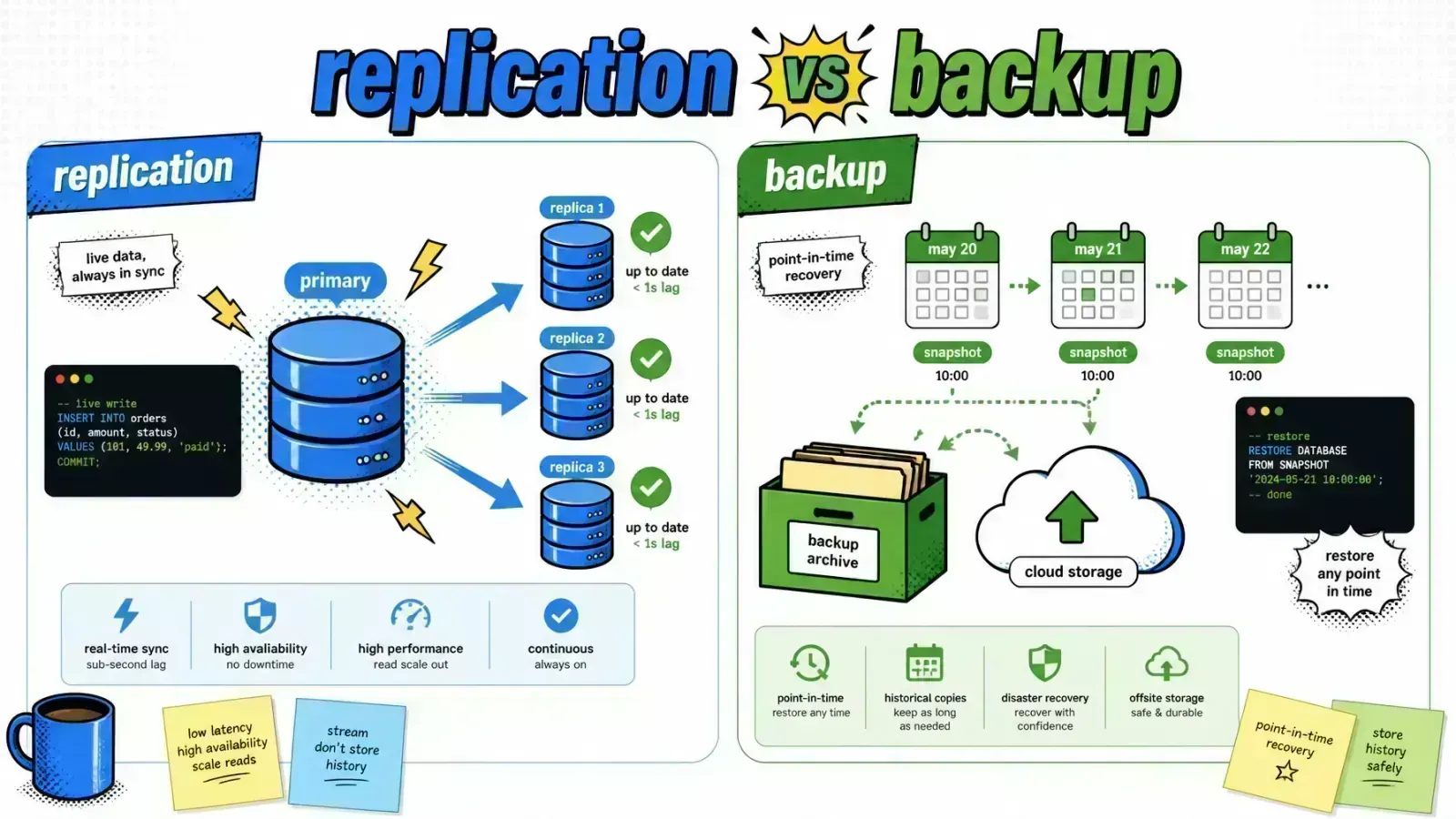
Replication vs backup: why Laravel needs both
Replication protects you from hardware failure; backups protect you from your own mistakes. How read/write splitting and point-in-time recovery fit in.
Read post →
-
 DevOps
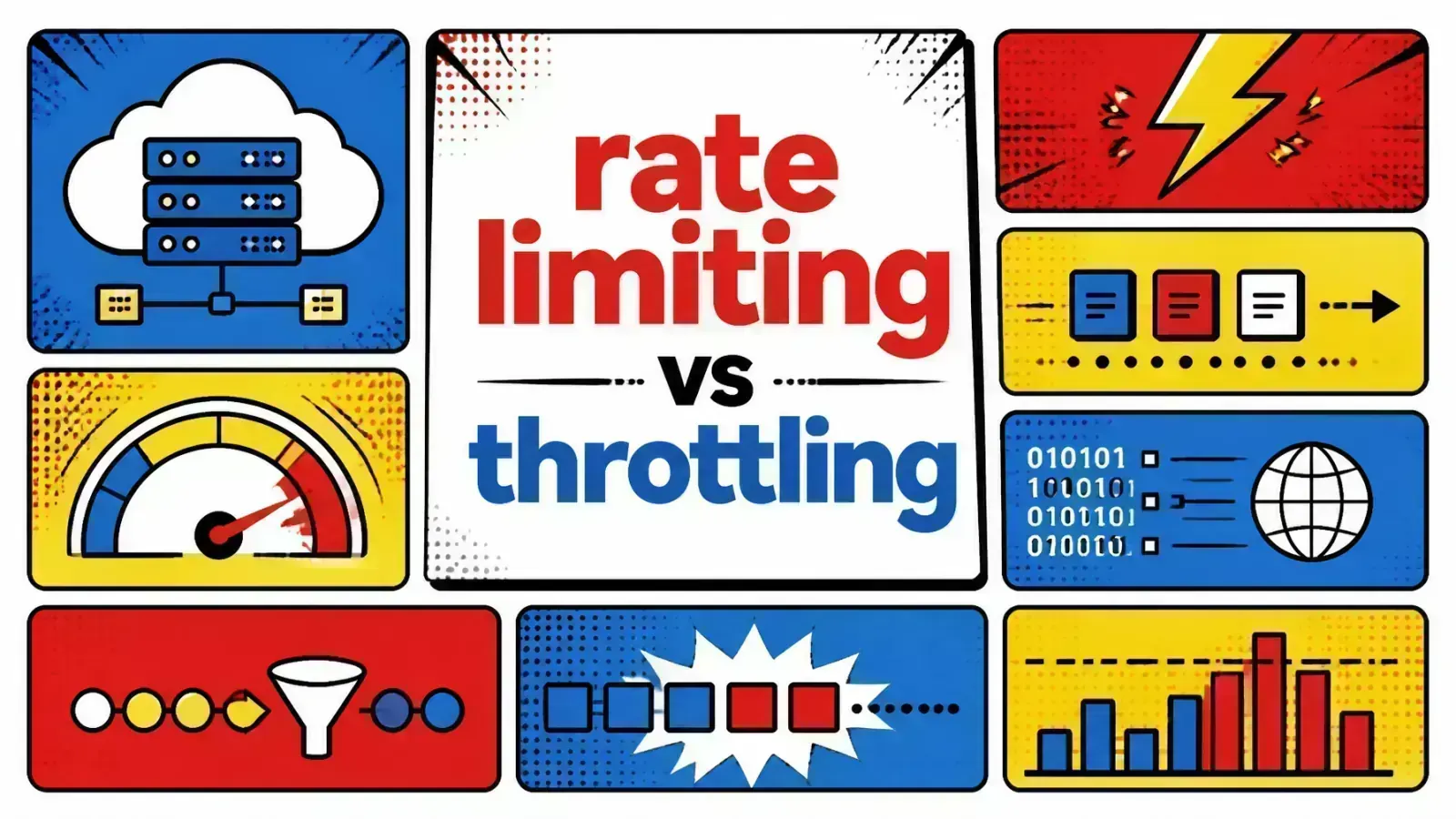
Rate limiting vs throttling
The engineering difference between rate limiting and throttling, and how each secures your APIs and keeps infrastructure stable under heavy load.
Read post →
-
 Architecture
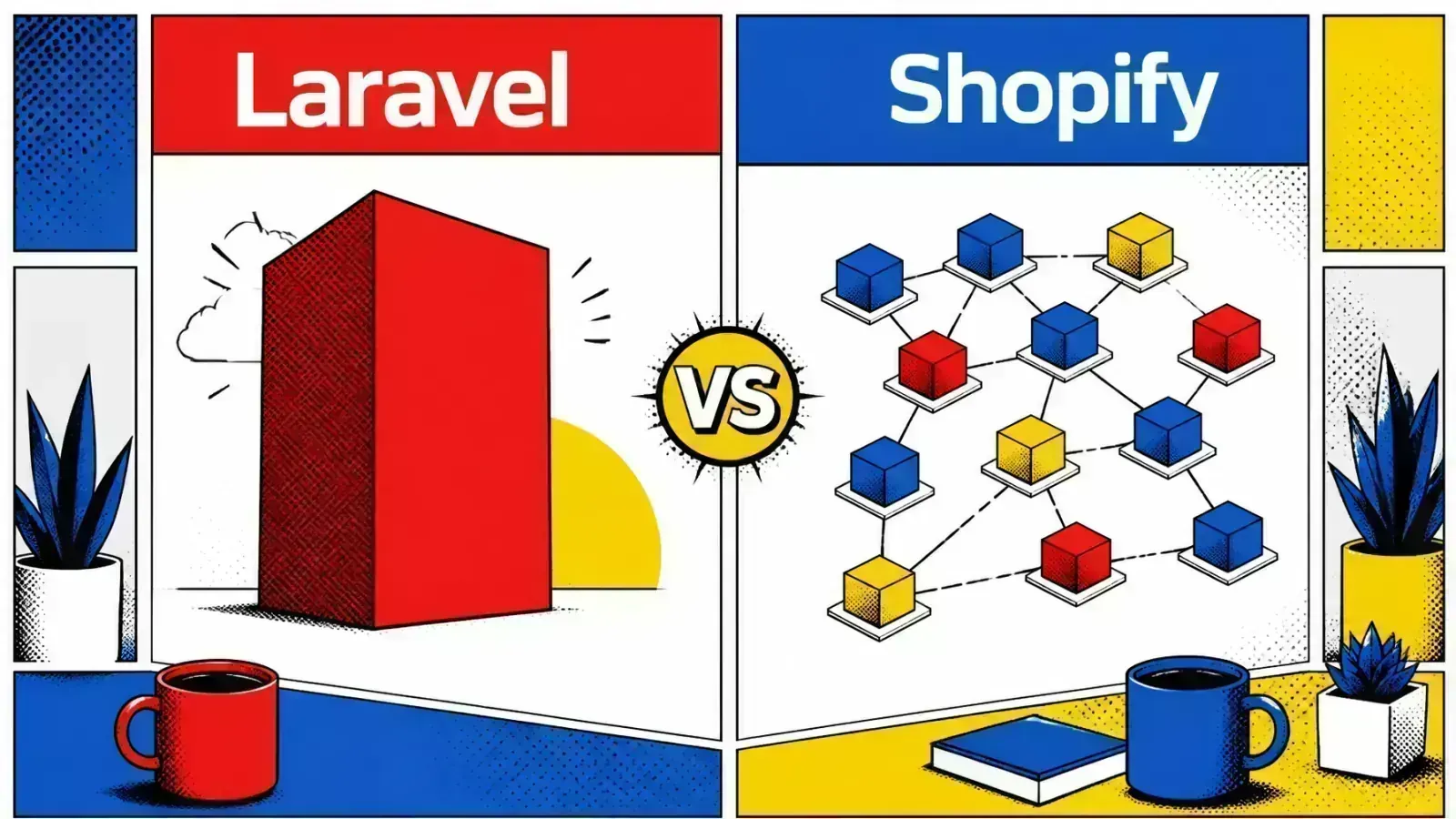
Monolith vs microservices: how to choose
Monolith vs microservices: the real technical trade-offs for Laravel and Shopify teams, when each pays off, and why a modular monolith often wins.
Read post →
-
 Architecture
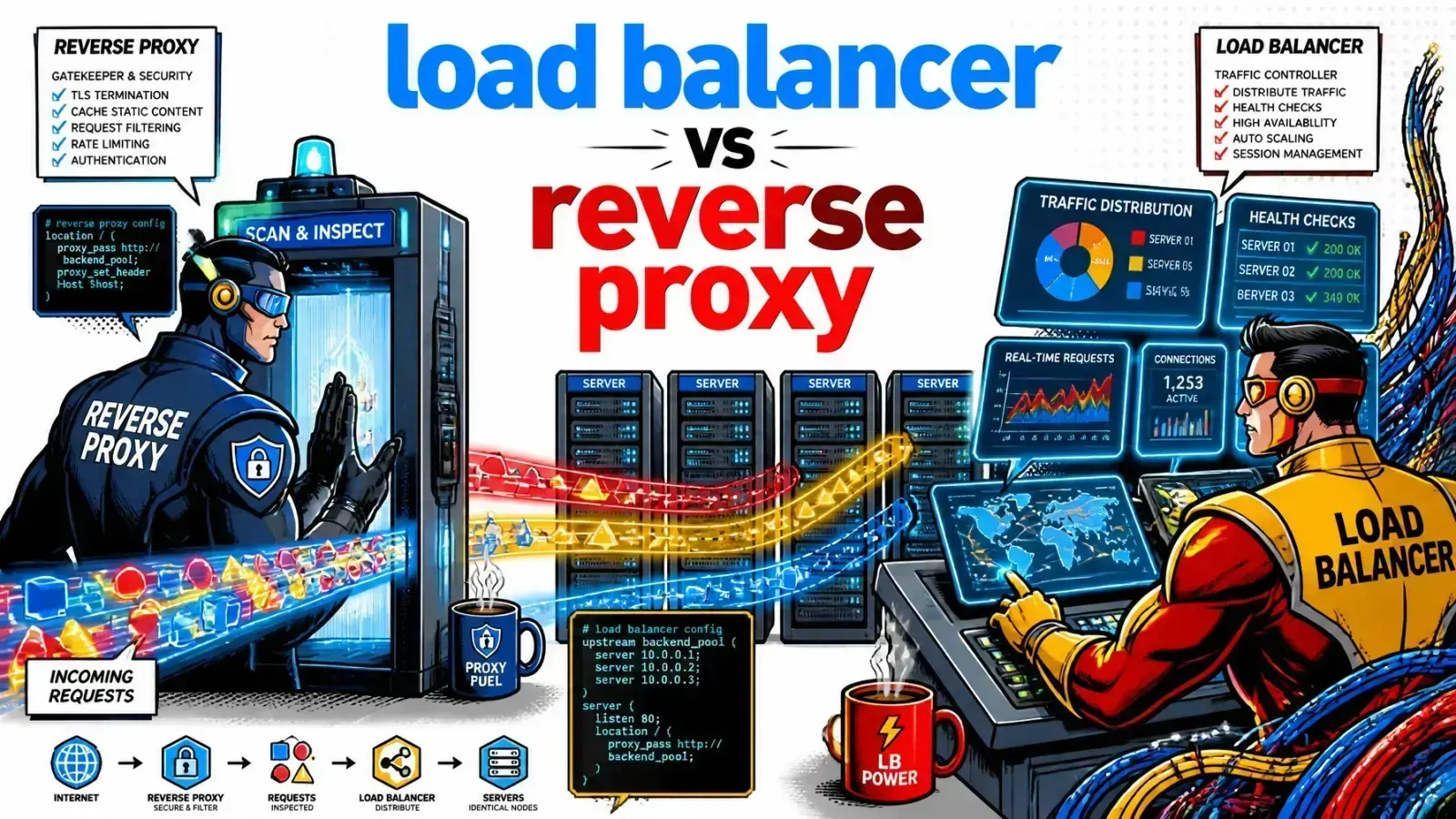
Load balancer vs reverse proxy: scale vs security
Reverse proxies handle SSL, caching, and security; load balancers handle scale and availability. The differences, and how to layer both in a Laravel stack.
Read post →
-
 DevOps
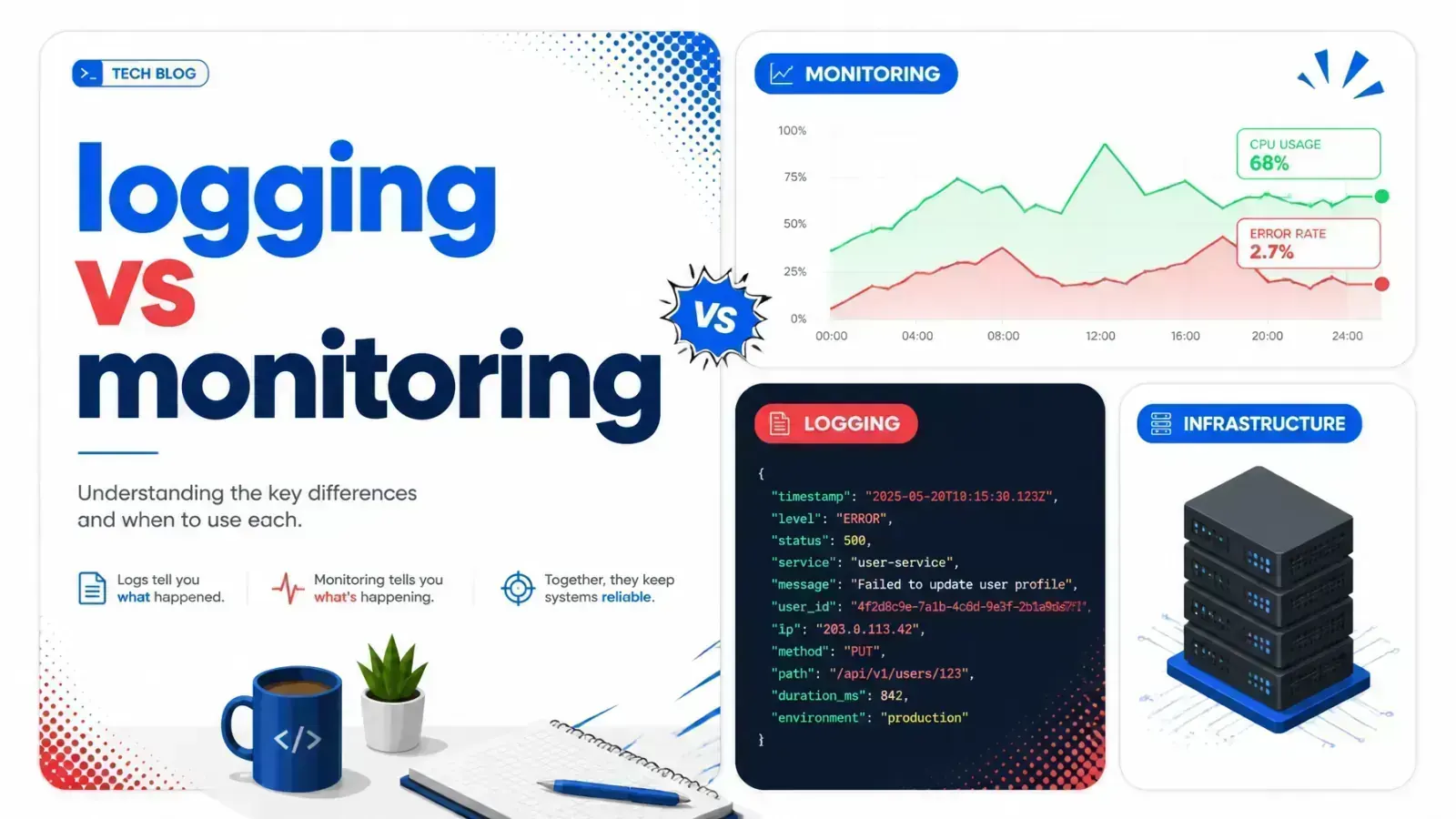
Logging vs monitoring: a guide for scaling
Monitoring tells you a system is unhealthy; logging tells you why. How to combine metrics, structured logs, and correlation IDs for fast debugging.
Read post →
-
 Architecture
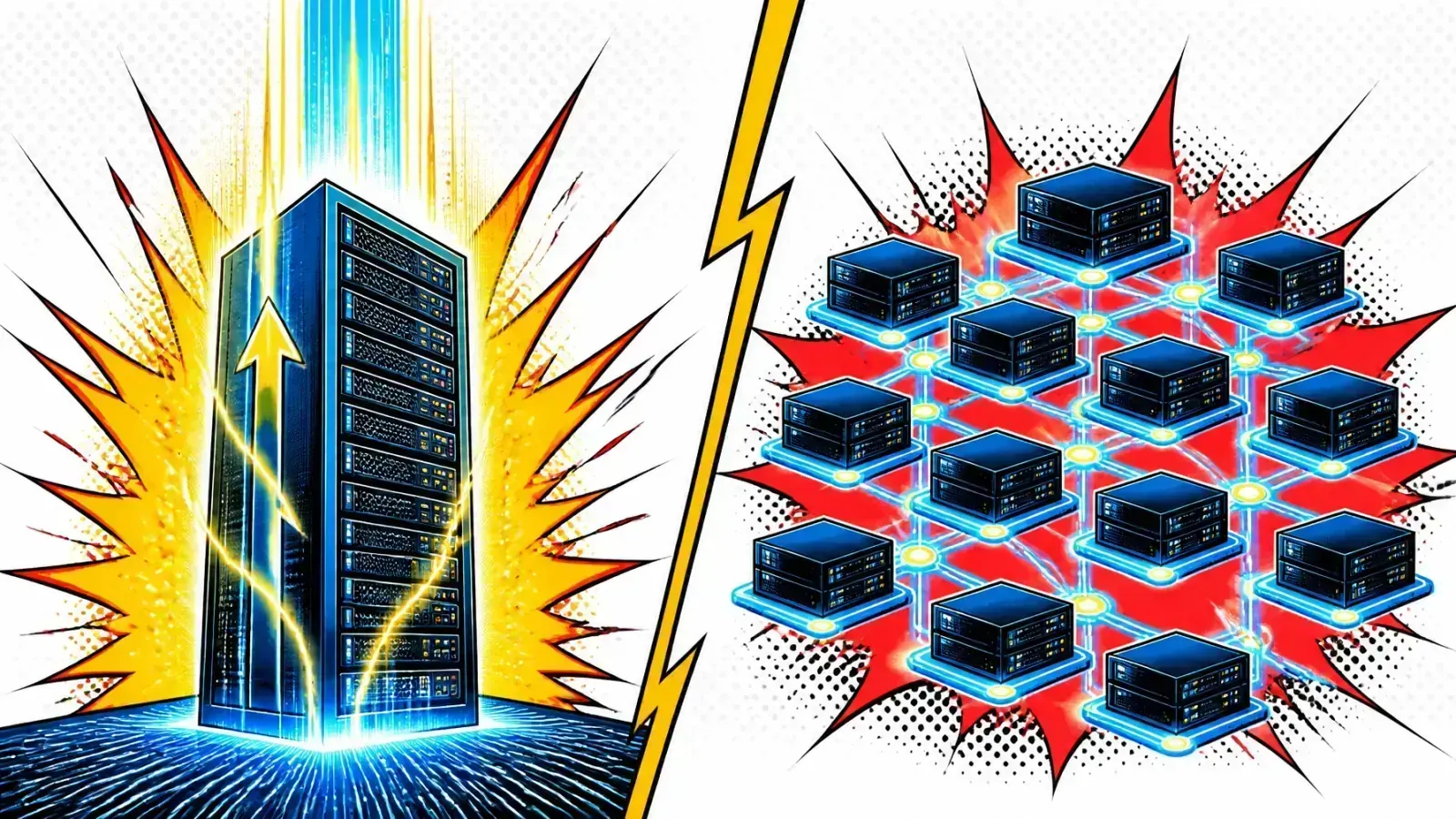
Horizontal vs vertical scaling
Learn the key differences between horizontal and vertical scaling. Discover the right architectural strategy for scaling your web application effectively.
Read post →
-
 Career
Data engineer vs data scientist: roles, tools, and overlap
Data engineer vs data scientist: who builds the pipelines, who builds the models, where the tools overlap, and which role your AI project needs first.
Read post →
-
 Career
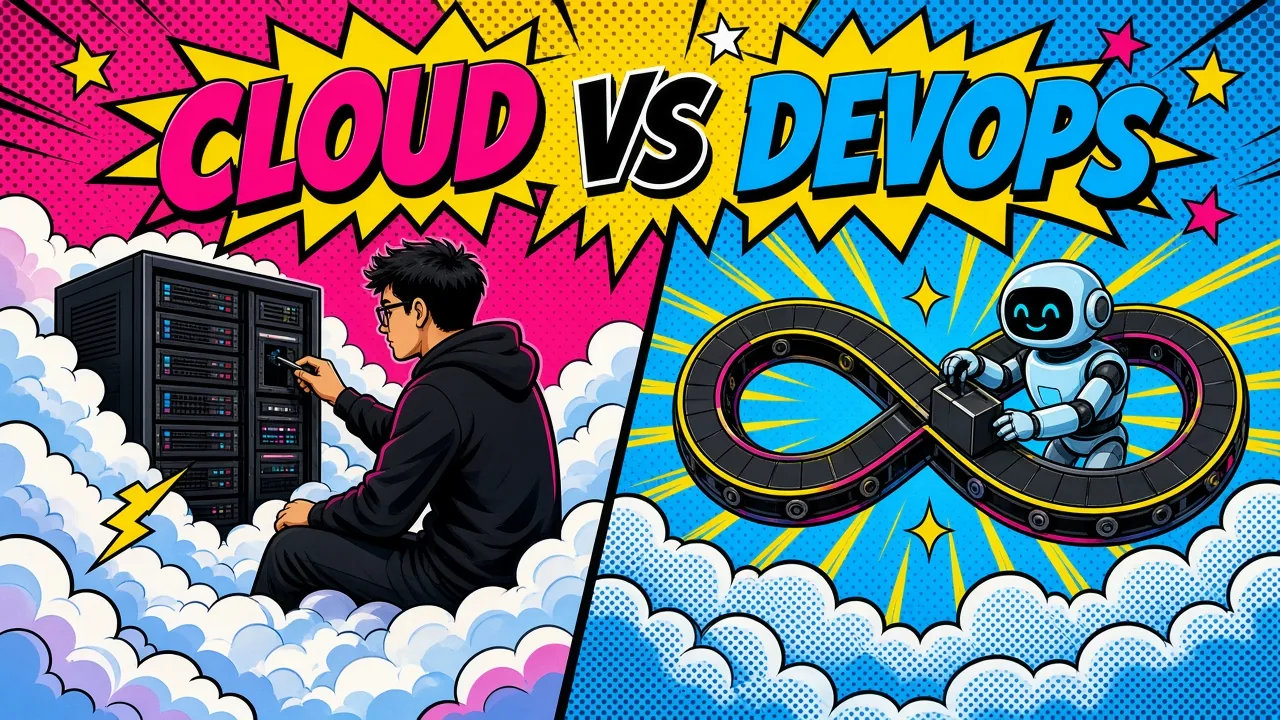
Cloud engineer vs DevOps engineer in 2026
Cloud engineer vs DevOps engineer: how their roles, skills, and tools differ, where they merge into platform engineering, and which one to hire first.
Read post →
-
 DevOps
CDN vs cache: why your high-traffic site needs both
CDN and cache solve different problems: distance vs repeated work. How to layer edge delivery and server-side caching for high-traffic sites.
Read post →
-
 Architecture
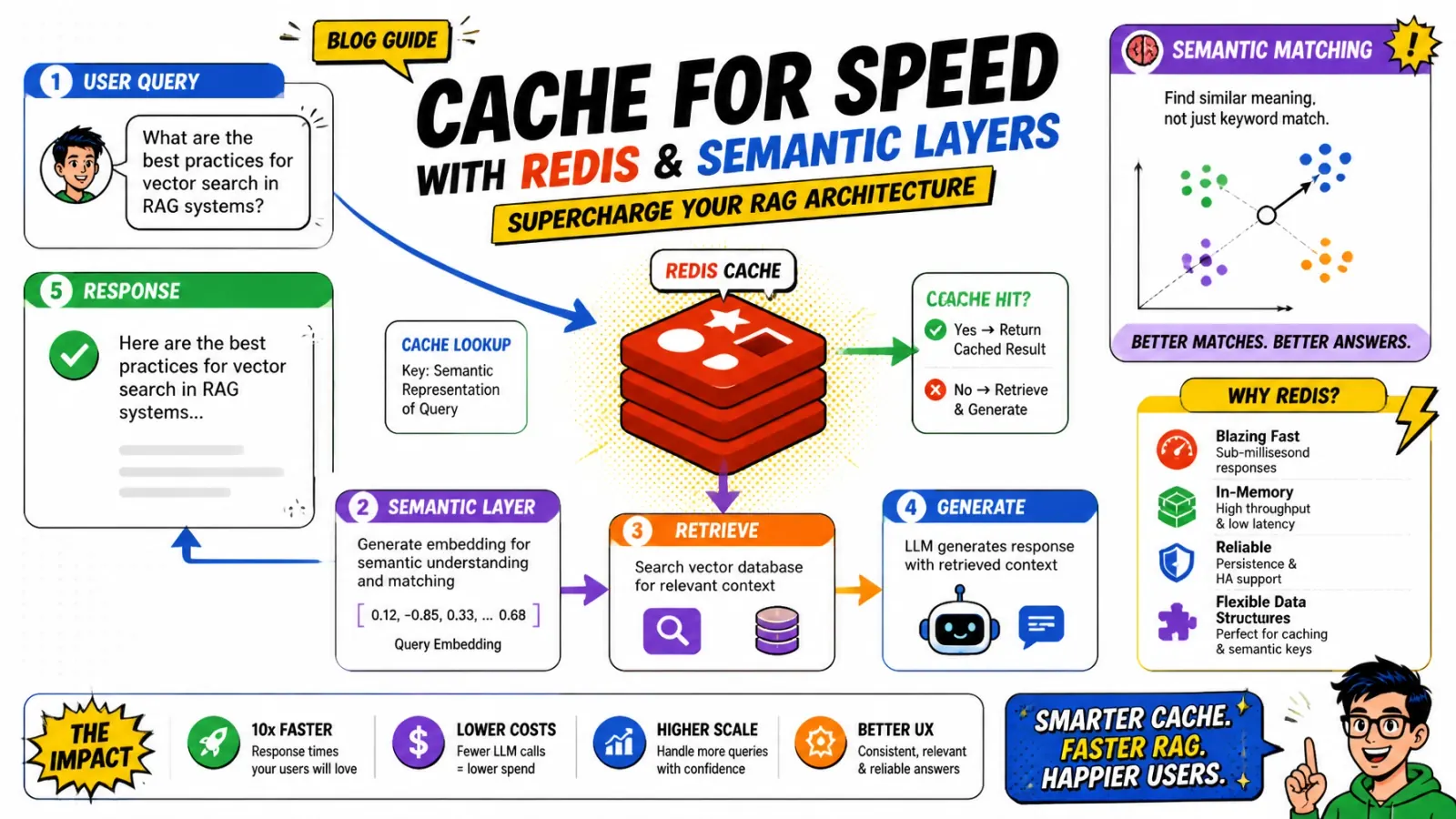
Caching for speed: Redis and semantic layers in RAG
Stop paying for the same LLM call twice. Two-tier caching with Redis keys and RedisVL semantic lookups slashes RAG latency and trims your LLM API bill.
Read post →
-
 Architecture
Smart auto-scaling for modern AI apps
CPU auto-scaling fails GPU workloads. Why queue depth, KV-cache pressure, and TTFT beat CPU as triggers, plus the KEDA patterns to scale AI in time.
Read post →
-
 Architecture
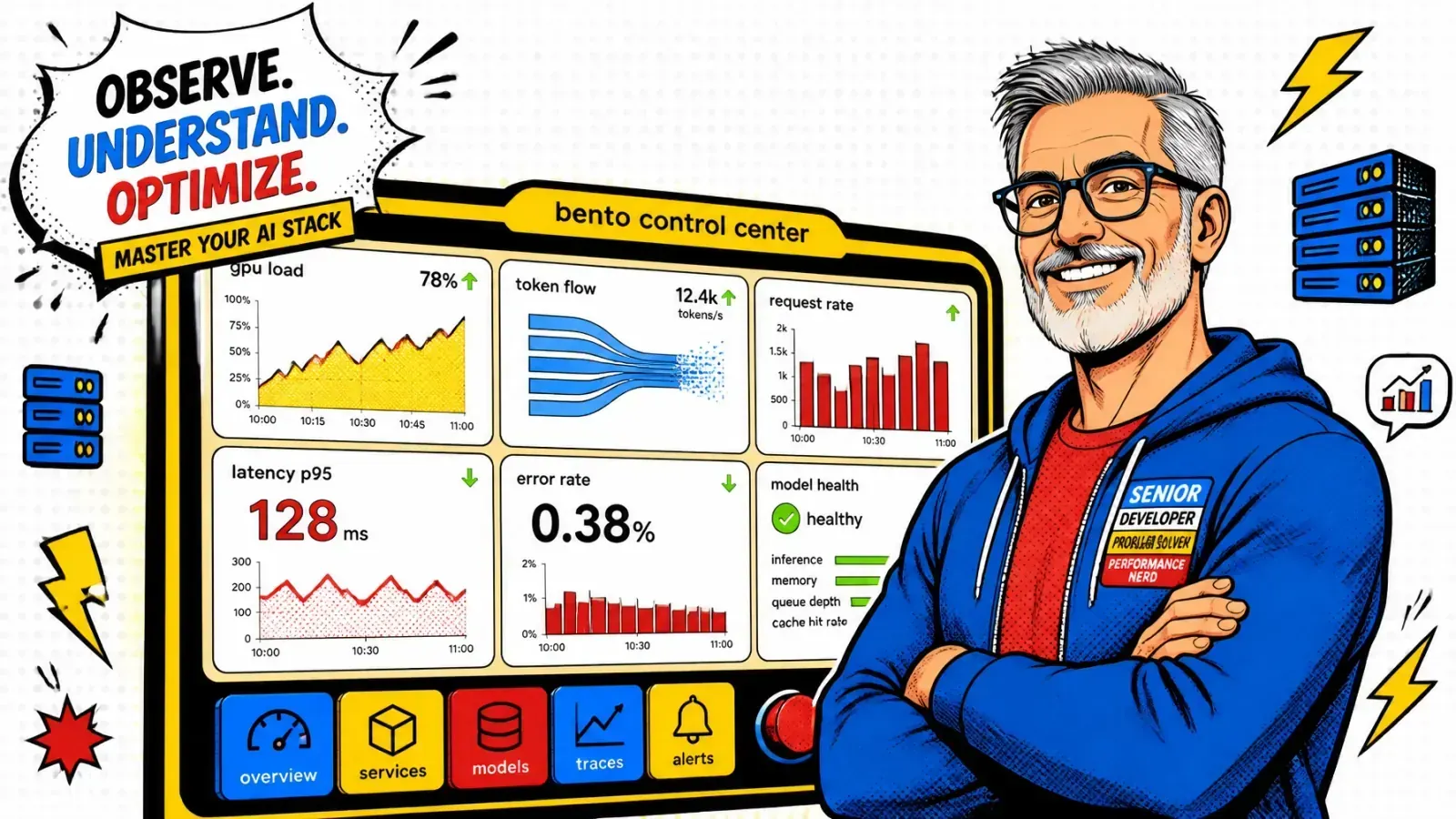
GPU-aware load balancing for AI inference
Round-robin breaks when LLM requests span 50 to 50,000 tokens. GPU-aware load balancing with prefill/decode disaggregation and the metrics that cut P99.
Read post →
-
 Architecture
Circuit breakers: stopping vector DB failures
A slow vector DB kills SaaS faster than a dead one. The circuit-breaker pattern for AI infra: states, fallback tiers, and Laravel-friendly wiring.
Read post →
-
 Architecture
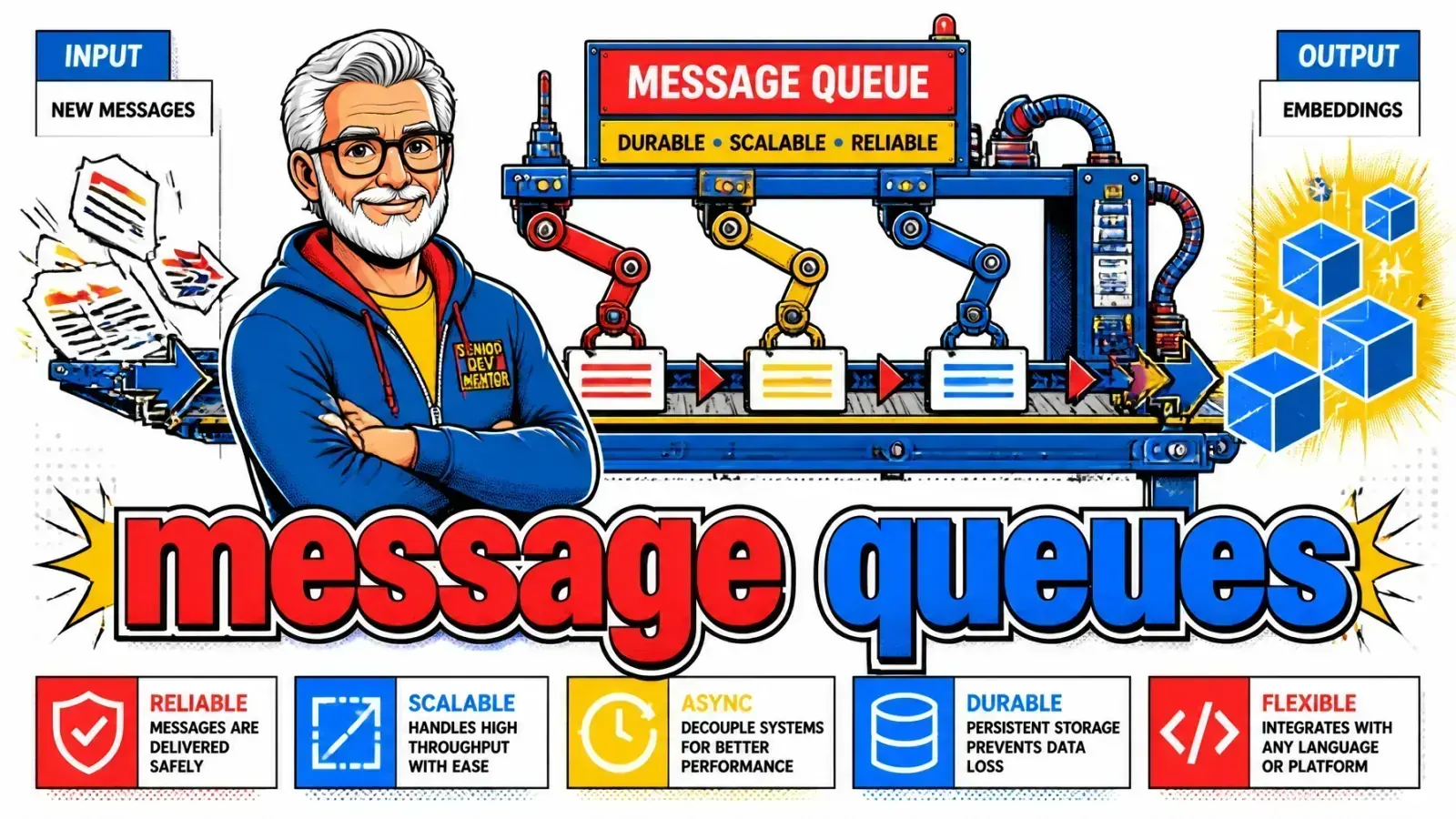
Message queues for heavy-duty document processing
Stop running embeddings in the request cycle. Build a document pipeline on message queues with staged workers, retries, dead-letter queues, and autoscaling.
Read post →
-
 Architecture
API gateway: the front door of your AI stack
Stop exposing LLM providers to your frontend. The API gateway pattern for AI apps: tenant isolation, model aliases, rate limiting, and streaming-safe timeouts.
Read post →