▸ Tag · #laravel
Laravel.
Laravel in production: Octane and Swoole under real traffic, queue design, multi-tenancy, and the parts of the framework that bite at scale.
-
 Laravel
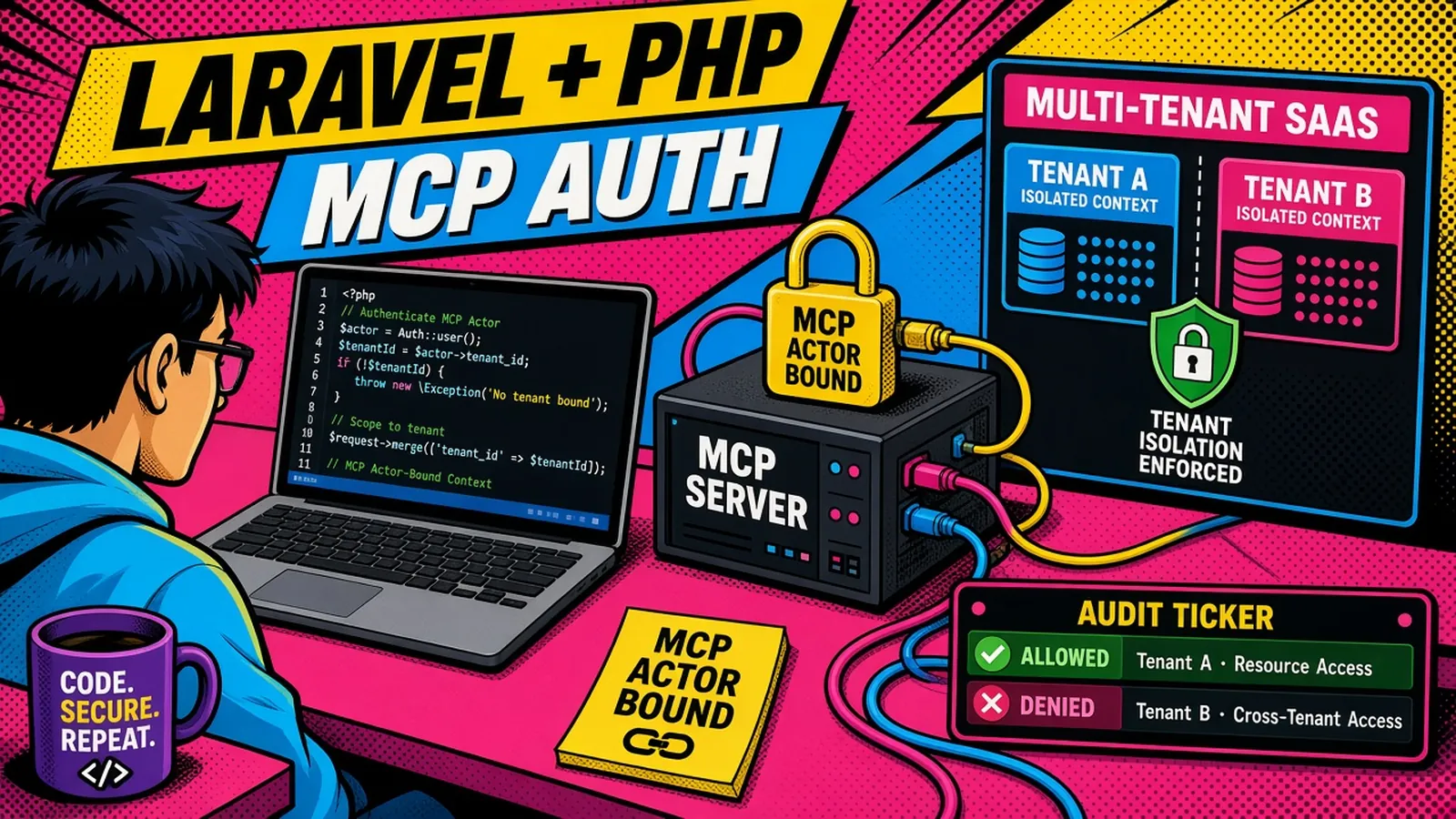
MCP auth and audit logging in a Laravel SaaS
An MCP server on Laravel is only as safe as its tenancy boundary. Scoped tool auth, request-bound actor context, and an audit log you can actually read at 3am.
Read post →
-
 AI
AIAI writes the code. Your job is the gates.
AI made code cheap. The engineer's job is the gate stack bad code cannot pass: tests, mutation testing, PHPStan, required CI checks, monitoring and rollback.
Read post →
-
 Architecture
HITL gates for agent mutations
Human-in-the-loop risk gates for refunds, inventory, and spend. Verify mutations after tool calls so agents cannot declare early victory.
Read post →
-
 Laravel
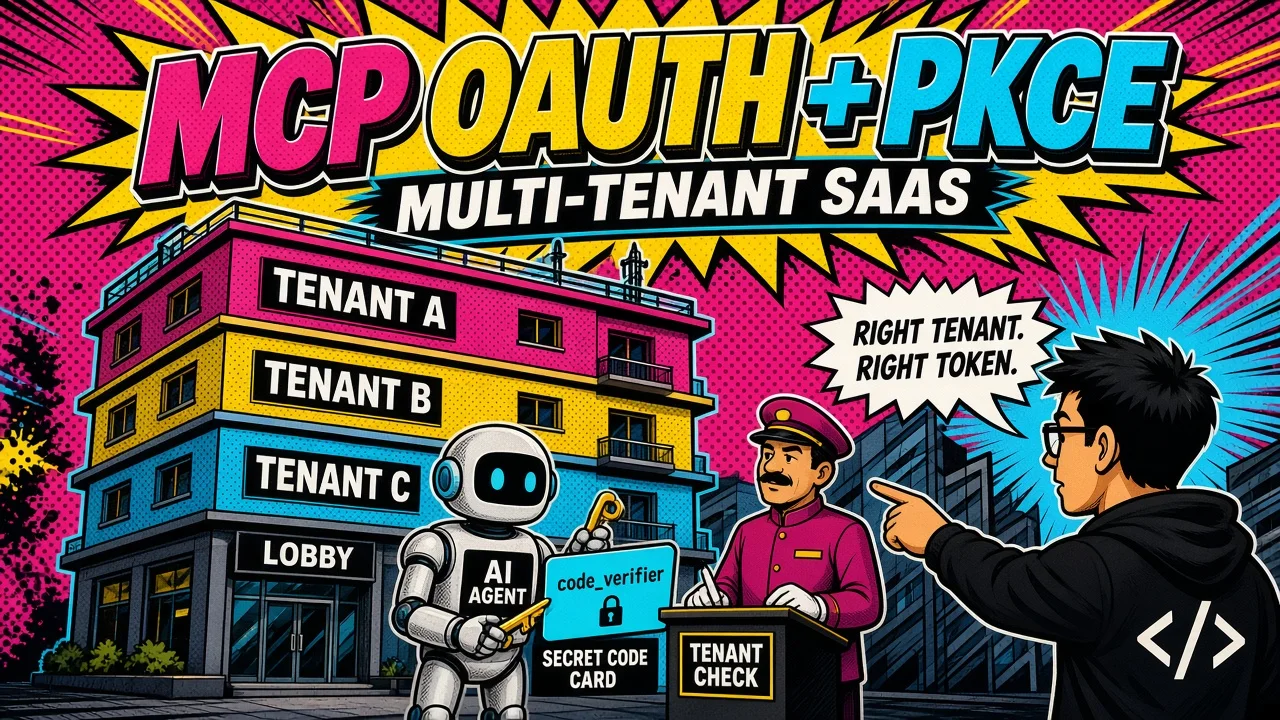
MCP OAuth PKCE for multi-tenant SaaS
Laravel MCP requires PKCE S256 and prefers Client ID Metadata Documents. How multi-tenant SaaS should bind workspace at consent and avoid common agent auth failures.
Read post →
-
 Laravel
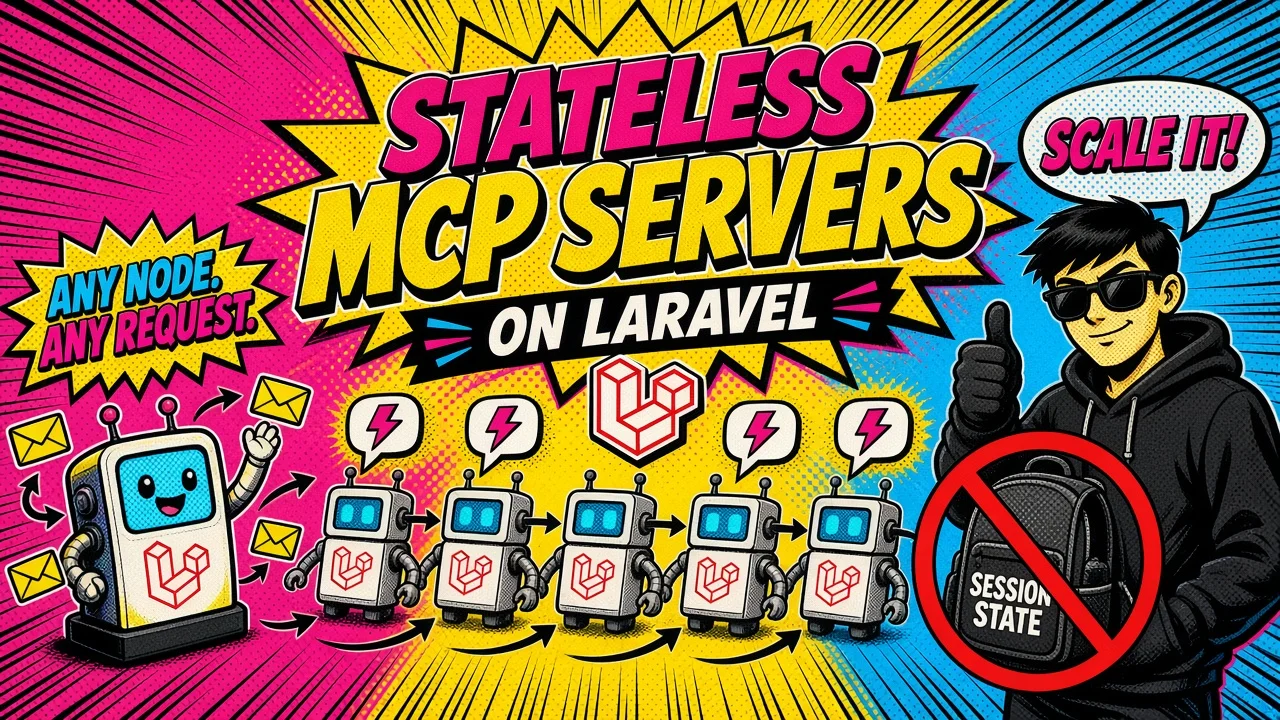
Stateless MCP servers on Laravel
Laravel MCP 1.0 drops session IDs. Scale with Octane and queues, keep auth and idempotency, and pass your own correlation ids in _meta.
Read post →
-
 Laravel
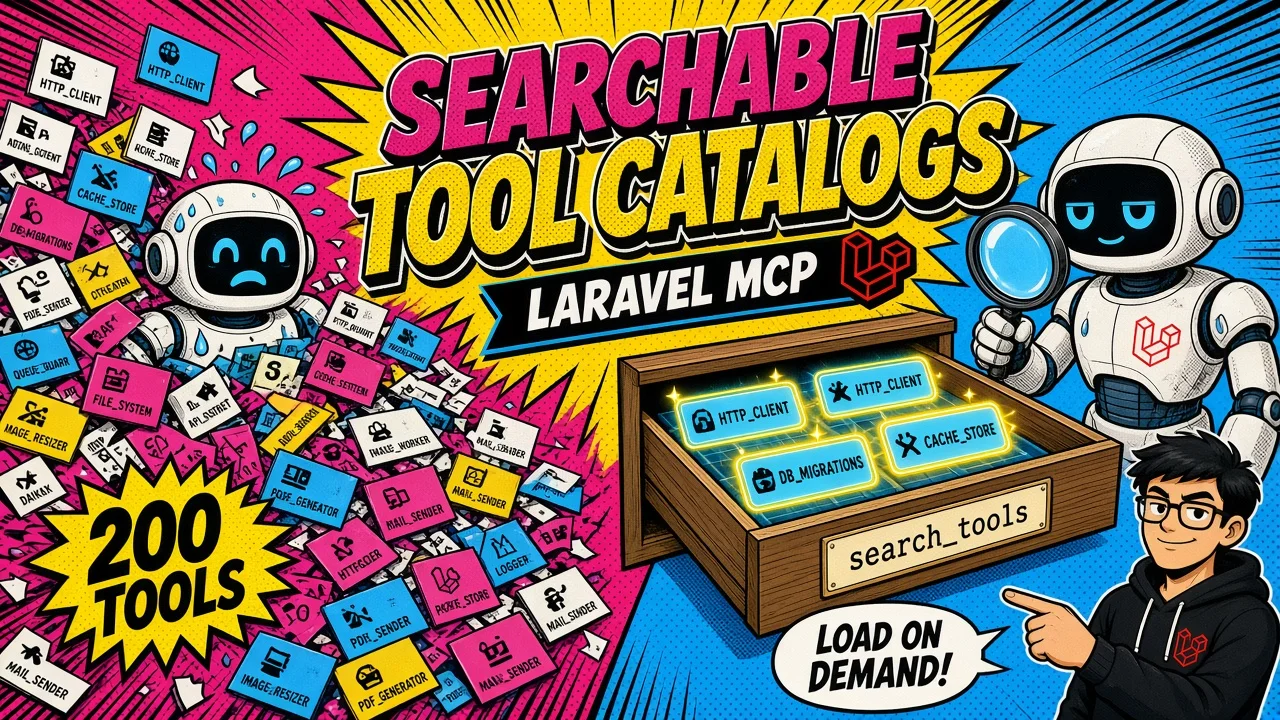
Laravel MCP searchable tool catalogs
Laravel MCP 1.0 searchable catalogs and cache hints cut context bloat. When to expose tools versus discover them with search_tools and execute_tools.
Read post →
-
 Laravel
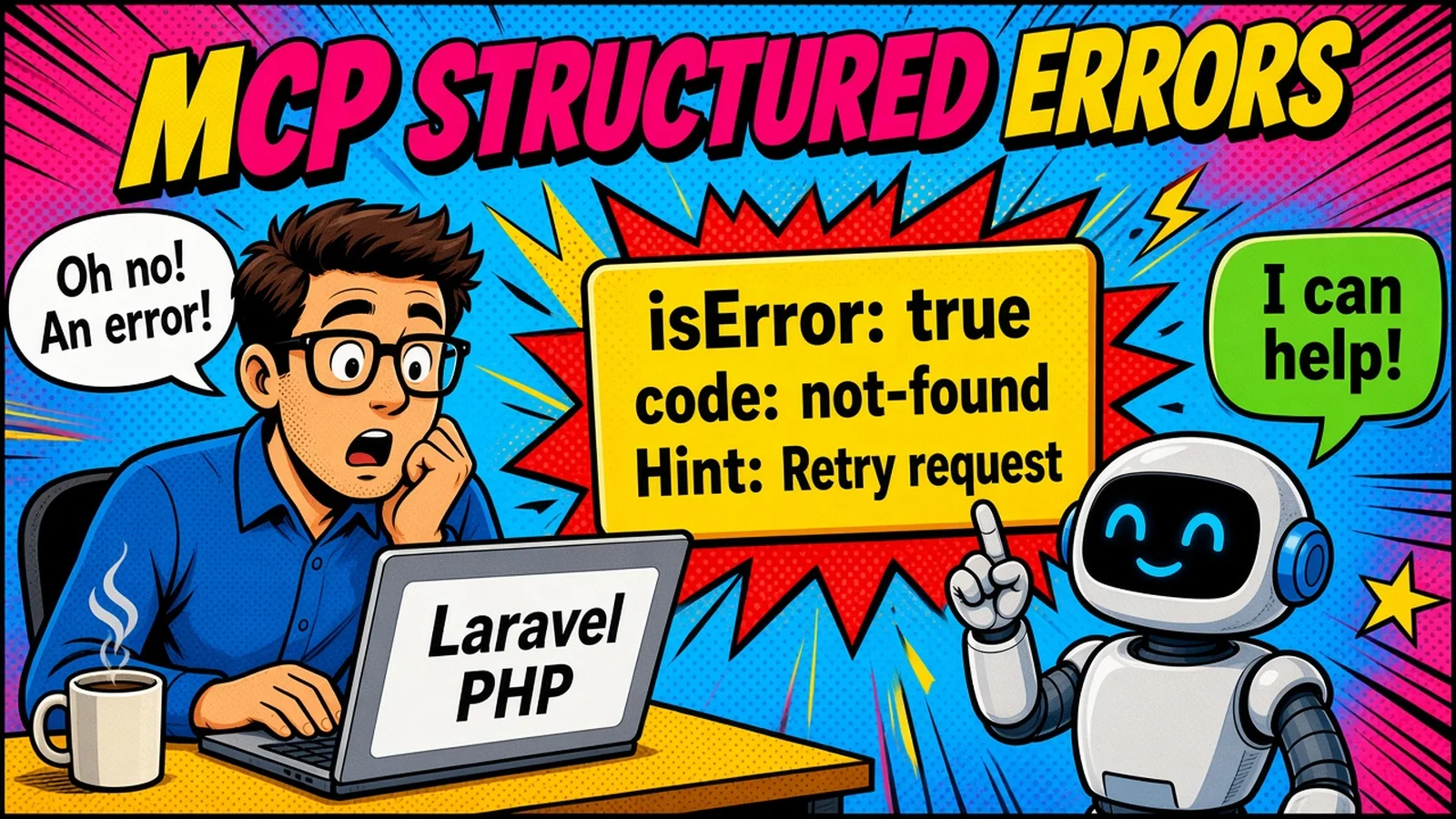
MCP tool errors agents can actually recover from
Throwing exceptions hides failures from the model. MCP wants isError tool results with actionable text, mapped from Laravel domain failures and audited like auth denials.
Read post →
-
 Laravel
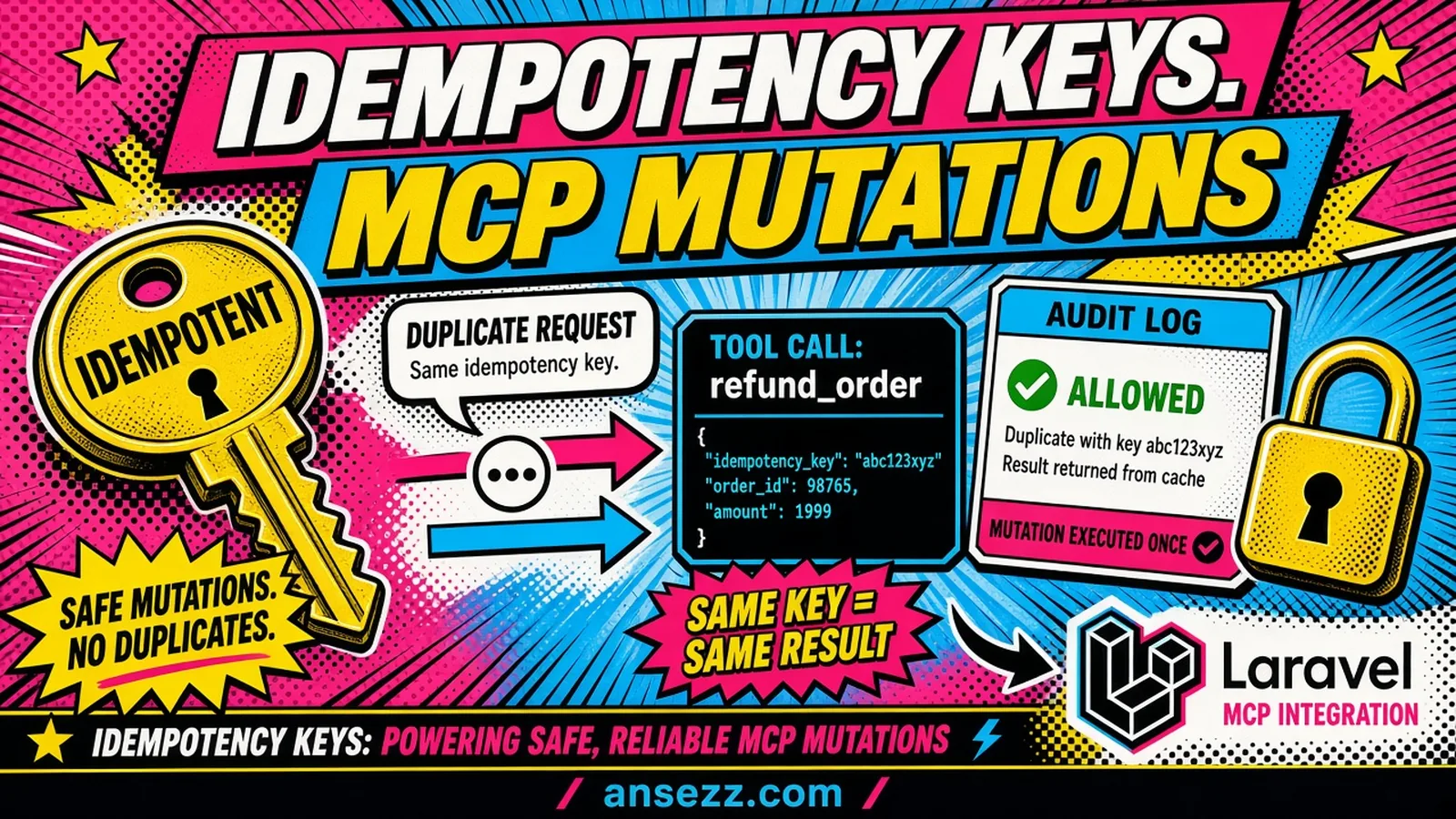
Idempotency keys for MCP mutations in Laravel
Refunds, seat resets, and password emails need more than audit logging. Client-supplied idempotency keys, server-side short-circuits, and race-safe storage under Octane.
Read post →
-
 AI
AIAI coding is like an addiction (in the best way)
A level-by-level map of the AI coding workflow: gateway prompts, codebase RAG, then multi-agent orchestration over MCP, and why manual coding now drags.
Read post →
-
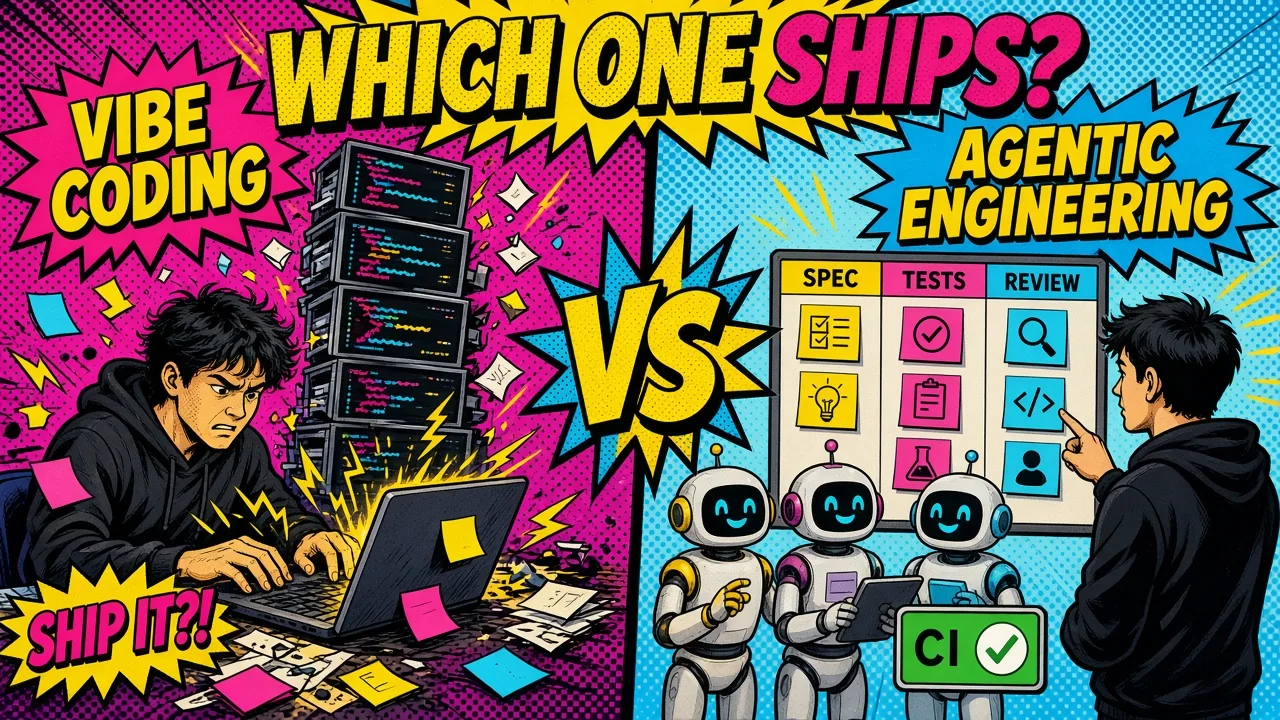 AI
AIVibe coding vs agentic engineering: which ships?
Vibe coding is for prototypes, agentic engineering is for production. The daily split I use to ship AI-written code without hidden technical debt.
Read post →
-
 Architecture
Modular monoliths first: why microservices can wait
Distributed systems are the priciest fix for a problem you don't have. How to build a modular monolith, own data per module, and know when to split.
Read post →
-
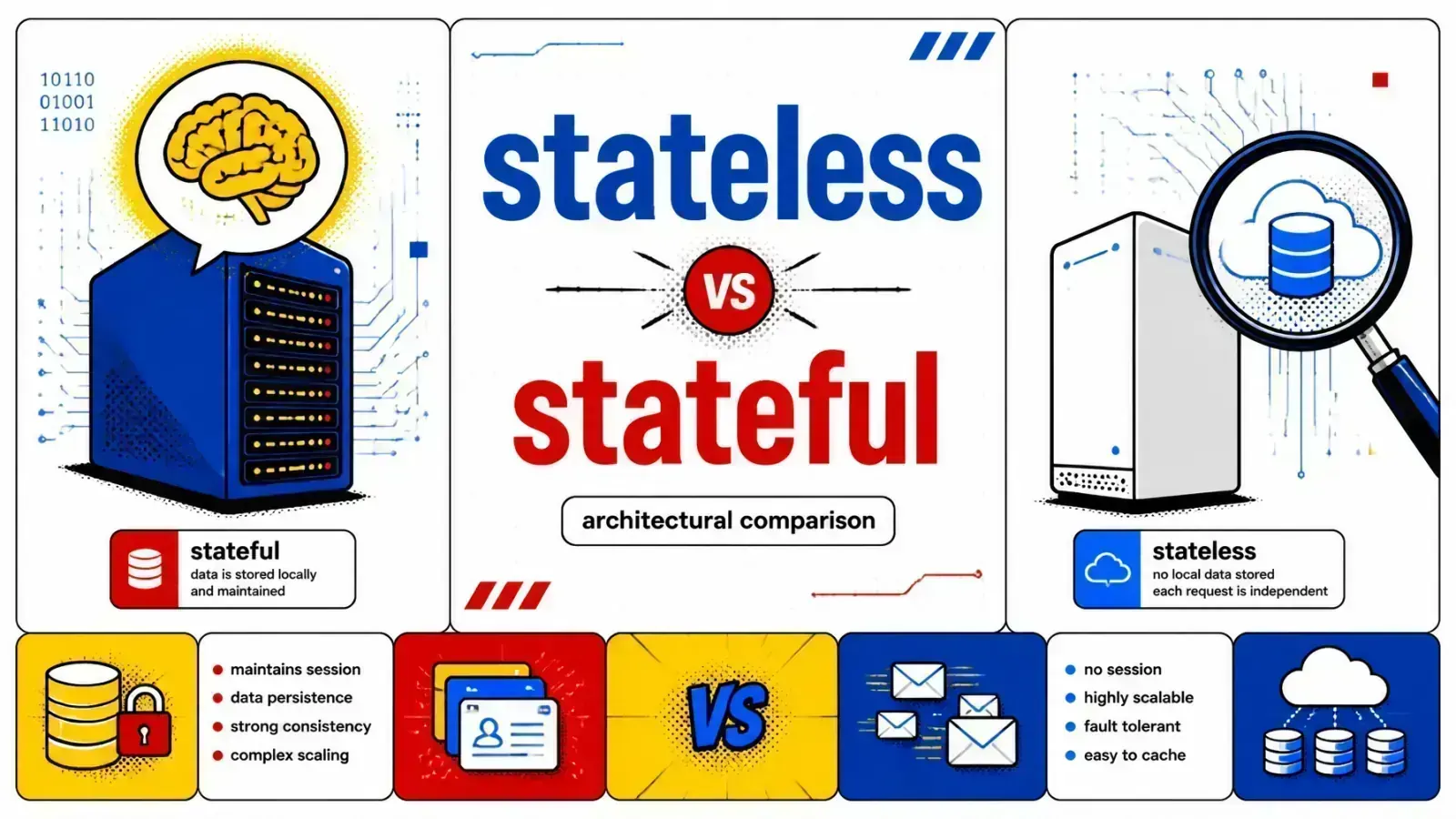 Architecture
Stateless vs stateful apps: the architecture split
Stateful servers remember; stateless servers forget by design. Why horizontal scaling, sticky sessions, and shared Redis decide the architecture split.
Read post →
-
 DevOps
Bandwidth vs throughput: a wider pipe won't fix lag
Bandwidth is capacity, throughput is delivery. Why a wider pipe never fixes a throughput bottleneck, and the latency and protocol levers that do.
Read post →
-
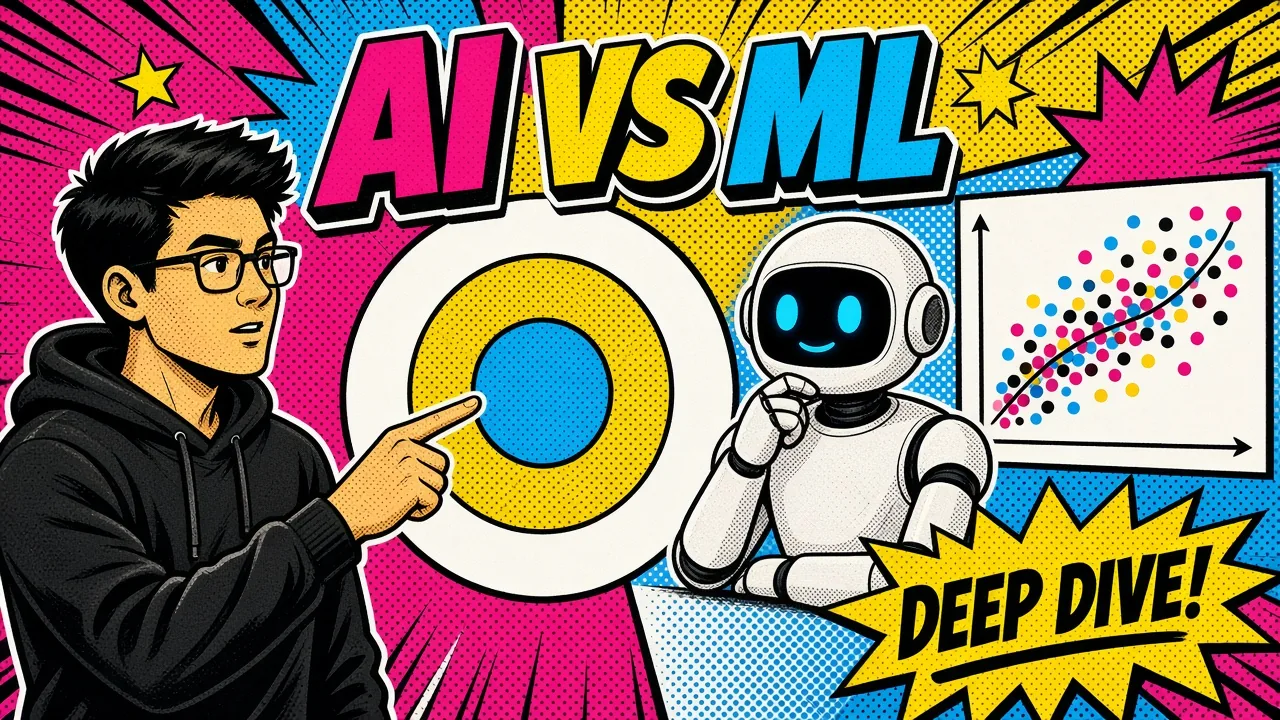 AI
AIAI vs machine learning: an engineering deep dive
AI is the umbrella, machine learning is the engine. See how the distinction shapes your RAG pipelines, agentic systems, and Laravel or Shopify architecture.
Read post →
-
 Architecture
Synchronous vs asynchronous communication
The technical differences between synchronous and asynchronous architectures in Laravel and Shopify, and how queues, jobs, and webhooks help you scale.
Read post →
-
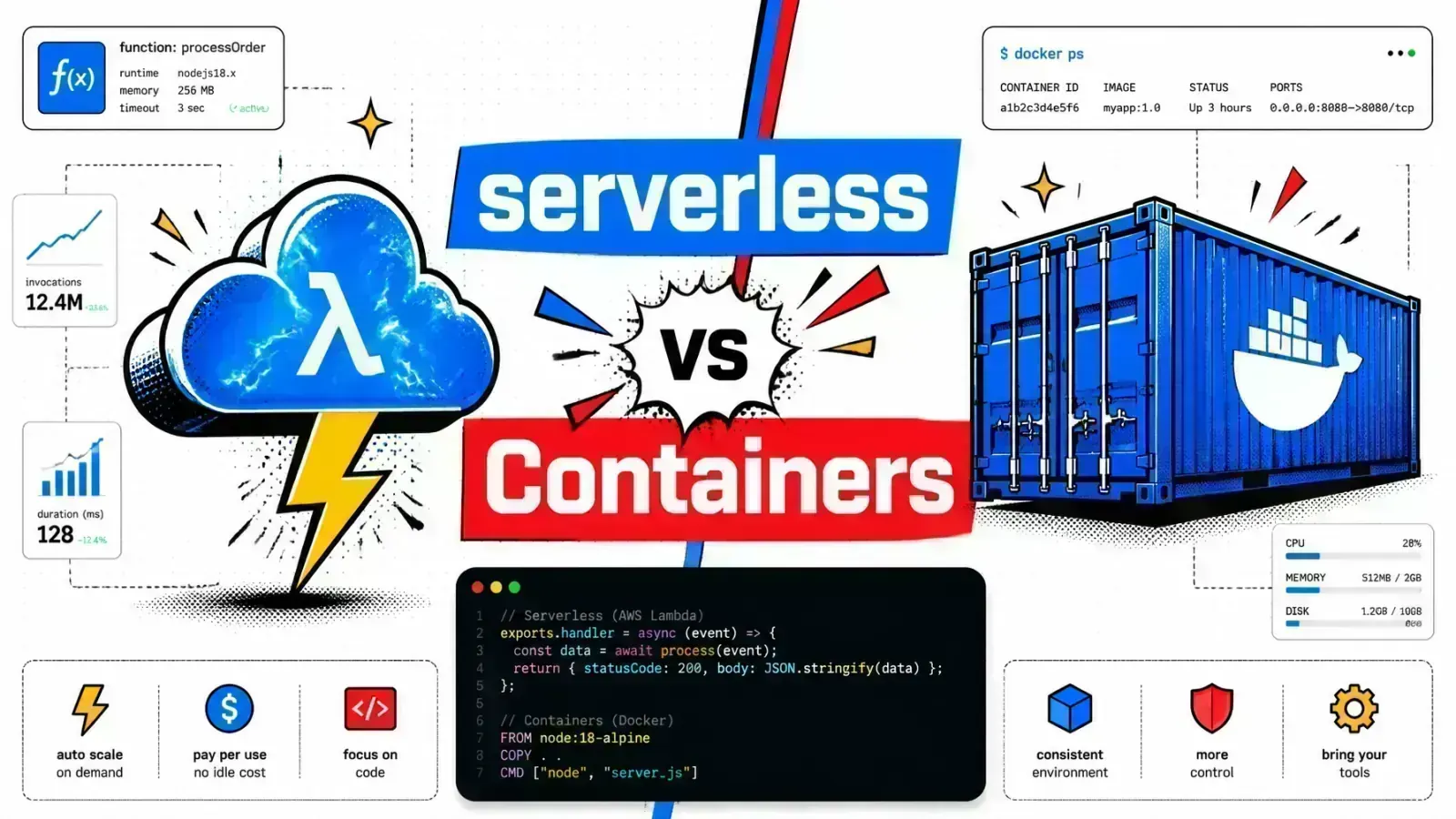 Architecture
Serverless vs containers: the 2026 engineering guide
Compare Serverless vs Containers for performance, cost, and scalability. Learn why hybrid models are winning for Laravel and Shopify applications in 2026.
Read post →
-
 DevOps
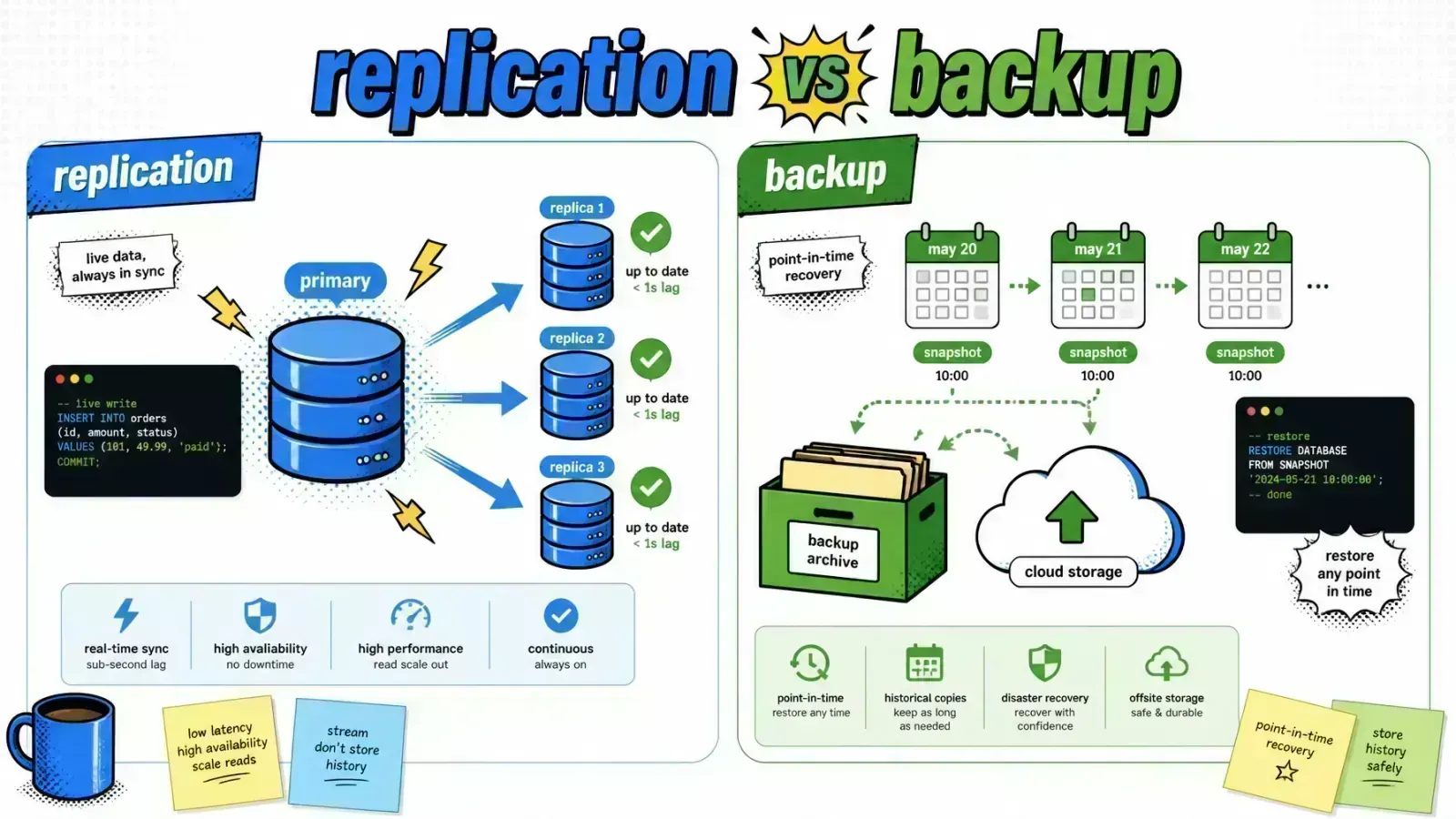
Replication vs backup: why Laravel needs both
Replication protects you from hardware failure; backups protect you from your own mistakes. How read/write splitting and point-in-time recovery fit in.
Read post →
-
 AI
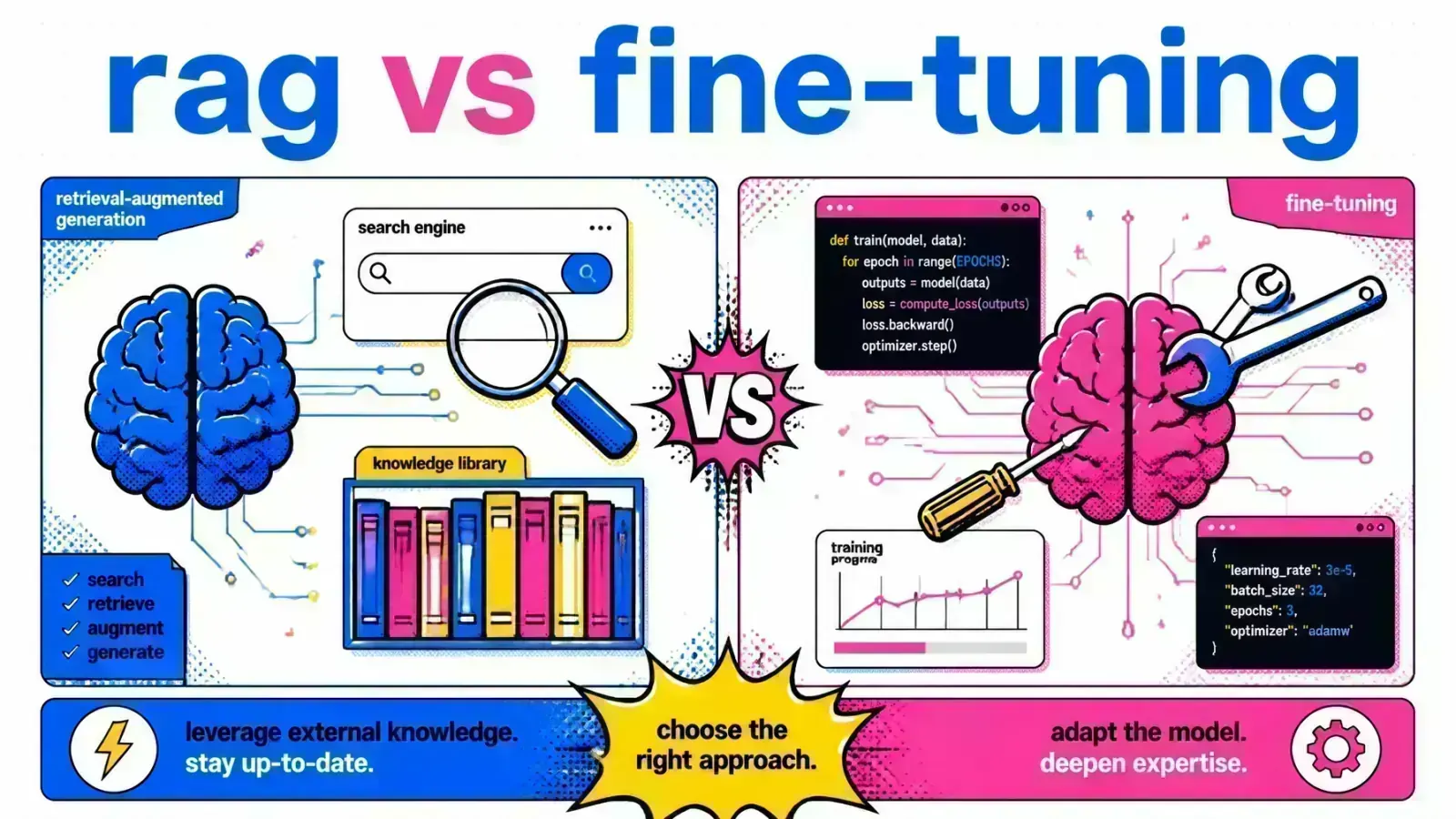
AIRAG vs fine-tuning: choosing your AI architecture
RAG vs fine-tuning for production LLMs: knowledge vs behavior, latency, cost, privacy, and the hybrid approach. How to pick the right AI architecture.
Read post →
-
 DevOps
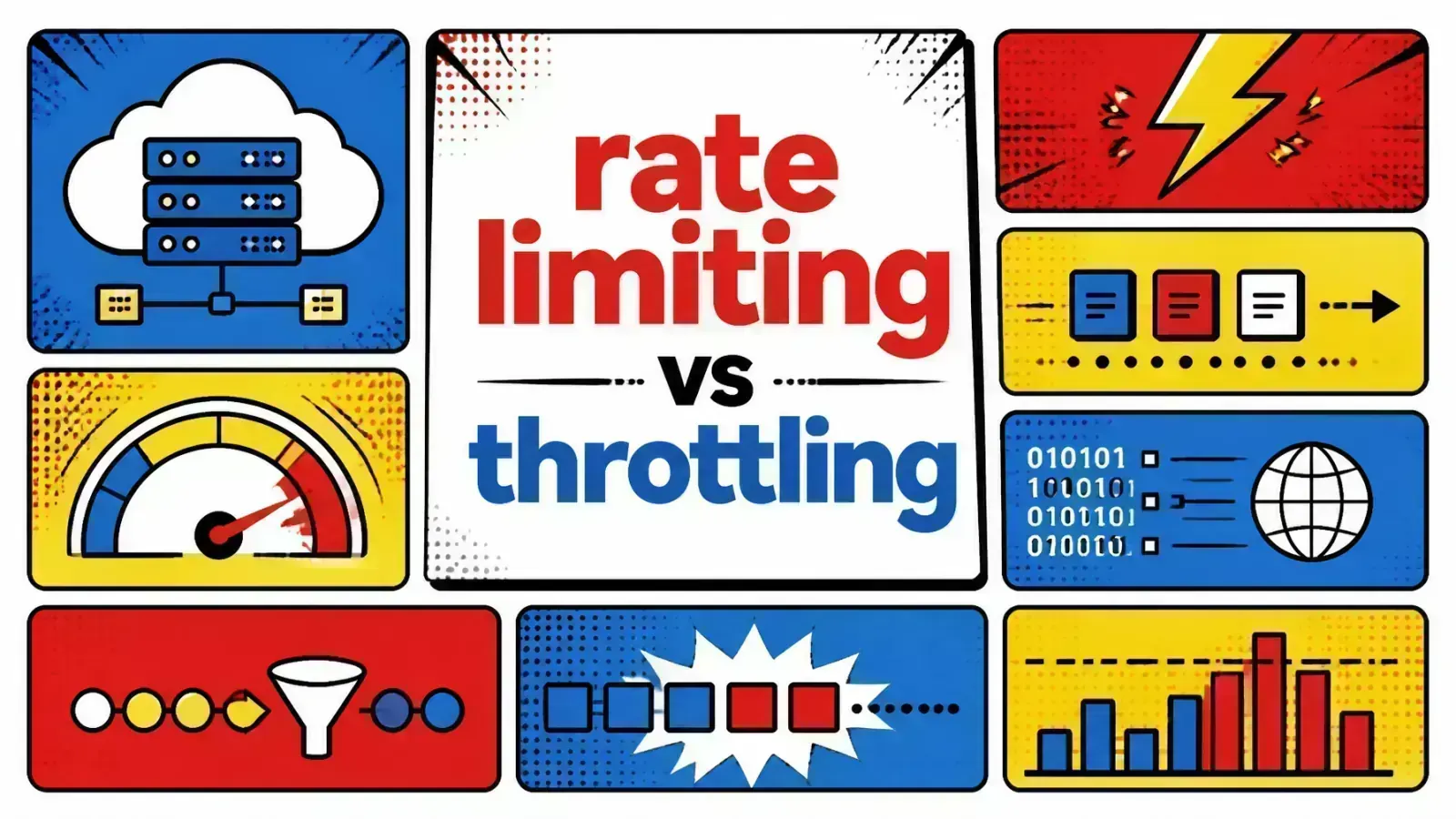
Rate limiting vs throttling
The engineering difference between rate limiting and throttling, and how each secures your APIs and keeps infrastructure stable under heavy load.
Read post →
-
 Architecture
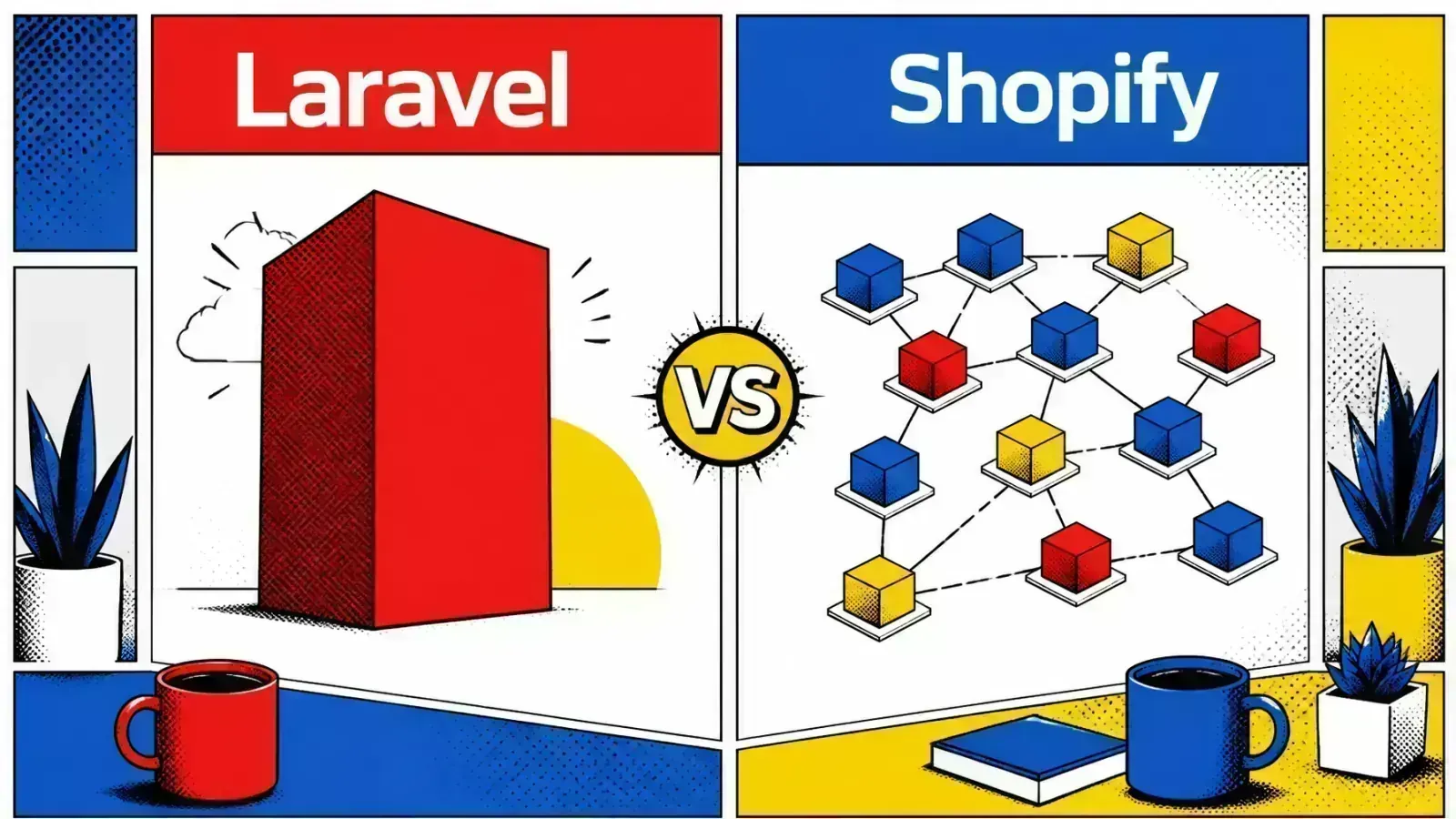
Monolith vs microservices: how to choose
Monolith vs microservices: the real technical trade-offs for Laravel and Shopify teams, when each pays off, and why a modular monolith often wins.
Read post →
-
 AI
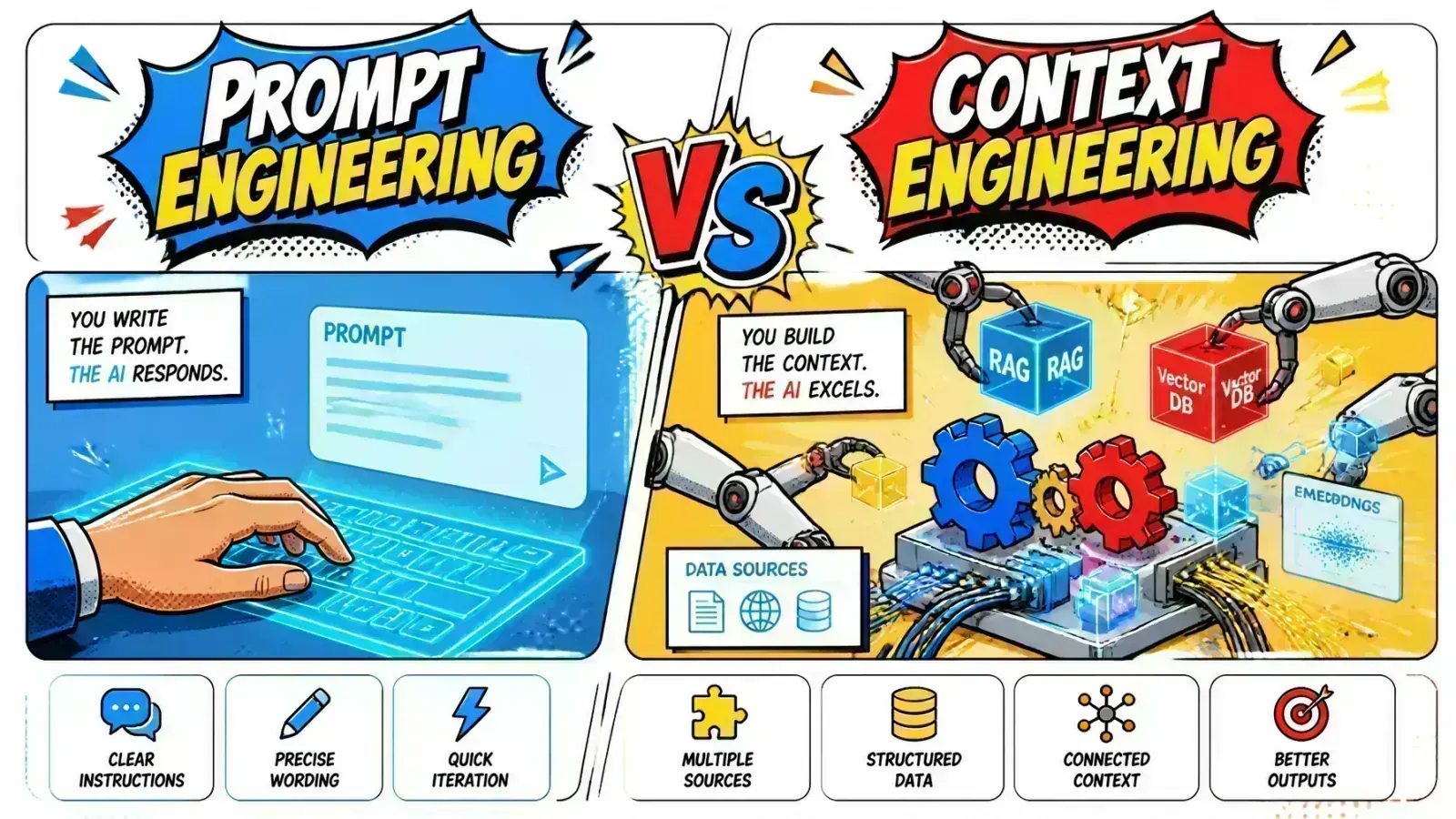
AIPrompt engineering vs context engineering
The shift from instruction design to data infrastructure: how context engineering uses RAG, MCP and memory to build accurate AI systems.
Read post →
-
 Architecture
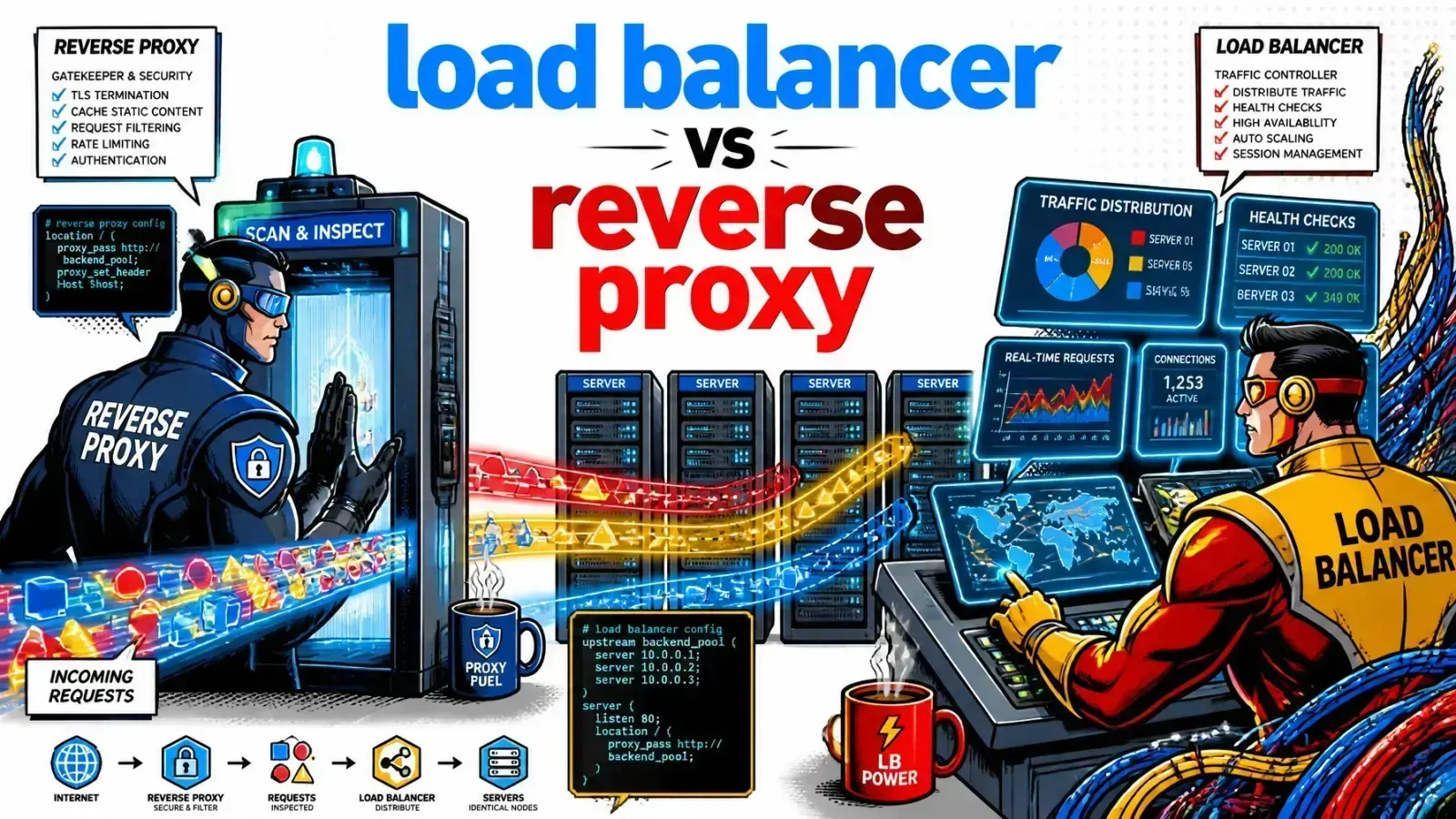
Load balancer vs reverse proxy: scale vs security
Reverse proxies handle SSL, caching, and security; load balancers handle scale and availability. The differences, and how to layer both in a Laravel stack.
Read post →
-
 DevOps
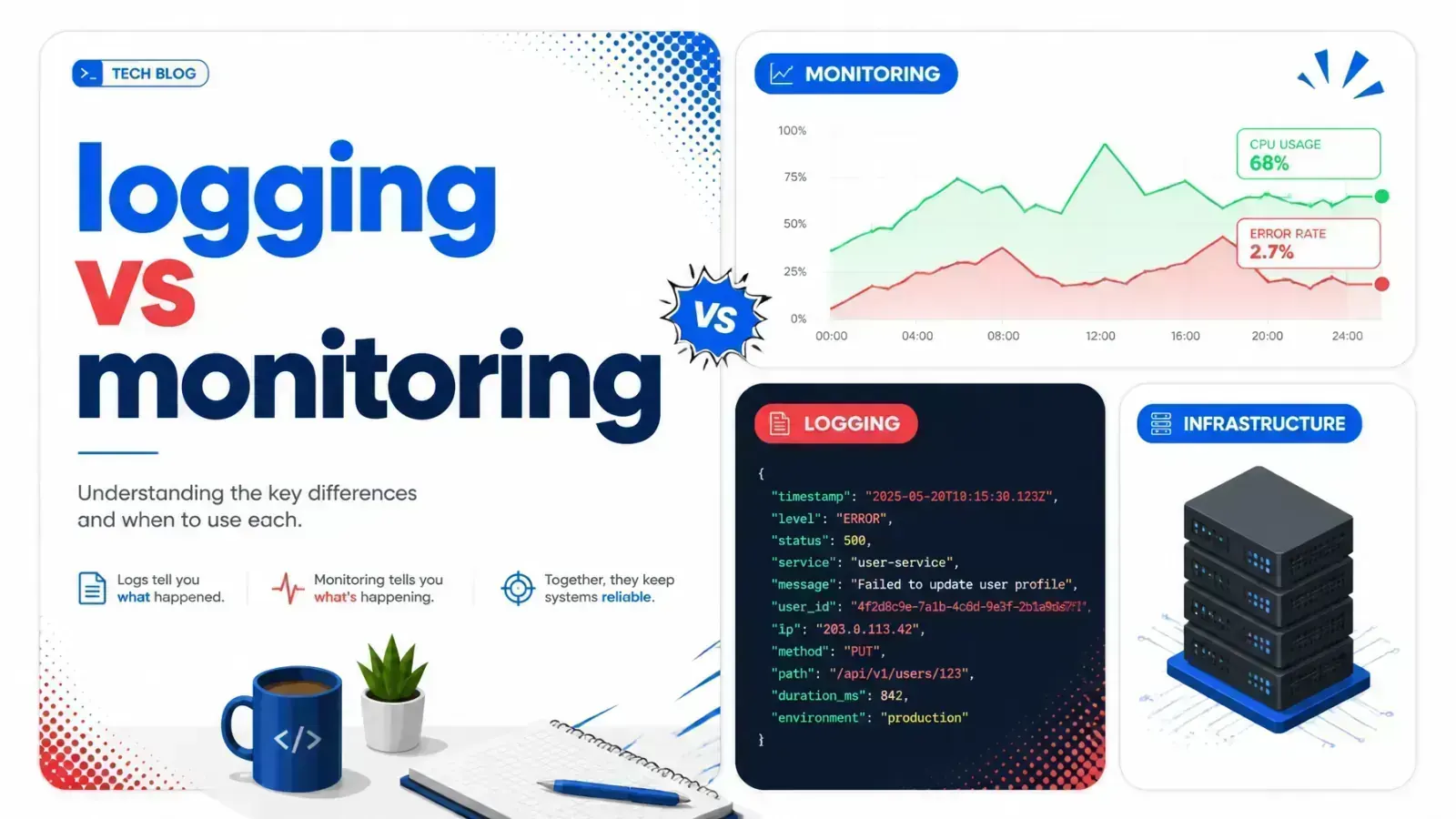
Logging vs monitoring: a guide for scaling
Monitoring tells you a system is unhealthy; logging tells you why. How to combine metrics, structured logs, and correlation IDs for fast debugging.
Read post →
-
 Architecture
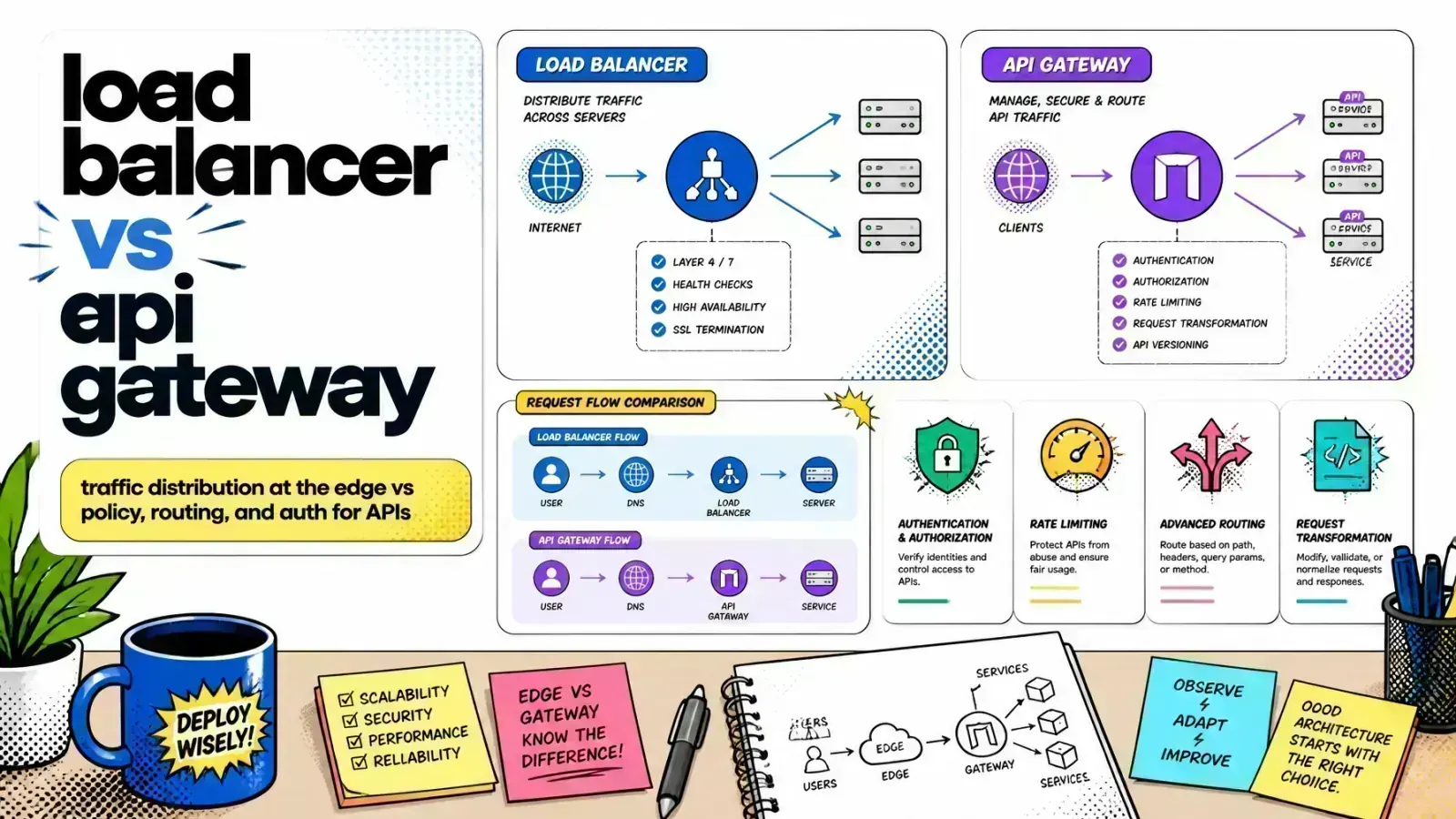
Load balancer vs API gateway
Load balancers distribute traffic; API gateways enforce policy. The real differences, when to use each, and how to layer both in a production stack.
Read post →
-
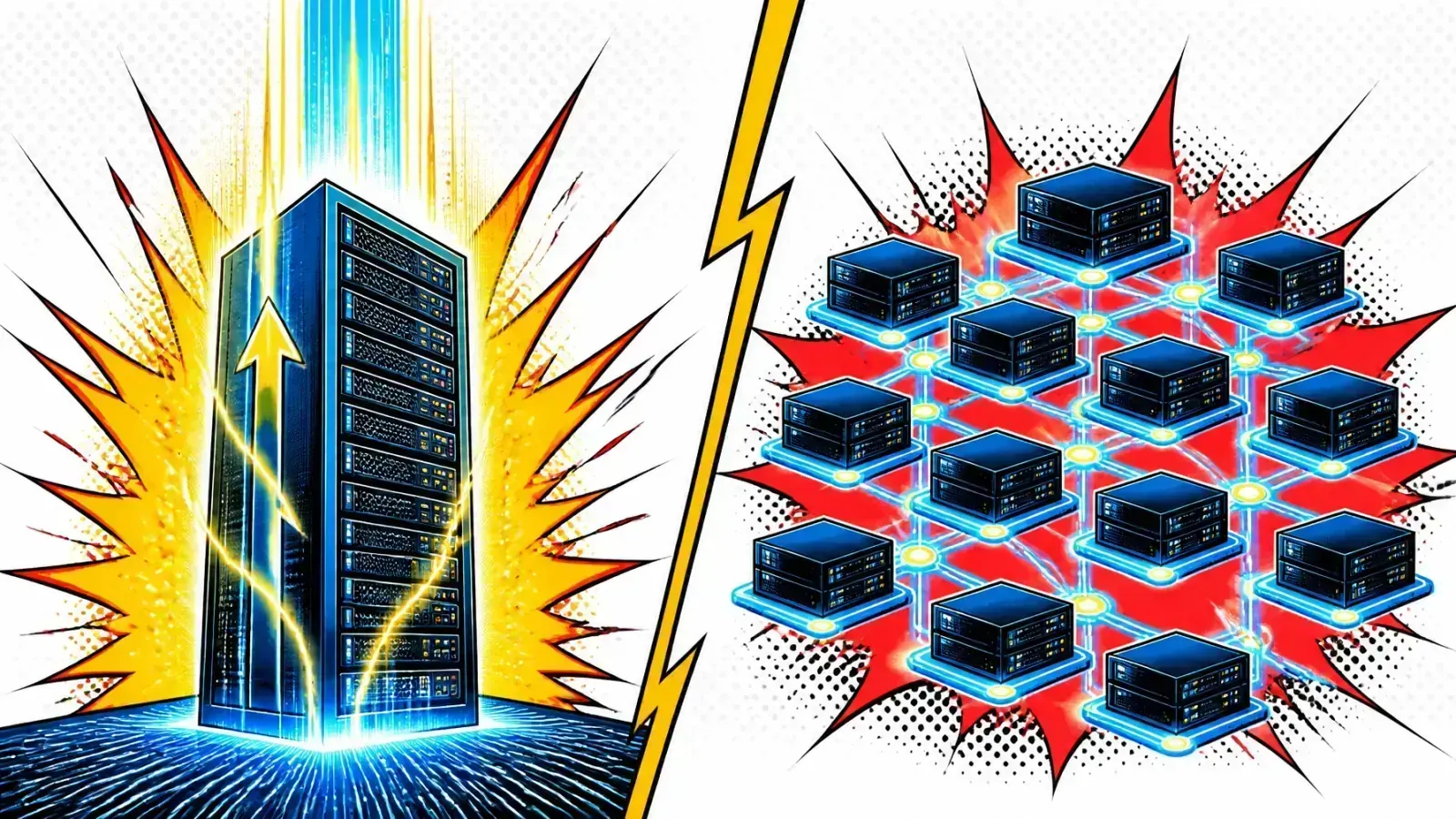 Architecture
Horizontal vs vertical scaling
Learn the key differences between horizontal and vertical scaling. Discover the right architectural strategy for scaling your web application effectively.
Read post →
-
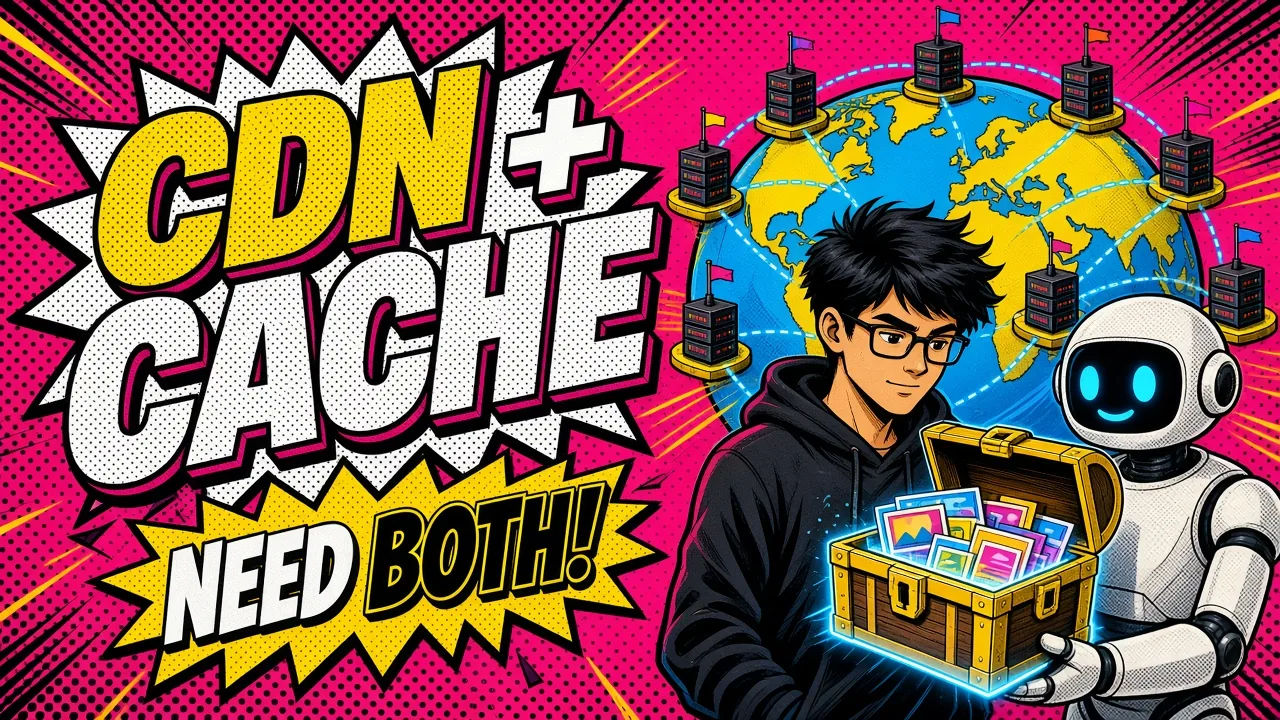 DevOps
CDN vs cache: why your high-traffic site needs both
CDN and cache solve different problems: distance vs repeated work. How to layer edge delivery and server-side caching for high-traffic sites.
Read post →
-
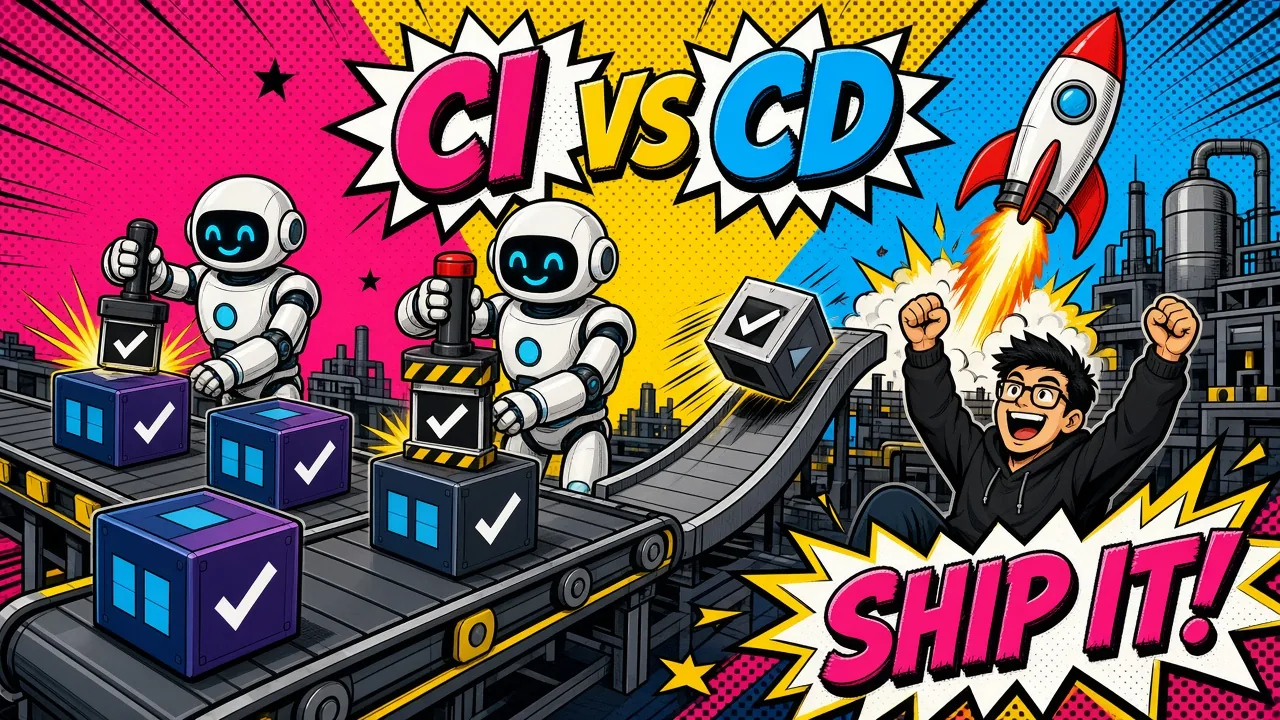 DevOps
CI vs CD: automating quality and delivery
Continuous Integration vs Continuous Delivery explained. How to automate the path from commit to production for Laravel backends and Shopify storefronts.
Read post →
-
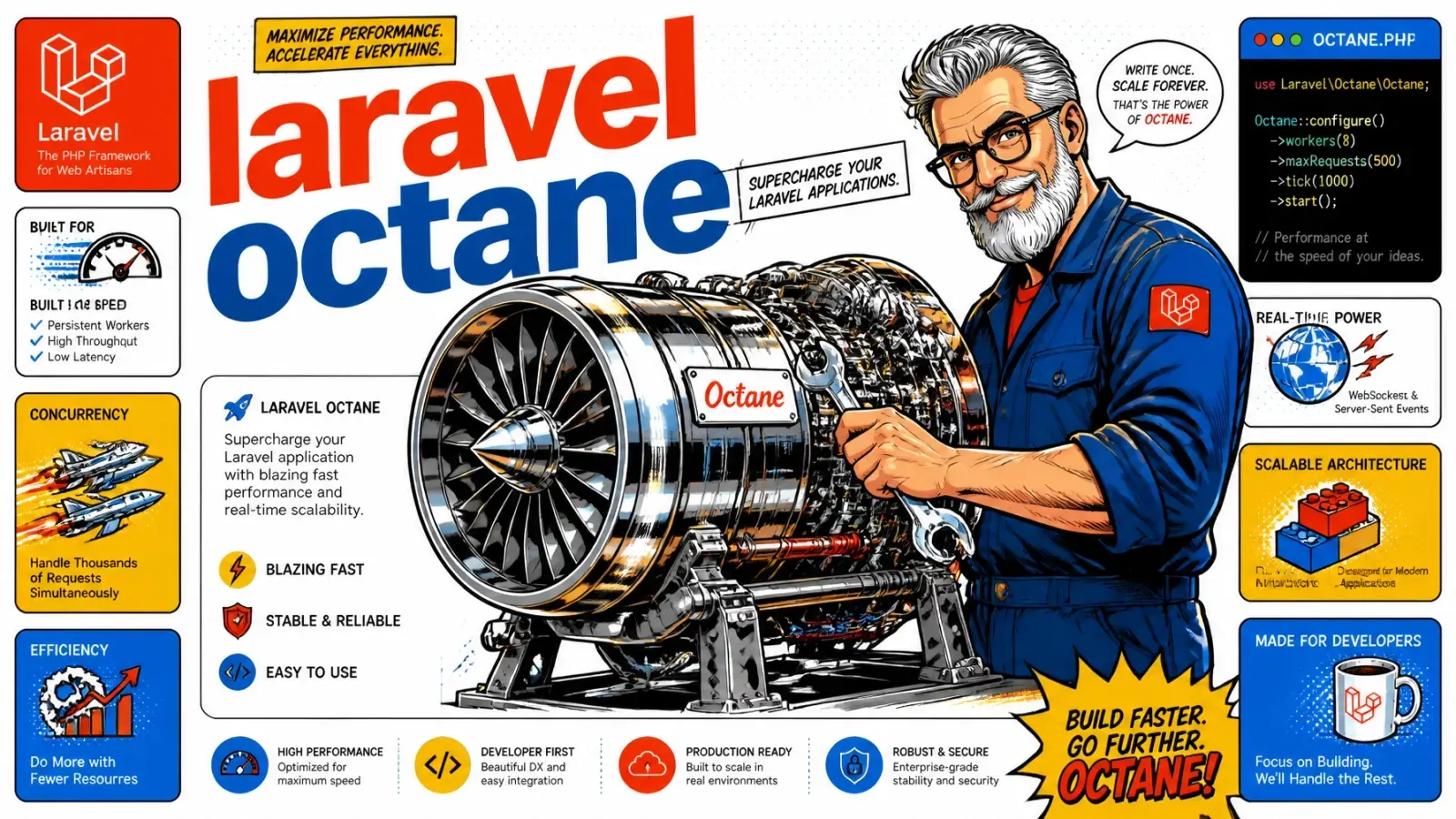 Laravel
Laravel Octane for high-traffic PHP apps
Laravel Octane boots your app once and keeps it warm in memory, feeding requests through a worker pool. How to cut boot overhead and scale to high traffic.
Read post →
-
 Architecture
Circuit breakers: stopping vector DB failures
A slow vector DB kills SaaS faster than a dead one. The circuit-breaker pattern for AI infra: states, fallback tiers, and Laravel-friendly wiring.
Read post →
-
 Architecture
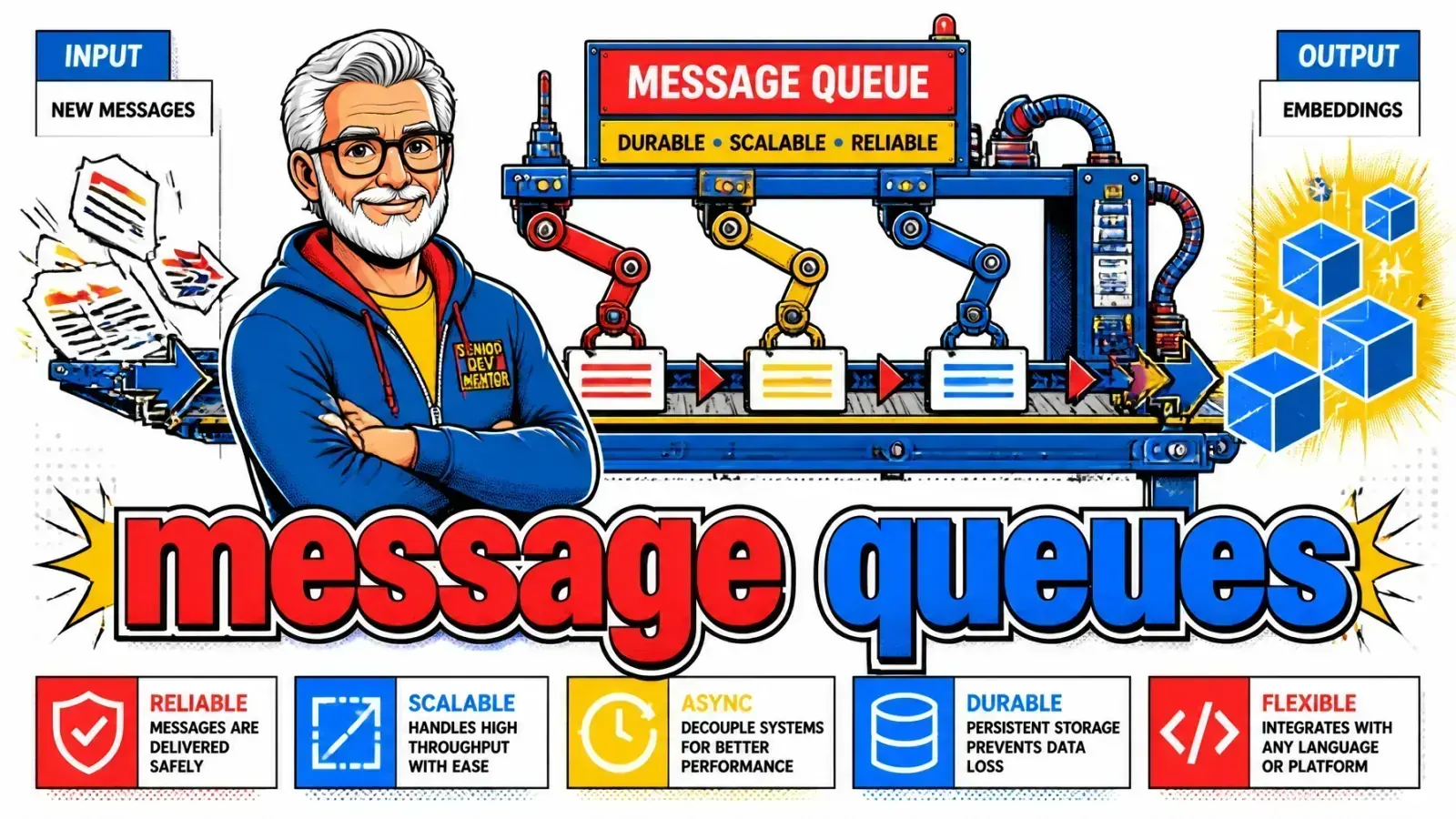
Message queues for heavy-duty document processing
Stop running embeddings in the request cycle. Build a document pipeline on message queues with staged workers, retries, dead-letter queues, and autoscaling.
Read post →
-
 Architecture
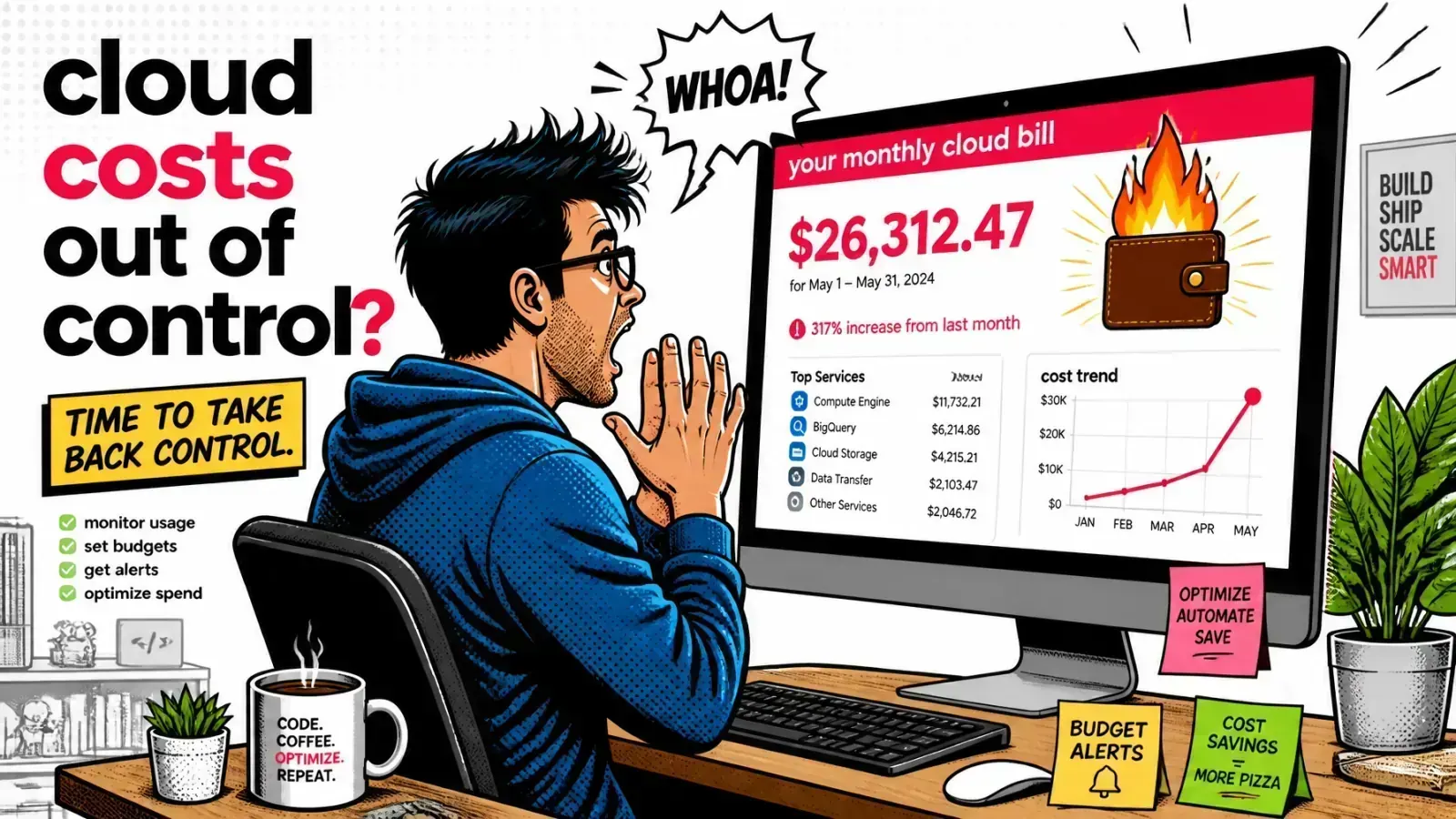
Rate limiting: protecting your AI wallet
One runaway agent loop can mean a $5,000 LLM bill. Why request-per-second limits lie, and how hierarchical token-bucket limits protect your margins.
Read post →
-
 Architecture
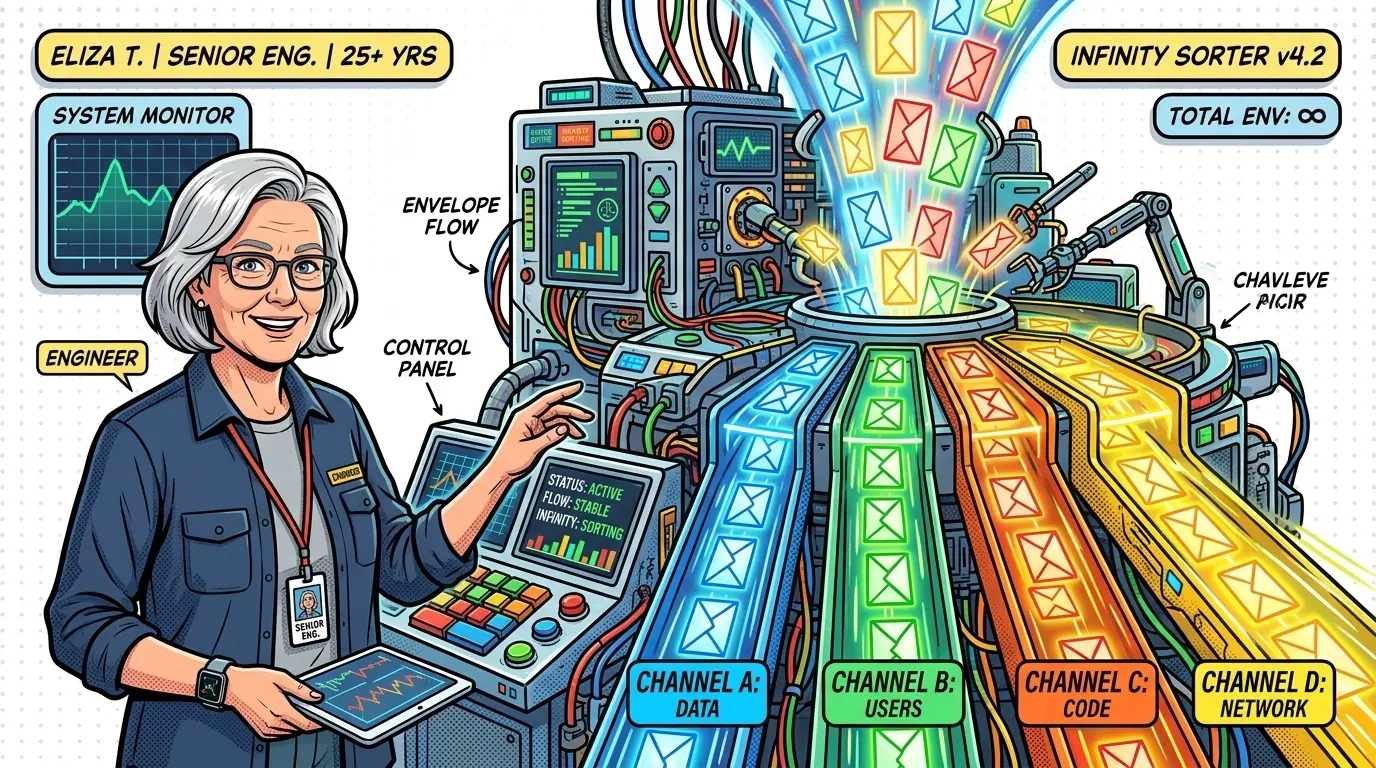
Scaling with RabbitMQ: why message brokers matter
Synchronous controllers are how monoliths die. RabbitMQ exchanges and queues, a one-task-at-a-time path to async, and idempotent Laravel workers.
Read post →
-
 Architecture
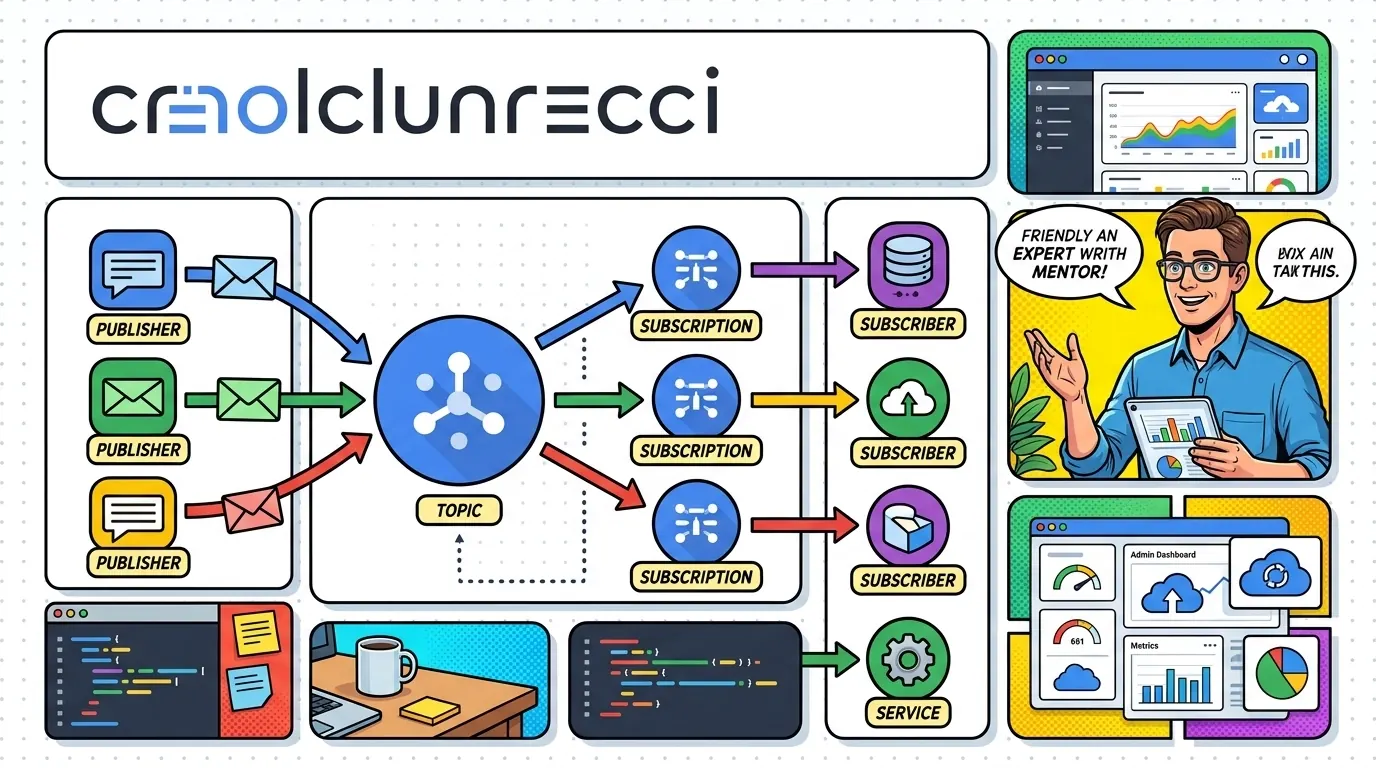
Event-driven architecture with Google Pub/Sub
Decouple your services or drown in latency. Topics, fan-out, push vs pull, dead-letter queues, and idempotent consumers in a Laravel Pub/Sub blueprint.
Read post →
-
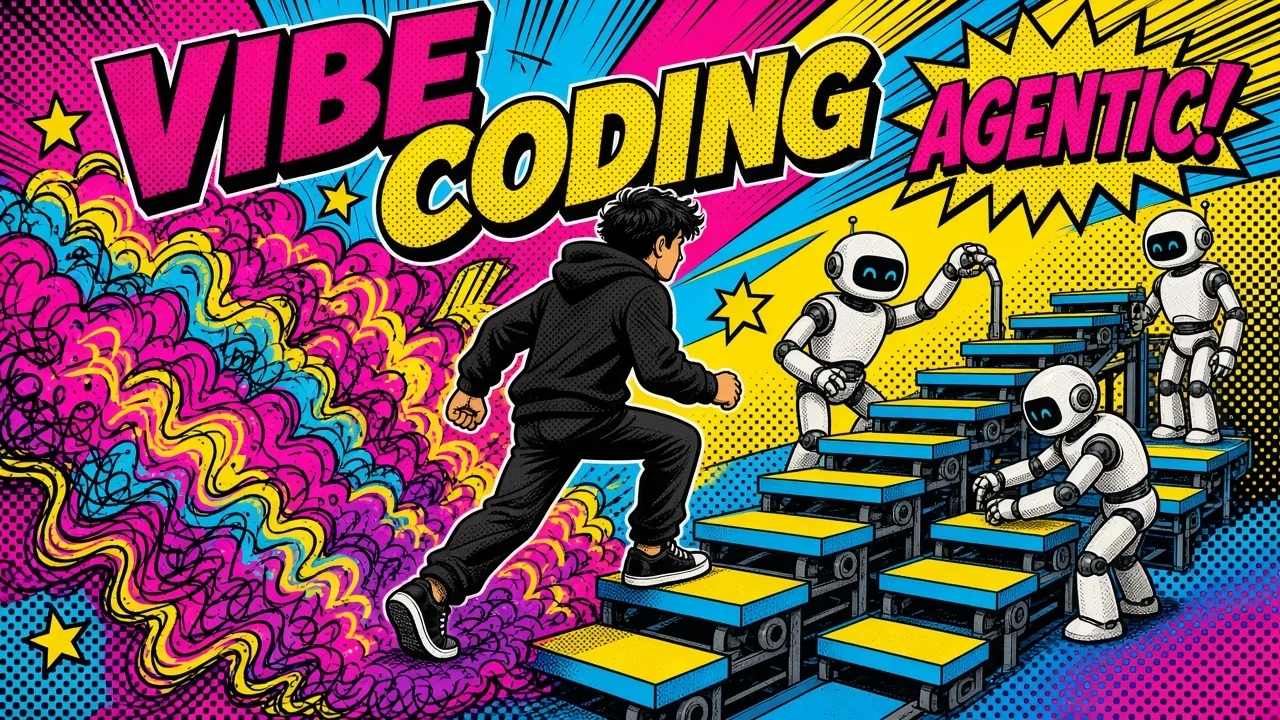 Architecture
Vibe coding: the shift to agentic workflows
MCP, agentic loops, and intent-based engineering. How vibe coding becomes a real architecture pattern, plus the Laravel and MCP stack I run today.
Read post →
-
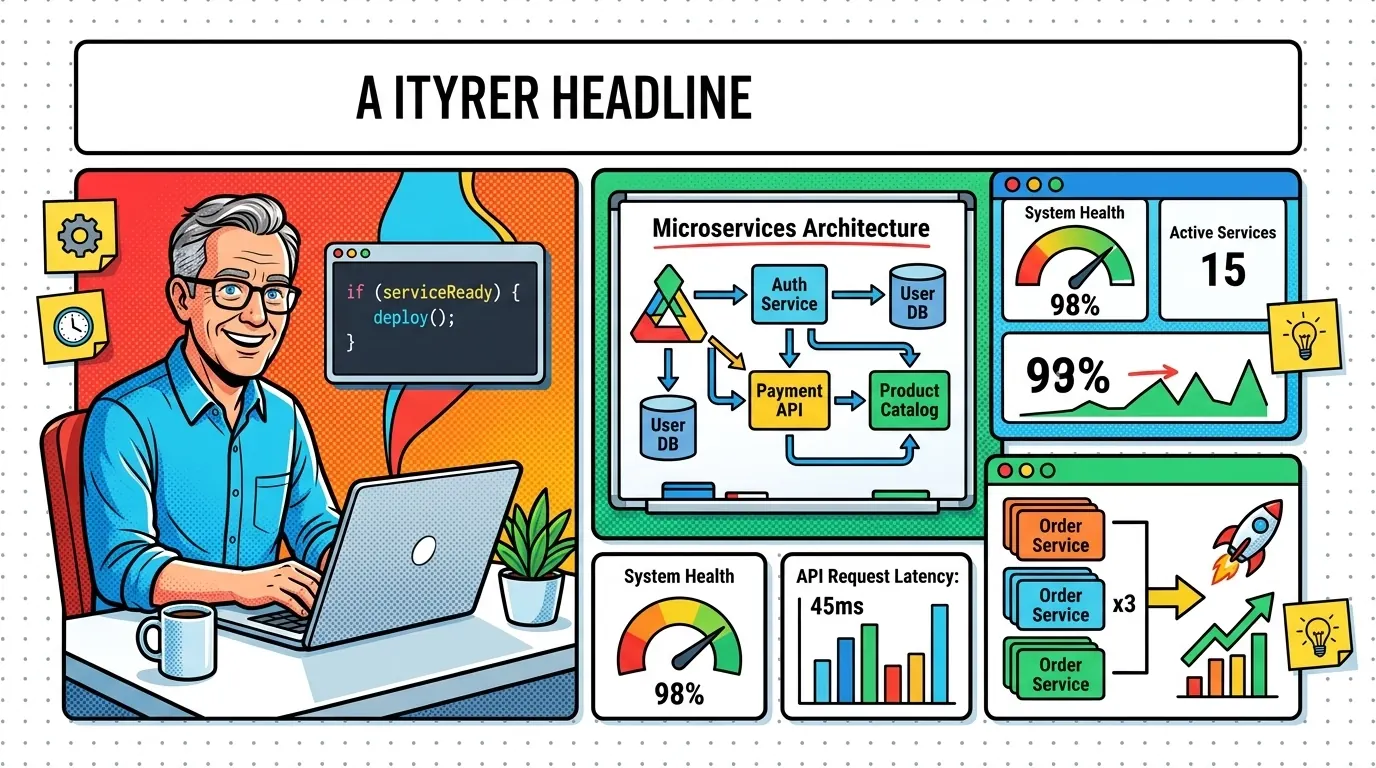 Architecture
Monolith to microservices: a pragmatic guide
Skip the big-bang rewrite. The strangler fig pattern, anti-corruption layers, and Docker-first steps to move from monolith to microservices safely.
Read post →
-
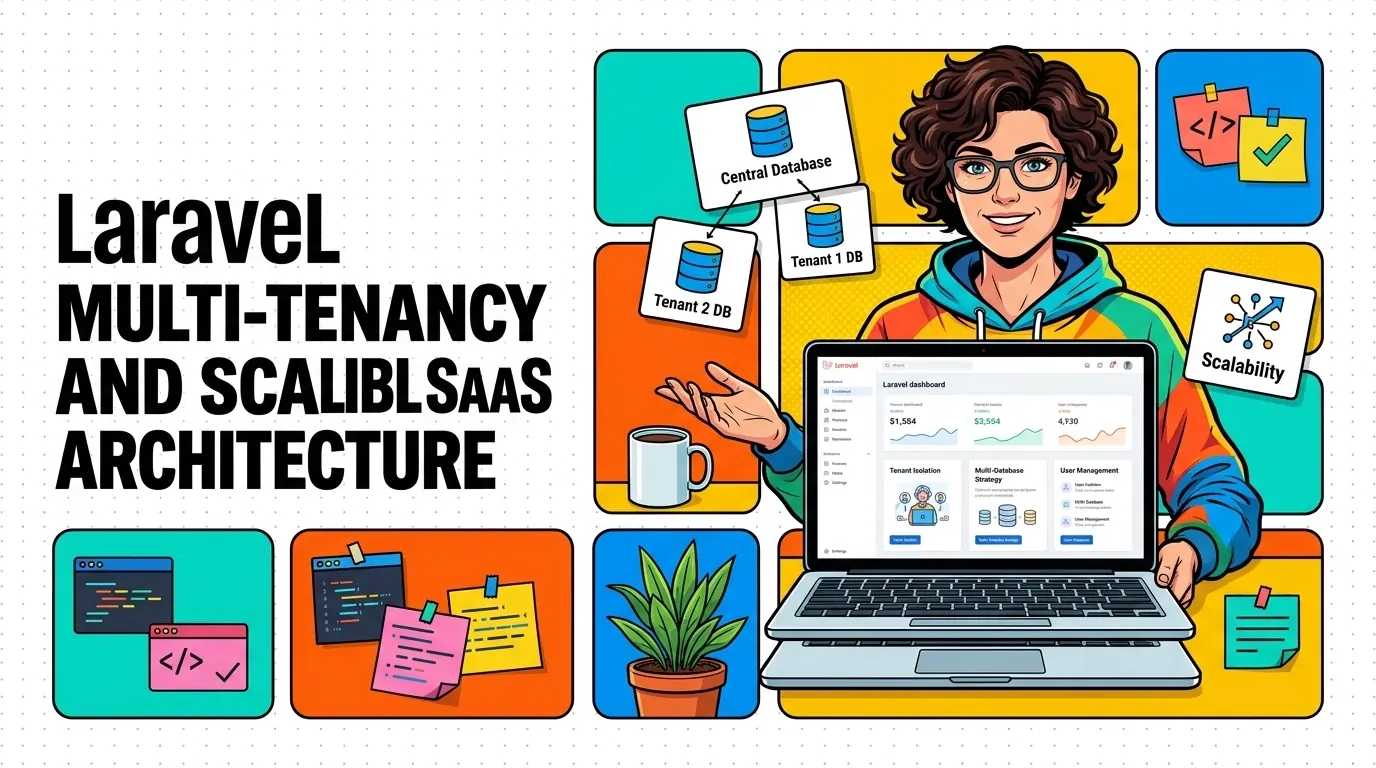 Laravel
Laravel multi-tenancy: a scalable SaaS architecture
Single DB vs multi-DB, global scopes that stop data leaks, stancl/tenancy in production, isolated storage, automated migrations, and a Docker plus Cloud setup.
Read post →
-
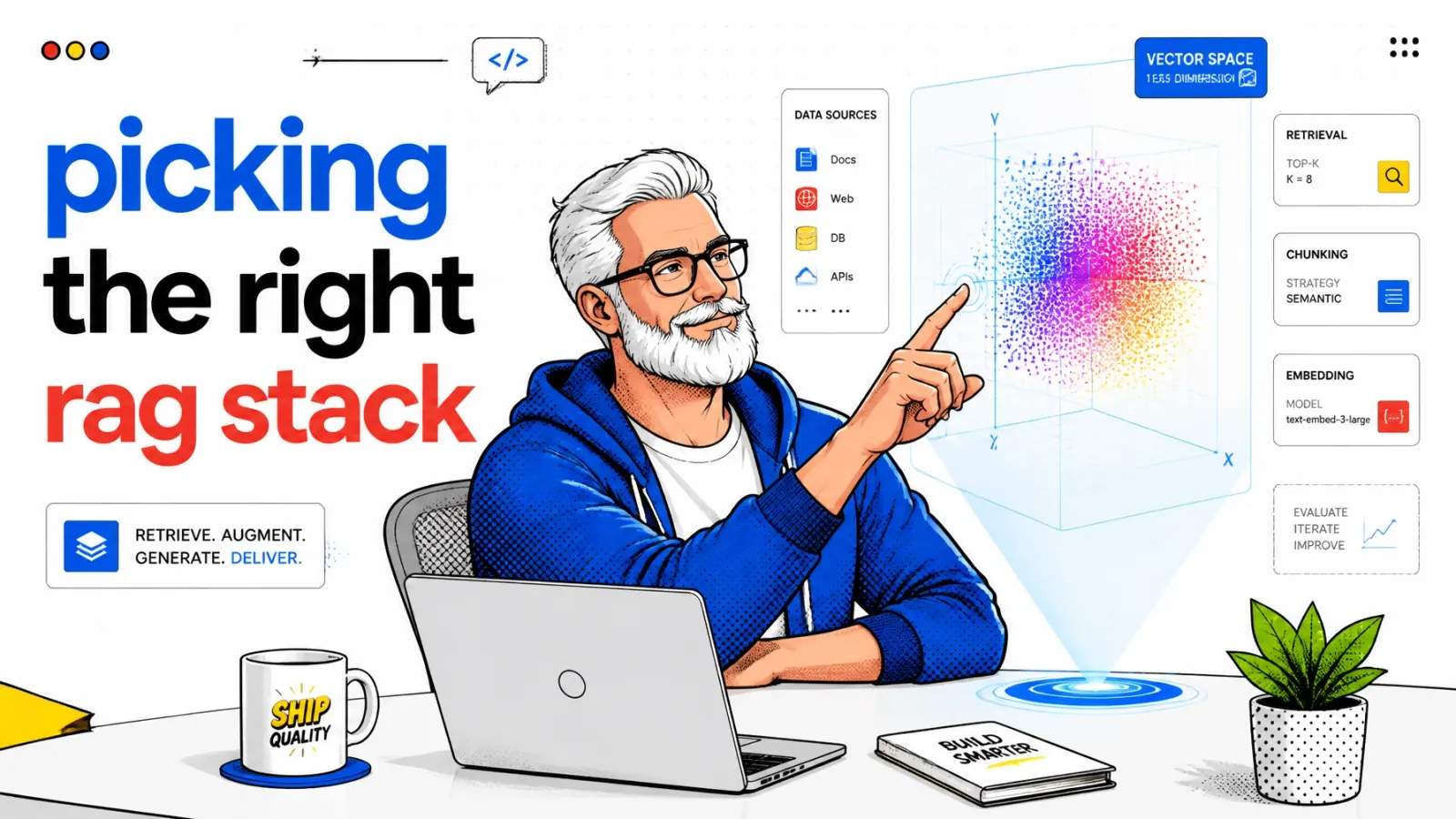 AI
AIPicking the right RAG stack: vector databases for AI
pgvector, Pinecone, Weaviate, Qdrant: a 2026 field guide to picking the right vector store for your AI app, with hybrid search and scaling tips.
Read post →
-
 AI
AIVibe coding: why projects need more than logic
Taste, intent and feel matter more in the Cursor and Claude era, and here is how to keep the codebase from becoming a ball of mud while you vibe.
Read post →
-
 Career
Hello, world. Yes, another developer blog.
Why this developer blog exists, what I'll write about (Laravel, AI, Shopify) and why every code sample here is meant to run in production.
Read post →